Comprehensive Guide to Engaging Puzzle Apps that Enrich Tablet Play for Pets
Which Types of Puzzle Games Are Available for Pet Owners to Explore and Utilise?

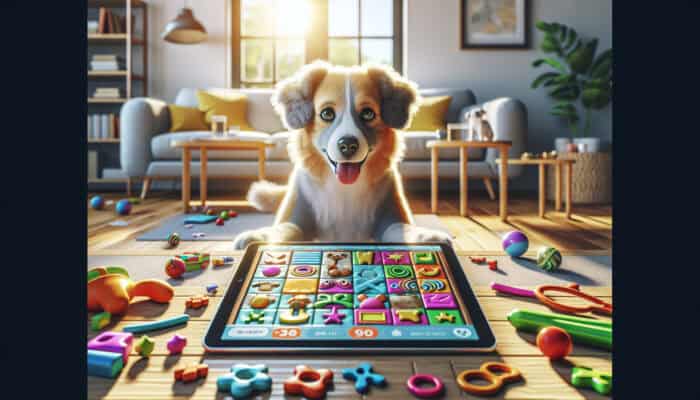
Puzzle apps designed for tablet play with pets offer a vibrant and diverse selection of engaging games that stimulate their cognitive abilities and provide mental challenges. These applications present various formats, such as matching games, word puzzles, and intricate mazes, specifically tailored for pets. For example, matching games encourage dogs and cats to identify pairs of images or objects, thereby enhancing their memory and recognition skills. Moreover, maze challenges present pets with intricate pathways to navigate, fostering their problem-solving abilities and promoting cognitive development.
Additionally, applications like “Pet Connect” and “Cat Games” offer interactions tailored for pets, encouraging them to tap or swipe to uncover treats or toys. This functionality not only motivates pets to engage physically but also keeps their minds alert. The ever-evolving nature of these games ensures that pets encounter increasingly complex challenges, guaranteeing that every gameplay session transforms into a unique adventure. For instance, dogs might enthusiastically navigate through mazes, while cats might delight in the thrill of catching virtual mice, showcasing how tailored experiences significantly boost pet engagement.
Essential Characteristics That Make Puzzle Apps Effective for Pet Engagement
High-quality puzzle apps for pets incorporate key characteristics that greatly enhance usability and sustain engagement levels. An intuitive interface is paramount; it allows pet owners to navigate the app effortlessly, ensuring that the focus remains on enjoyable interaction rather than technical difficulties. Another vital element is a rewarding system that recognises achievements, whether through virtual rewards or visual cues when pets successfully complete tasks.
Key features that contribute to optimal pet engagement include:
- User-friendly design: Simple navigation for pet owners that enriches usability.
- Interactive gameplay: Touch-responsive elements that react to pet interactions, boosting overall engagement.
- Reward mechanisms: Systems that reward pets for solving puzzles, reinforcing positive behaviour.
- Customisation options: Adjustable settings tailored to different pet types and skill levels, facilitating personalised experiences.
- Progress tracking: Metrics that help owners monitor their pet’s development over time, providing insights into improvement.
- Visual and audio stimuli: Engaging graphics and sounds that capture pets’ attention and amplify their experience.
- Diverse puzzle types: A variety of games designed to cater to different interests and preferences, ensuring sustained engagement.
These characteristics not only enrich the experience for pet owners but also ensure that pets remain actively engaged throughout their playtime, fostering a productive and enjoyable environment.
What Advantages Do Puzzle Apps Offer for Pets and Their Owners?
Integrating puzzle apps into pets’ playtime provides significant advantages for both animals and their human companions. For pets, these applications help strengthen the bond between them and their owners through collaborative play, allowing owners to participate actively and assist their pets in overcoming challenges. This interaction nurtures a sense of companionship and enhances the overall play experience, making it more enjoyable and rewarding for both pets and their owners.
Furthermore, puzzle apps promote mental engagement, which is essential for a pet’s cognitive health. Engaging in stimulating activities helps alleviate boredom, a common issue that can lead to destructive behaviour in pets. Owners will discover that incorporating these apps into their pets’ daily routines not only boosts their companions’ mood but also positively influences their behaviour, creating a more harmonious living environment. Moreover, utilising these apps can facilitate training through positive reinforcement, helping pets associate task completion with rewards and encouraging desirable behaviours.
Regularly using such applications can transform playtime into meaningful sessions that benefit both pets and their owners. As pets become more adept at solving puzzles, their confidence levels rise, further strengthening the bond between pet and owner. This harmonious interaction can lead to improved behaviour and overall happiness for both pets and their human companions.
How Do Puzzle Apps Revolutionise and Enhance Pet Play Experiences?
What Characteristics Make Puzzle Apps Engaging and Enjoyable for Pets?
The interactivity of puzzle apps plays a crucial role in motivating pets to actively participate in gameplay. Touch responsiveness is a significant factor; pets are more inclined to engage with apps that respond to their touch. The tactile feedback provided when a pet interacts with the screen, such as the appearance of a treat or a sound effect playing, reinforces their interest and encourages them to continue playing.
Integrating these apps into daily routines can be both seamless and enjoyable. For example, pet owners can designate specific times for app play during walks or after meals. Starting with shorter sessions and gradually extending the duration as pets become more engaged can significantly enhance interaction. Here are actionable strategies for incorporating apps into daily routines:
- Schedule play sessions: Set specific times each day for app interaction to cultivate a routine that pets can anticipate.
- Utilise rewarding systems: Implement tangible rewards for app engagement to motivate participation and enhance the experience.
- Emphasise variety: Rotate through different apps to maintain interest and excitement, ensuring pets remain stimulated.
- Monitor progress: Track pet performance to celebrate milestones and achievements, fostering a sense of accomplishment.
By incorporating the app as a regular component of their daily routine, owners can strengthen their bond with their pets and keep them mentally stimulated, ultimately leading to a happier, healthier lifestyle for both parties.
What Common Features Are Typically Found in Popular Puzzle Apps for Pets?
Popular puzzle apps for pets generally incorporate exciting features that enhance the overall gaming experience. Common tools, such as timers, create a sense of urgency, motivating pets to engage more actively while allowing owners to monitor how quickly their pets complete tasks. Difficulty levels represent another essential feature; they introduce new challenges as pets progress, preventing monotony and ensuring sustained engagement.
Many apps also include leaderboards or competitive elements, enabling owners to compare their pets’ performance with others. This fosters a sense of community among pet owners, allowing them to share experiences and tips. The excitement generated by these features helps users select apps that best meet their pets’ needs. The following features can aid in the selection process:
- Difficulty levels: Adjustable settings to accommodate varying skill levels, ensuring that every pet can engage at their own pace.
- Timer functions: Encouraging pets to complete tasks within a designated timeframe, adding an extra layer of challenge.
- Social sharing: Options to share achievements with other pet owners, building community bonds and encouraging friendly competition.
- Progress tracking: Metrics that demonstrate skill development over time, helping owners gauge improvements.
These features ensure that apps remain engaging and relevant, fostering a deeper connection between pets and their owners through shared experiences and achievements.
How Can Owners Effectively Measure Success in App Usage?

Tracking success in pet app usage serves as a valuable tool for understanding how effectively these resources enhance play and cognitive development. Various metrics can be employed to evaluate a pet’s engagement and progress, enabling owners to adjust their approach as needed. For instance, monitoring the number of completed puzzles, the time spent on each task, and the frequency of interaction can yield insights into a pet’s learning trajectory.
Evaluating these metrics enables pet owners to determine effective strategies for different scenarios. For example, if a dog consistently struggles with specific puzzles, it may indicate a need for simpler tasks or additional rewards to boost motivation. Conversely, if a cat swiftly completes puzzles, it might be time to introduce more challenging options. Owners can employ the following methods to measure success:
- Completion rates: Monitor how often pets finish puzzles to gauge engagement levels and adjust difficulty accordingly.
- Time on tasks: Assess how long it takes pets to complete challenges to identify areas of improvement and tailor experiences.
- Interaction frequency: Note how often pets engage with the app to evaluate interest and adapt routines to keep them stimulated.
- Behaviour changes: Observe shifts in behaviour related to app usage to assess effectiveness and overall well-being.
Through consistent tracking, owners can refine their strategies to ensure that playtime remains both enjoyable and beneficial, ultimately enhancing the bond they share with their pets.
How Can Apps Be Customised for Distinct Types of Pets?
Customising puzzle apps to support a range of pet types is essential for maximising engagement and effectiveness. Different animals exhibit unique preferences and capabilities, so tailoring the experience can significantly impact their interaction levels. For instance, dogs may enjoy puzzles that require them to use their noses to uncover hidden rewards, while cats might prefer games that involve quick reflexes to catch moving objects.
To personalise the experience, pet owners can adjust settings such as difficulty levels, puzzle types, and reward systems based on their pet’s characteristics. For instance, a larger dog might benefit from puzzles that involve more physical interaction, while a smaller breed could prefer less demanding tasks. Here are the steps to personalise the experience:
- Assess skill levels: Understand your pet’s current abilities to select suitable puzzles that match their capabilities.
- Adjust difficulty: As pets improve, gradually increase puzzle complexity to maintain engagement and challenge them appropriately.
- Incorporate rewards: Use treats or praise to encourage participation and reinforce positive behaviour, making the experience more enjoyable.
- Mix puzzle types: Rotate between different styles to keep things fresh and interesting, catering to varied interests.
By tailoring apps to the diverse needs of different pets, owners can ensure that each animal benefits maximally from playtime, resulting in greater engagement and enjoyment.
Expert Insights on Puzzle Apps for Tablet Pet Play
What Advanced Strategies Are Recommended for Selecting the Best Apps?
Choosing the right puzzle app for pets necessitates a nuanced understanding of individual behaviours and preferences. Experts recommend analysing pets’ play styles to identify setups that will maximise interaction. For instance, naturally curious dogs may benefit from apps that emphasise exploration and discovery, while more laid-back cats might prefer relaxing games that involve fewer physical demands.
Owners can take actionable steps to enhance app selection by conducting thorough assessments of their pets. Observing how pets respond to stimuli such as visual cues and sound effects can help owners choose apps that resonate with their pets’ interests. Strategies for effective app selection include:
- Behavioural analysis: Observe how your pet interacts with various types of stimuli to understand their preferences and tailor experiences accordingly.
- Trial and error: Experiment with different apps until you find a suitable match that engages your pet and keeps their interest alive.
- Community feedback: Engage with other pet owners to glean insights on effective apps and share experiences, enhancing the selection process.
- Stay updated: Keep abreast of new app releases and reviews to ensure you select the best options available for your pet.
By adopting these strategies, pet owners can ensure that they select apps that not only captivate their pets but also align with their unique personalities, fostering a deeper bond through shared activities.
How Can Puzzle Apps Be Effectively Integrated into Daily Routines?
Integrating puzzle apps into daily pet care routines requires thoughtful planning and consistency. Real-world examples demonstrate the effectiveness of blending apps with traditional pet care practices. For instance, some pet owners establish a routine that includes app play after exercise or mealtime, creating a natural flow that pets can anticipate.
Best practices from industry perspectives recommend using app play as both a training tool and a bonding activity. Engaging pets with puzzles while encouraging their participation can enhance their learning and strengthen the owner-pet relationship. Here are practical tips for seamless adoption:
- Set a schedule: Designate specific times for app interaction and stick to them to create a habit that pets can rely on.
- Combine activities: Integrate app play with walks or other routines to make it more enjoyable and less monotonous for pets.
- Use positive reinforcement: Reward pets for completing puzzles to reinforce engagement and motivate continued participation.
- Track progress: Monitor development to adjust routines as needed and celebrate achievements, fostering motivation.
By incorporating these practices, pet owners can create a consistent and engaging environment for their pets, ultimately leading to a more fulfilling and enjoyable experience for both parties.
What Are the Long-Term Effects of Using Puzzle Apps on Pet Development?
The consistent use of puzzle apps can significantly impact a pet’s cognitive and overall development. Experts emphasise that regular mental challenges enhance problem-solving skills and can lead to long-lasting behavioural improvements. Engaging pets in stimulating activities fosters curiosity and encourages exploration, which is essential for their overall growth.
Maintaining engagement over time is crucial for maximising these benefits. By regularly rotating puzzle types and introducing new challenges, owners can keep their pets engaged and eager to play. Practical advice includes:
- Introduce variety: Regularly update the puzzles to keep pets engaged and motivated, preventing boredom.
- Monitor behaviour: Observe changes in behaviour to assess growth and adapt strategies accordingly to ensure continued development.
- Encourage exploration: Allow pets to navigate and select puzzles to foster independence and creativity during play.
- Celebrate milestones: Acknowledge achievements to reinforce positive behaviour and encourage continued participation in puzzle-solving activities.
By maintaining an ongoing relationship with puzzle apps, owners can support their pets’ cognitive and emotional growth, resulting in happier, healthier companions.
What Key Features Contribute to Engaging Puzzle Apps for Pets?
How Do Visuals and Sounds Capture Pets’ Attention in Apps?
Visual elements and sound effects are critical to attracting pets to puzzle apps, significantly enhancing overall engagement. Research indicates that pets are drawn to vibrant colours, animated graphics, and enticing audio cues. These components not only capture their attention but also stimulate them mentally and physically, creating a more enriching experience.
The interplay between visuals and sounds can drastically alter how pets interact with an app. For example, apps featuring bright colours and entertaining soundtracks may hold a dog’s attention longer than those with bland designs. Additionally, incorporating sound effects that mimic real-life situations—like squeaky toys or rustling leaves—can enhance the playful atmosphere. Here are ways visuals and sounds impact engagement:
- Bright colours: The use of vivid hues that catch pets’ attention and stimulate interest, encouraging interaction.
- Dynamic animations: Engaging movements that pique curiosity and encourage interaction, keeping pets focused.
- Sound effects: Realistic or playful sounds that maintain interest and engagement, enhancing the overall experience.
- Visual rewards: Graphics that celebrate achievements, encouraging continued play and interaction.
By effectively combining these elements, developers can create apps that captivate pets and encourage prolonged interaction, leading to better cognitive outcomes and enjoyable experiences.
What Customisation Options Enhance Puzzle Apps for Pets?
Customisation options in puzzle apps allow pet owners to tailor the experience according to their pets’ specific needs and preferences. These adjustable settings can significantly boost engagement by providing a personalised touch that caters to individual play styles. For instance, difficulty levels can be adjusted to suit different animals’ skills, ensuring they are challenged without becoming frustrated.
Moreover, customisation can extend to visuals and sounds, allowing owners to select themes or audio that resonate with their pets. This level of personalisation fosters a deeper connection between the app and the pet. Here are some customisable features that enhance the experience:
- Variable difficulty levels: Options to adjust the complexity of puzzles to match pet abilities, ensuring a suitable challenge for every animal.
- Selectable themes: Choices of graphics that appeal to different pets and enhance engagement through familiar visuals.
- Sound customisation: Adjust volume levels or select preferred soundtracks to suit pets’ preferences, personalising their experience.
- Personalised rewards: Options to provide specific treats or praise for accomplishments, reinforcing positive behaviour and encouraging engagement.
Encouraging customisation fosters a more engaging environment that aligns with each pet’s unique characteristics, ultimately leading to a rewarding play experience that keeps them returning for more.
How Does User Feedback Influence Puzzle App Design?
User feedback plays a crucial role in shaping the design and functionality of pet puzzle apps. Common praises often focus on intuitiveness, ease of navigation, and the level of engagement these apps provide. Pet owners frequently appreciate apps that include comprehensive tutorials, enabling them to grasp the mechanics and use them effectively quickly. Users often suggest improvements to enhance interactivity and customisation, highlighting design strengths that developers should consider when creating apps. Some strengths noted by users include:
- Intuitive layout: Easy navigation that enhances the overall user experience, making it accessible for all pet owners.
- Engagement levels: High levels of pet involvement during gameplay that keep them entertained and mentally stimulated.
- Reward systems: Effective methods that motivate pets to complete puzzles and encourage continued play, reinforcing positive behaviours.
- Community features: Options for sharing achievements and strategies with other users, fostering a sense of community among pet owners.
By analysing user feedback, developers can make informed decisions to refine their apps, ensuring they effectively meet the needs and expectations of both pets and their owners.
What Role Do Interactive Games and Challenges Play in Pet Engagement?
Interactive games and challenges in puzzle apps are essential for keeping pets mentally stimulated and physically active. These activities are designed to accommodate a range of skill levels, ensuring pets remain interested and engaged over time. Pets’ adaptability enables them to perform a wide range of tasks, promoting ongoing interaction and cognitive development.
For example, puzzle games can vary from simple matching tasks to complex mazes that require strategic thinking. By offering a variety of activities, app developers can sustain pets’ long-term interest and enjoyment. Here are some ways interactive games enhance engagement:
- Variety of challenges: Offering different types of puzzles that cater to various skill levels and interests, keeping playtime fresh and exciting.
- Difficulty scaling: Gradually increasing complexity to match pet development and keep them challenged, preventing boredom.
- Real-time feedback: Immediate rewards that acknowledge success and encourage continued effort, maintaining motivation.
- Progressive learning: Puzzles designed to build upon skills over time, enhancing cognitive development and problem-solving capabilities.
This diversity enriches the play experience and supports cognitive growth, ensuring that app-based play remains a rewarding element of a pet’s daily routine.
How Does Integration with Wearable Technology Enhance Pet Engagement?
The integration of puzzle apps with wearable technology, such as pet trackers or smart collars, represents a groundbreaking advancement in enhancing pet play. These devices can monitor activity levels, health metrics, and behaviour patterns, enabling a more personalised gaming experience. For instance, an app might suggest puzzles based on a pet’s activity level or health conditions, creating a tailored engagement approach that optimises play.
Wearable devices provide real-time feedback to help owners understand their pets’ preferences and areas for improvement. This data can be invaluable when selecting appropriate puzzles or customising interactions. Consider these integration benefits:
- Real-time monitoring: Access to immediate data on a pet’s activity levels to inform app usage and engagement strategies.
- Customised suggestions: Apps can recommend puzzles based on health metrics to enhance engagement and ensure suitability.
- Enhanced engagement: Tracking pets’ responses to different stimuli for better personalisation of challenges, increasing interaction.
- Behavioural insights: Understanding how activity levels correlate with puzzle engagement to optimise playtime and enhance well-being.
By combining wearables with puzzle apps, pet owners can create a highly interactive, health-conscious play environment that ensures their pets enjoy both entertainment and well-being.
Research-Backed Benefits of Puzzle Apps for Tablet Pet Play
How Do Puzzle Apps Support Pets’ Mental Health and Well-Being?
Research indicates that puzzle apps significantly support pets’ mental health by reducing boredom and providing stimulating activities. Engaging in mentally challenging tasks helps alleviate stress and anxiety, which are common issues among pets, especially those left alone for extended periods. By integrating puzzle-solving into their daily routines, owners can provide their pets with an outlet for their energy and curiosity.
Studies show that pets who regularly engage in interactive games exhibit lower anxiety and improved overall well-being. The problem-solving nature of these apps encourages pets to think critically and explore their surroundings, leading to enhanced emotional health. The benefits of apps supporting mental health include:
- Reduced boredom: Engaging tasks that keep pets occupied and mentally stimulated enhance overall well-being, decreasing the likelihood of destructive behaviour.
- Lower anxiety: Interactive play can reduce stress and nervous behaviours, supporting emotional stability and improving mood.
- Improved mood: Positive engagement can lead to happier pets and a more harmonious environment, benefitting both pets and owners.
- Enhanced cognitive skills: Regular challenges promote mental agility and adaptability, benefiting overall mental health and cognitive development.
As owners witness these positive changes, they can appreciate the profound impact that puzzle apps can have on their pets’ emotional and psychological well-being.
What Physical Benefits Are Associated with Interactive Play Through Apps?
Interactive play through puzzle apps offers significant physical advantages for pets. Engaging in activities that require movement stimulates coordination and enhances overall fitness. For instance, puzzle games that involve navigating mazes or swiping at moving objects encourage pets to participate actively, promoting healthier lifestyles. Moreover, these forms of play can support weight management and improve muscle tone, contributing to overall health.
Experts in pet health have noted that pets engaging in regular interactive play demonstrate improved physical condition and stamina. As these activities encourage pets to move, they help prevent obesity and associated health issues. Consider the following physical advantages of interactive play:
- Increased activity levels: Encourages pets to move and engage physically, contributing to overall fitness and health.
- Improved coordination: Precision tasks enhance motor skills, promoting agility and balance, essential for pets’ physical capabilities.
- Weight management: Active play reduces the risk of obesity and related conditions, ensuring pets remain healthy and fit.
- Enhanced stamina: Regular activity builds endurance over time, leading to healthier pets and improved quality of life.
By integrating puzzle apps into their routine, owners can support their pets’ physical health while providing engaging, enjoyable experiences that contribute to overall well-being.
What Insights Can Be Gleaned from User Experiences with Puzzle Apps?
User experiences provide compelling evidence for the effectiveness of puzzle apps in enhancing pet behaviour and overall engagement. Many pet owners report noticeable improvements in their animals’ focus and activity levels after incorporating these apps into playtime. Patterns indicate that pets become more engaged and exhibit less destructive behaviour when provided with stimulating tasks.
Pet owners often report their pets showing increased enthusiasm during play sessions and improved problem-solving abilities as they tackle more complex puzzles. User feedback highlights positive behavioural changes. Key findings from user experiences include:
- Increased focus: Pets show greater concentration during app interactions, enhancing overall engagement and satisfaction in activities.
- Behavioural improvements: Reduction in destructive behaviour as pets become more engaged in problem-solving activities, leading to more harmonious households.
- Enhanced skills: Pets learn to navigate challenges more effectively over time, increasing their confidence and reinforcing positive behaviours.
- Positive user engagement: Increased satisfaction among pet owners regarding their pets’ behaviour and development, highlighting the apps’ effectiveness.
These shared experiences underscore the transformative impact that puzzle apps can have on pets’ behaviour, reinforcing their value as essential tools for pet engagement and development.
Why Are Puzzle Apps Gaining Popularity Among Pet Owners?
What Factors Drive the Growing Adoption of Puzzle Apps for Pets?
Several factors contribute to the widespread adoption of puzzle apps among pet owners, including ease of access and the growing awareness of the benefits these tools provide. The increasing availability of technology—particularly tablets and smartphones—has made it simpler than ever for pet owners to discover and utilise these engaging applications.
Additionally, trends in pet care and health contribute to the popularity of puzzle apps. Pet owners are increasingly seeking innovative solutions to keep their pets mentally stimulated and healthy, making puzzle apps a preferred choice. Factors driving user adoption include:
- Accessibility: Easy access to apps on mobile devices encourages widespread use among pet owners, making it convenient to engage pets in play.
- Awareness of benefits: A growing understanding of the cognitive and physical advantages of interactive play drives app usage, as owners seek to enrich their pets’ lives.
- Community support: Online forums and social media platforms drive app usage among pet owners by fostering shared experiences and recommendations.
- Innovation in app design: Continuous improvements in user experience attract new users and retain existing ones, ensuring apps meet evolving needs.
As awareness of the benefits and accessibility of these applications grows, pet owners are likely to continue embracing puzzle apps as a vital component of their pet care regimen, enhancing the lives of their furry companions.
What Emerging Trends Are Shaping App Development for Pets?
The landscape of pet app development is continually evolving, with new trends emerging to keep these applications relevant and engaging. Developers are increasingly focused on creating dynamic, interactive experiences that adapt to evolving consumer and pet needs. For instance, the introduction of augmented reality (AR) elements has started to transform how pets interact with digital environments, providing more immersive experiences.
Moreover, advances in artificial intelligence (AI) are enabling smarter app features that learn from pet behaviours and preferences. This means future apps could become increasingly tailored and responsive, enhancing the user experience. Notable trends in app development include:
- Augmented reality features: Enhancing interactions with immersive environments that engage pets more deeply and provide unique play experiences.
- AI integration: Customised experiences based on individual pet behaviours and preferences for a tailored approach that maximises engagement.
- Real-time interactions: Instant feedback mechanisms during gameplay that increase engagement and excitement, keeping pets interested.
- Social sharing options: Engaging communities by allowing users to share achievements and connect with other pet owners, fostering a sense of belonging.
As these trends continue to develop, puzzle apps for pets are expected to become even more engaging and beneficial, further solidifying their place in the pet care industry and enhancing the overall pet ownership experience.
What Challenges and Solutions Exist in the Usage of Puzzle Apps?
While puzzle apps offer numerous benefits, they also present challenges that pet owners must navigate. Overreliance on technology can reduce physical playtime and social interaction between pets and their owners. It’s essential to create a balanced approach to ensure that app usage complements, rather than replaces, traditional play and bonding activities.
Practical solutions to address these challenges include setting limits on app playtime and ensuring it is balanced with outdoor activities or human-directed interactive play. Additionally, pet owners can explore various engagement strategies to support their pets’ healthy lifestyles. Consider these strategies:
- Limit screen time: Set time limits for app use to encourage physical play and reduce overreliance on screens.
- Incorporate outdoor play: Combine app interactions with walks or fetch games for a well-rounded experience that enhances physical activity.
- Engage socially: Use app play as a supplement to social interactions with other pets, fostering community connections and social skills.
- Monitor behaviour: Observe pets for signs of overreliance and adjust routines as needed to promote balance and overall well-being.
By proactively addressing these challenges, pet owners can ensure that puzzle apps enhance rather than detract from their pets’ overall well-being, creating a more enriching environment for their furry friends.
What Considerations Should Users Keep in Mind When Choosing the Right App?
What Criteria Should Be Evaluated for Optimal App Selection?
Selecting the right puzzle app for pets requires careful consideration of several criteria to ensure compatibility and satisfaction. First and foremost, pet owners should assess app ratings and reviews to gauge effectiveness and user satisfaction. High ratings often indicate positive user experiences and successful engagement, making them a reliable metric for decision-making.
Device compatibility is another critical consideration, as not all apps are designed for every platform. Ensuring the app runs smoothly on the owner’s device will contribute to a seamless experience. Key criteria to consider when choosing an app include:
- User reviews: Look for feedback reflecting positive outcomes and experiences from other pet owners to ensure reliability.
- Compatibility: Ensure the app works on the owner’s device, whether a tablet or smartphone, for optimal usability and enjoyment.
- Development updates: Monitor ongoing enhancements to functionality and user experience to ensure the app remains relevant.
- Engagement features: Assess the availability of interactive elements to keep pets engaged and mentally stimulated throughout gameplay.
By following these criteria, pet owners can make informed decisions that improve app compatibility and satisfaction, enhancing their pets’ play experiences and fostering enjoyable interactions.
What Safety Features Should Be Present in Puzzle Apps?
Safety features in puzzle apps are crucial to safeguarding pets during interactions. Many apps incorporate built-in safeguards to prevent overuse and promote healthy engagement. These features may include reminders for breaks or notifications when pets reach their activity limits, helping protect their well-being and ensuring enjoyable experiences.
In addition, app developers often focus on creating environments that minimise stress and anxiety for pets. Key safety aspects to look for include:
- Time limits: Notifications to encourage breaks and prevent overuse, ensuring healthy interaction and playtime management.
- Content controls: Settings to limit access to challenging puzzles for novice pets, promoting a positive experience and reducing frustration.
- User support: Access to customer service for addressing concerns or issues, enhancing user satisfaction and trust in the app.
- Pet health monitoring: Integration with wearables to track activity levels and health metrics, ensuring well-being and safety.
By prioritising safety features, pet owners can help ensure their pets engage with apps in a healthy, enjoyable way, maximising benefits while minimising risks associated with technology use.
How Can Apps Be Updated for Continued Engagement?
Keeping puzzle apps current is vital to sustaining engagement and relevance. Regular updates can introduce new features, puzzles, and improvements that keep playtime exciting and fresh for pets. Developers often roll out updates to fix bugs, enhance user experience, and introduce seasonal themes or challenges that align with trends.
Pet owners should stay informed about the update process and take advantage of enhancements to maximise the benefits of app usage. Strategies include:
- Enable automatic updates: Ensure apps are updated automatically to access the latest features and improvements without hassle.
- Follow app announcements: Stay up to date on new releases and features via notifications or newsletters to keep engagement high.
- Engage with developer feedback: Provide insights to help developers improve the app and enhance the user experience, fostering a sense of community.
- Explore new content: Regularly check for new puzzles or challenges to maintain interest and excitement, keeping playtime fresh.
By prioritising regular updates, pet owners can ensure their app experiences remain dynamic and engaging, keeping pets involved in interactive play and contributing to their overall happiness.
What Does the Future Hold for Puzzle Apps in Pet Entertainment?
How Will Technology Shape the Future of These Apps?
The future of puzzle apps for pets is poised for significant technological advancements. As the tech landscape evolves, we can expect features that enhance interactivity, personalisation, and engagement. Innovations such as augmented reality (AR) and artificial intelligence (AI) are likely to shape the future of pet play, creating more engaging, tailored environments for each pet’s unique needs.
For example, AR technology might allow pets to interact with virtual objects in real-world settings, creating a more immersive play experience. Similarly, AI could enable apps to learn from individual pet behaviours and adjust challenges and rewards accordingly, ensuring that each pet receives a tailored experience. As technology continues to advance, we can expect:
- Enhanced interactive features: More dynamic gameplay that adapts in real-time to pet responses, keeping them engaged and motivated.
- Personalised experiences: Tailored challenges based on specific pet behaviours and preferences for deeper engagement and satisfaction.
- Integration with smart home devices: Apps that sync with other technology for a cohesive and enriched experience, creating a holistic approach to pet care.
- Data-driven insights: Advanced analytics to better understand pet behaviour and preferences, enhancing customisation and user experience.
These advancements will enrich the pet play landscape, making puzzle apps an even more integral part of pet care and entertainment, enhancing the bond between pets and their owners.
What Emerging Innovations Can Be Expected in Puzzle Apps for Pets?
Innovations in technology are paving the way for exciting new features in puzzle apps that will enhance pet entertainment. Among these, AI integration stands out as a game-changer, enabling personalised gameplay experiences that adapt to a pet’s responses and preferences. For instance, an app that detects a pet’s frustration can automatically adjust puzzle difficulty to better match their skill level.
Additionally, the integration of social features that enable pets to connect with other animals through app-based activities is on the horizon. This could foster a sense of community among pets and encourage social play. Emerging innovations in puzzle apps include:
- AI-driven customisation: Adaptive gameplay based on individual pet behaviours for a more engaging experience tailored to their needs.
- Social interactions: Features that allow pets to connect and play with others virtually, enhancing community engagement and socialisation.
- Augmented reality elements: Enhanced experiences that merge digital and physical play for captivating interactions and immersive playtime.
- Health tracking integrations: Monitoring physical and mental health through app interactions to support overall well-being and facilitate better care.
These innovations promise to revolutionise how pets engage with technology, making playtime more enjoyable and meaningful for both pets and their owners.
How Can Interest in App-Based Play Be Sustained Over Time?
Sustaining pets’ interest in app-based play requires thoughtful strategies that adapt to their evolving needs. As pets become more proficient with puzzle apps, sustained engagement can be maintained by regularly updating challenges and introducing new elements. This can include seasonal themes or special events that make play exciting and fresh.
Additionally, involving pets in puzzle selection—allowing them to choose which games to play—can enhance their engagement with the experience. Techniques for keeping pets engaged long-term include:
- Introducing new challenges: Regular updates that provide fresh content to maintain interest and excitement during play.
- Themed events: Seasonal puzzles or holiday specials that capture interest and encourage participation, making playtime fun.
- Choice-based engagement: Allowing pets to select their preferred games to promote autonomy and enjoyment, fostering a positive experience.
- Collaborative play: Engaging with pets during app play to enhance their experience and strengthen the bond, making it a shared activity.
By implementing these strategies, owners can create an ongoing, enriching environment that keeps pets excited about their playtime and ensures they continue to benefit from engaging with puzzle apps.
How Can Puzzle Apps Promote Global Accessibility and Inclusivity?
Puzzle apps can be designed to accommodate a range of pet types and abilities, ensuring entertainment is inclusive and accessible worldwide. Features that accommodate different sizes, ages, and health conditions can enhance the experience for pets with diverse needs. This inclusivity fosters broader adoption among pet owners worldwide, making puzzle apps a valuable resource for everyone.
For instance, developers can incorporate adjustable difficulty levels suitable for older pets or those with disabilities, ensuring that every animal can enjoy the benefits of interactive play. Additionally, offering multilingual support can make these apps accessible to pet owners worldwide, allowing a broader audience to engage with the content. Fostering global accessibility and inclusivity can involve:
- Adaptive features: Customisable settings for different pet abilities and requirements to enhance engagement and enjoyment.
- Multilingual options: Support diverse languages to broaden accessibility for international users, ensuring widespread usability.
- Community engagement: Encouraging feedback from a global audience to improve app offerings and user satisfaction, fostering a sense of community.
- Educational resources: Guiding how to use apps for different pet types to support all owners, ensuring everyone benefits.
By prioritising inclusivity, puzzle apps can become a universal tool in pet care, enriching the lives of animals and their owners across various cultures and environments, promoting engagement and enjoyment.
What Challenges and Solutions Are Present in Puzzle App Development?
Developing puzzle apps for pets comes with its own set of challenges, including data privacy concerns and hardware compatibility issues. As technology evolves, developers must navigate these obstacles to build effective, secure applications. Ensuring that user data is protected while maintaining functionality is paramount, especially as app popularity grows.
Furthermore, device compatibility can be a challenge, as not all pets have access to high-end technology. Innovative solutions must be implemented to address these issues and foster sustainable growth in the industry. Strategies to overcome challenges in app development include:
- Implementing strong data protection measures: Ensuring user and pet data is secure and private to build trust among users.
- Responsive design: Creating apps that function well on various devices, enhancing accessibility and usability for all pet owners.
- User education: Providing resources to help users understand privacy settings and app functionalities, ensuring informed usage.
- Feedback loops: Engaging users to improve app usability and features based on their experiences continuously, fostering a collaborative development process.
By proactively addressing these challenges, developers can ensure that puzzle apps not only thrive in the market but also provide valuable resources for pet owners and their companions, enhancing the overall pet ownership experience.
Frequently Asked Questions about Engaging Puzzle Apps for Pets
What Are Puzzle Apps for Pets?
Puzzle apps for pets are interactive applications designed to engage animals through games and challenges, enhancing their cognitive skills and providing essential mental stimulation.
How Do I Choose the Best Puzzle App for My Pet?
Consider factors such as user reviews, device compatibility, and features (e.g., difficulty levels and interactive elements) to select the app best suited to your pet’s needs.
Are Puzzle Apps Safe for Pets?
Yes, most puzzle apps include safety features such as time limits and content controls to help ensure healthy interaction with pets, but supervision is always recommended when using the app.
Can Puzzle Apps Help with Pet Anxiety?
Yes, engaging pets in mentally stimulating activities through puzzle apps can reduce boredom and anxiety, promoting emotional well-being and stability.
How Often Should I Allow My Pet to Use Puzzle Apps?
It’s advisable to limit app use to short, regular sessions, balancing it with physical activity and social interaction to maintain mental and physical health.
Can Puzzle Apps Be Customised for Different Types of Pets?
Absolutely! Many puzzle apps offer customisation options, allowing pet owners to adjust difficulty levels and gameplay styles to suit various pets, enhancing the experience.
Do Puzzle Apps Replace the Need for Physical Playtime?
No, puzzle apps should complement physical playtime rather than replace it. They can enhance engagement but should be part of a balanced routine that includes traditional play.
Are There Age Restrictions for Using Puzzle Apps?
Generally, puzzle apps are suitable for pets of all ages; however, it’s essential to select apps that match the cognitive abilities and physical needs of younger or older pets.
How Do I Monitor My Pet’s Progress with Puzzle Apps?
Many apps provide metrics and feedback on completed puzzles, interaction frequency, and overall performance, enabling owners to track their pets’ development effectively.
What Are the Long-Term Benefits of Using Puzzle Apps?
Regular use of puzzle apps can improve cognitive skills, reduce boredom, support emotional well-being, and enhance the bond between pets and their owners, leading to happier companions.
Connect with us on Facebook today!
The Article Puzzle Apps for Tablet Pet Play: Engaging Ways to Play First Published On https://elgatoencasa.com
The Article Puzzle Apps for Tablet: Fun Ways to Play with Pets Was Found On https://limitsofstrategy.com