Deepen Your Knowledge About the FBC Test in Newark-on-Trent
What is an FBC Test and Why is it Crucial for Your Health?
Private FBC Test in Newark-on-Trent: The Full Blood Count (FBC) test is an essential diagnostic tool widely utilised across the UK to assess various blood cell levels, including red blood cells, white blood cells, and platelets. This test plays a pivotal role in diagnosing multiple health conditions, offering critical insights into an individual’s overall wellbeing. Understanding the importance of the FBC test empowers patients to take proactive measures towards enhancing their health and making informed decisions about their healthcare journeys.
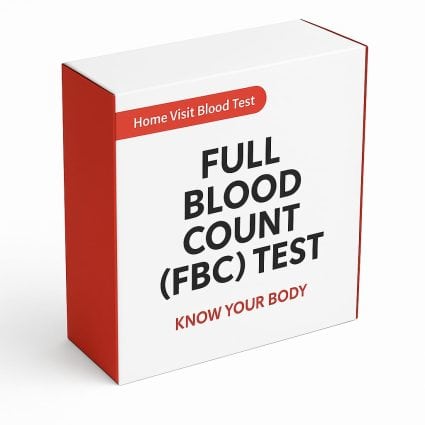
Within the UK healthcare system, an FBC can uncover a range of health issues, such as anaemia, infections, or blood disorders, enabling timely medical interventions that can significantly enhance patient outcomes. A solid understanding of the implications of the FBC test empowers individuals to take charge of their health more effectively, leading to informed choices that positively impact their lives.
Essential Guidelines to Follow Before Undergoing an FBC Test
The process for obtaining an FBC test commences with the collection of a blood sample at UK clinics, where trained healthcare professionals typically draw blood from a vein in the arm. To ensure the most accurate results, patients in Newark-on-Trent should adhere to several essential steps: arrive well-hydrated, wear loose-fitting clothing to facilitate easy access to the arm, and inform the healthcare provider of any medications or medical conditions that may influence the test results. Following these established protocols is crucial for securing reliable outcomes, which ultimately contribute to better health assessments and understanding.
What Are the Common Reasons for Undergoing FBC Testing?
Healthcare professionals in the UK frequently recommend FBC tests for various symptoms that may indicate underlying health issues. Common reasons for undergoing this testing include:
- Experiencing persistent fatigue or weakness
- Frequent occurrences of infections
- Unexplained bruising or bleeding
- Signs indicative of inflammation
- Unexplained weight loss
These symptoms are often observed across the UK, and early diagnosis through FBC tests can lead to prompt interventions, significantly improving patient health and safety. Recognising these signs early allows for timely medical attention, enhancing the chances of effective treatment and recovery for individuals.
Expert Perspectives on the FBC Test in Newark-on-Trent
How to Effectively Interpret Your FBC Results?
Interpreting the results of an FBC test requires a nuanced understanding of what the various blood components indicate about a patient’s health. Healthcare specialists in the UK meticulously analyse these results to identify any abnormalities, which can significantly shape subsequent treatment plans. For residents of Newark-on-Trent, collaborating closely with a healthcare provider to understand the significance of specific values—such as low red blood cell counts indicating <a href="https://bloodtest.co.uk/anaemia-home-test-your-guide-to-at-home-testing/">anaemia</a> or elevated white blood cell counts suggesting an underlying infection—is essential for the effective management of health conditions. This understanding fosters informed decision-making, ultimately enhancing patient outcomes and wellbeing.
Why is Accuracy in FBC Testing Vital for Patient Care?
In the UK, the accuracy of FBC testing predominantly hinges on certified laboratories that adhere to rigorous quality protocols. Patients should take a proactive approach to ensure reliable results by selecting recognised providers and confirming that their laboratory is fully accredited. Additionally, they can inquire about sample handling and the quality control measures in place. Accurate FBC results are indispensable for effective diagnosis and treatment, underscoring the importance of choosing a reputable service that prioritises patient care and the integrity of results.
Long-Term Health Monitoring Through Regular FBC Tests
Experts in the UK advocate for routine FBC tests, particularly for individuals managing chronic conditions such as diabetes or heart disease. For instance, real-world examples from Newark-on-Trent indicate that patients who consistently monitor their blood counts have a clearer understanding of their health status, enabling timely adjustments to their treatment plans. This proactive approach not only fosters overall health improvement but also empowers patients to take ownership of their wellbeing, ultimately leading to an enhanced quality of life and greater health satisfaction.
How Does the FBC Test Process Operate in Newark-on-Trent?
What Equipment is Utilised During Your FBC Test?
Healthcare facilities across the UK employ advanced blood analysers to conduct FBC tests, ensuring rapid and precise processing of blood samples. The procedure typically initiates with a healthcare professional collecting the blood sample, which is subsequently processed in a sophisticated machine that automatically counts and categorises the blood cells. This cutting-edge technology ensures efficient results, a particularly beneficial aspect for residents of Newark-on-Trent who may require prompt health assessments and timely diagnostic feedback to address their health concerns.
Why Choose Local Clinics for Your FBC Testing Needs?
Selecting local clinics for FBC testing presents numerous advantages, including shorter wait times and greater accessibility. In Newark-on-Trent, community clinics are often conveniently located, making it easier to schedule appointments without extensive travel. Furthermore, these clinics typically possess a better understanding of local health trends, enabling them to deliver tailored care and timely responses to patient needs. This level of accessibility is vital for maintaining ongoing health monitoring, as it encourages individuals to prioritise their health without unnecessary barriers or delays.
Are There Any Risks Associated with FBC Testing Procedures?
While FBC tests are generally regarded as safe, there are minimal risks associated with the procedure, such as slight bruising at the blood draw site. These risks are typically rare and transient, with healthcare providers in the UK taking appropriate precautions to minimise discomfort. Patients are encouraged to voice any concerns they may have, allowing providers to implement additional measures to ensure a smooth and comfortable experience throughout the testing process.
Research-Supported Benefits of FBC Testing in Newark-on-Trent
What Health Improvements Can Be Achieved Through FBC Testing?
Research conducted in the UK underscores that FBC tests facilitate the early detection of various diseases, significantly enhancing patient outcomes. Specific benefits identified in UK studies include:
- Early identification of anaemia
- Detection of infections or inflammatory conditions
- Monitoring of chronic diseases
- Assessment of overall health status
These advantages highlight the critical role that FBC tests play in proactive healthcare, empowering individuals to maintain optimal health and wellbeing through early intervention and informed medical decisions that can have lasting positive effects on their health journeys.
How Does FBC Testing Facilitate Accurate Diagnosis?
Evidence from UK research robustly supports the role of FBC tests in facilitating accurate diagnostics. Not only do they offer a snapshot of a patient’s blood health, but they also furnish essential data that can be integrated with other diagnostic evaluations. For instance, combining FBC results with biochemical tests can yield a more comprehensive understanding of a patient’s health, helping clinicians devise effective treatment strategies tailored to individual needs and circumstances.
What Are the Benefits of FBC Testing Across Different Age Groups?
FBC tests prove invaluable across various demographics, enabling healthcare professionals to tailor health plans effectively. In Newark-on-Trent, actionable steps include ensuring that children receive regular health assessments to identify potential growth issues early. At the same time, elderly patients may require more frequent testing to monitor age-related health changes. Adults can also benefit from periodic screenings to identify lifestyle-related health risks, showcasing the versatility of FBC tests in promoting public health across all age groups and supporting diverse health needs that evolve throughout life.
What Specific Advantages Does the FBC Test Offer?
How Does FBC Testing Contribute to Preventive Care?
Guidelines in the UK strongly emphasise the significance of FBC tests as a foundational element of preventive healthcare. By identifying health concerns before they escalate into more serious issues, FBC tests seamlessly integrate into routine check-ups. This proactive stance not only fosters early detection but also empowers individuals to make informed lifestyle choices that positively impact their long-term health and wellbeing, ultimately reducing the risk of serious health complications and enhancing quality of life.
Can FBC Testing Detect Nutritional Deficiencies Effectively?
Absolutely, FBC tests in the UK are pivotal in identifying nutritional deficiencies, notably iron deficiency anaemia. Common findings from these tests often reveal low red blood cell counts, prompting healthcare providers to recommend dietary adjustments or supplements to rectify these deficiencies. Early intervention is crucial for preventing more severe health complications, making FBC testing an essential tool for maintaining nutritional health and overall vitality, ensuring that individuals can sustain optimal health standards.
Why is Continuous Follow-Up Care Essential After an FBC Test?
Post-test monitoring holds significant importance in the UK to ensure ongoing health and the effectiveness of any treatments initiated. For example, real-world instances demonstrate how effective follow-ups have led to positive outcomes for patients recovering from various conditions. Engaging in follow-up discussions with healthcare providers allows for timely adjustments based on FBC results, fostering a culture of continuous health improvement and proactive care that benefits patients in the long run.
How Does FBC Testing Aid in Early Disease Detection?
In the UK, FBC tests serve as a crucial tool for identifying early indicators of diseases, including infections and blood disorders. By facilitating swift intervention, these tests can prevent complications and enhance patient outcomes through proactive healthcare strategies that address health concerns before they escalate into more significant issues. For instance, the early detection of blood disorders can lead to timely referrals to specialists, ensuring comprehensive treatment pathways for affected patients and improving their overall health prospects significantly.
What Role Does FBC Testing Play in Monitoring Chronic Conditions?
In the UK, FBC tests are integral to tracking chronic illnesses such as arthritis and heart disease. By monitoring fluctuations in blood cell counts over time, healthcare providers can adjust treatment plans according to the patient’s current health status. This ongoing evaluation is critical for effectively managing long-term health, as it enables timely interventions that can significantly enhance the quality of life for patients suffering from chronic conditions, ensuring they receive the necessary care and support.
Preparing for Your FBC Test in Newark-on-Trent
What Crucial Information Should Patients Know Before Their Test?
Preparation for an FBC test in the UK typically involves fasting and a comprehensive review of the patient’s medical history. Patients should be informed about what to expect during the appointment, including the blood draw process and any potential discomfort that may arise. Arriving at the clinic equipped with all relevant information can help the healthcare provider tailor their approach based on individual health needs, ensuring a more personalised and effective testing experience that enhances patient comfort and understanding.
How Can Patients Find a Suitable Provider for FBC Testing?
Residents in the UK seeking an FBC test in Newark-on-Trent can select accredited laboratories or clinics that comply with national health standards. When selecting a provider, patients should consider critical factors such as accreditation status, the availability of experienced staff, and patient reviews. Engaging with local health forums or community resources can also yield valuable insights into reputable services in the area, ensuring a positive testing experience and patient satisfaction that reflects high standards of care and professionalism.
What Practical Tips Can Ensure a Smooth Testing Experience?
To guarantee a seamless FBC testing experience, patients in the UK can follow these practical recommendations:
- Stay well-hydrated in the hours leading up to the appointment.
- Avoid strenuous activity before the test.
- Wear comfortable clothing that allows easy access to arms.
- Bring a list of medications and a summary of medical history for reference.
By adhering to these guidelines, patients can significantly alleviate anxiety and facilitate a smoother testing process, ultimately leading to more accurate results and a better overall experience of healthcare that prioritises patient needs and comfort.
Where Can You Access an FBC Test in Newark-on-Trent?
What Facilities Are Available for FBC Testing in Your Area?
Newark-on-Trent boasts a variety of facilities where residents can conveniently access FBC tests, particularly through NHS clinics. These clinics are well-equipped with the necessary technology and trained personnel to perform the tests effectively. Generally, waiting times are manageable, allowing patients to receive timely results, which is crucial for addressing any health concerns promptly and efficiently, thereby ensuring that individuals can take prompt action regarding their health.
How Much Does an FBC Test Typically Cost in the UK?
In the UK, many FBC tests are covered by the NHS, enabling eligible patients to access them at no cost. For individuals seeking private testing, fees are generally reasonable and often contingent on the chosen provider. Residents of Newark-on-Trent should inquire at local clinics to gain a comprehensive understanding of pricing structures and applicable insurance coverage, ensuring transparency and accessibility for all patients seeking essential healthcare services.
Is Home Testing for FBC a Viable Option for Patients?
Some services in the UK offer at-home FBC testing kits, which can be a convenient alternative for those unable to visit a clinic. However, it is essential for residents of Newark-on-Trent to evaluate the suitability and accuracy of these kits carefully. Consulting with healthcare providers can help determine whether at-home testing is a viable option, ensuring that patients can still obtain reliable results and appropriate further actions based on their health needs, ultimately prioritising their wellbeing and safety.
Post-Test Considerations After Completing Your FBC Test
How Should Patients Handle Their FBC Results?
Once the FBC test results are available, patients in the UK must discuss them with their GP, who can offer guidance on next steps. Understanding the interpretation of these results is crucial as it can inform any necessary lifestyle changes or additional testing. Engaging in open dialogue with healthcare providers will facilitate a collaborative approach to health management, fostering better outcomes and improved patient care that promotes a proactive stance towards health and wellbeing.
When Should Patients Consider Retaking the FBC Test?
UK guidelines recommend that repeat FBC tests may be necessary based on initial findings, especially when results are abnormal. Patients should take a proactive role in monitoring their health and discussing appropriate timelines for retesting with their GP. This ongoing assessment is vital for tracking changes and ensuring that any emerging health issues are identified early, allowing for timely interventions and effective healthcare management that prioritises patient safety and health optimisation.
What Steps Can Patients Take to Maintain Their Health After the Test?
Following an FBC test, focusing on lifestyle modifications such as adopting a balanced diet rich in nutrients and engaging in regular exercise can significantly enhance overall wellbeing. Residents should consider implementing dietary changes based on their test results, prioritising nutrient-dense foods that support blood health and overall vitality. Additionally, seeking guidance from healthcare professionals to develop personalised wellness plans can be immensely beneficial for long-term health and quality of life, ensuring that individuals remain engaged and proactive in their health journeys.
How Should Patients Understand Abnormal FBC Results?
In the UK, abnormal FBC results, such as low white blood cell counts, necessitate further discussion with a GP to explore potential causes, including infections or deficiencies. Healthcare providers may recommend additional tests or lifestyle modifications based on the findings, ensuring patients receive comprehensive care tailored to their specific needs and circumstances. This thorough approach promotes optimal health management and encourages proactive health practices that empower individuals to take control of their health.
How Can Patients Access UK Support Services After an FBC Test?
Following an FBC test, patients can utilise NHS resources in the UK, including online portals and helplines, to access additional information and emotional support. If results indicate ongoing health concerns, GPs can guide patients toward specialist services, ensuring a comprehensive approach to their healthcare needs and facilitating access to further resources and support systems that enhance patient care and wellbeing, ultimately promoting a holistic view of health.
Frequently Asked Questions About FBC Testing
What Does an FBC Test Involve in Detail?
An FBC test involves a straightforward blood draw, typically from the arm, to evaluate various blood components, including red blood cells, white blood cells, and platelets. The results obtained are instrumental in diagnosing various health conditions, making this test a vital aspect of medical assessments and routine health checks that contribute significantly to patient care.
How Long Do FBC Test Results Typically Take to Process?
FBC test results usually take anywhere from a few hours to a few days, depending on the testing facility. Most NHS clinics strive to provide results promptly to enable timely medical decision-making, thereby supporting effective healthcare delivery and patient management that enhances overall health outcomes.
Is Fasting Required Before an FBC Test?
Fasting is generally not a requirement for an FBC test; however, some healthcare providers may recommend it based on individual circumstances. It is always best to confirm specific instructions with the testing facility before the appointment to ensure optimal preparation and accurate results, thereby minimising any potential complications.
Can FBC Tests Predict Future Health Issues Accurately?
While FBC tests can indicate current health problems, they are not definitive predictors of future health conditions. However, regular testing can help monitor changes over time and catch potential health problems early, enabling proactive healthcare measures and timely interventions that significantly enhance patient health.
What Steps Should I Take if My FBC Results are Abnormal?
If your FBC results are abnormal, it is essential to discuss them with your GP to understand potential causes and necessary follow-up actions. Depending on the results, further testing or lifestyle modifications may be recommended to address any identified issues, ensuring comprehensive care and improved health outcomes.
How Often Should I Have an FBC Test Conducted?
The frequency of FBC tests depends on individual health needs. Generally, adults are advised to undergo routine blood tests at least annually, yet those with chronic conditions may need more frequent assessments to monitor their health effectively and manage any ongoing issues that could arise.
Are There Any Side Effects Associated with FBC Testing Procedures?
FBC testing is typically safe, with minimal side effects. The most common issue is minor bruising or discomfort at the site of the blood draw, which usually resolves quickly and does not pose significant concerns for patients undergoing this routine procedure.
What Factors Can Affect FBC Test Results?
Various factors, including dehydration, recent infections, medications, and underlying health conditions, can influence FBC test results. Patients must inform healthcare providers of any relevant details before the test to ensure accurate interpretations and effective health management that prioritises patient safety and wellbeing.
Can Children Undergo FBC Tests Safely?
Yes, children can indeed undergo FBC tests. Healthcare providers may recommend these tests for various reasons, such as monitoring growth or diagnosing potential health issues early, thereby ensuring appropriate interventions are initiated and improving health outcomes for younger patients.
Do I Need a Referral for an FBC Test?
A referral is not always necessary for obtaining an FBC test, particularly in private settings. However, for NHS tests, a GP referral may be required, depending on the circumstances and the patient’s specific health concerns, ensuring that appropriate care is provided.
Connect with Us on Facebook for Updates!
This Article Was First Found On https://bloodtest.co.uk
The Article FBC Test: A Comprehensive Guide for Newark-on-Trent found first on https://electroquench.com