Why Regular Cholesterol Testing is Essential for Residents of Norwich
Key Cholesterol Knowledge Every Resident Should Understand
Private Cholesterol Blood Test In Norwich: Cholesterol, a fatty substance, plays a vital role in various cellular functions within the body. While it is crucial for hormone production and vitamin D synthesis, excessively high cholesterol levels pose serious health risks, particularly concerning cardiovascular health. For residents of Norwich, prioritising regular cholesterol testing is an important proactive measure for maintaining their health. Local NHS services offer convenient testing options, allowing individuals to effectively manage their cholesterol levels.
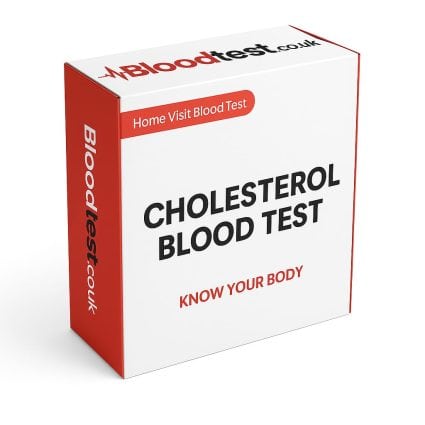

Regular testing aids in the early detection of potential health issues, allowing for timely interventions. By being aware of their cholesterol levels, Norwich residents can make informed lifestyle choices. Regular assessments foster collaboration with healthcare professionals to develop personalised management strategies that promote long-term heart health.
The significance of cholesterol testing extends to the wider community. As more residents engage in regular testing, awareness of heart health issues increases, fostering a culture of wellness throughout Norwich. This collective effort can enhance public health and reduce the burden on local healthcare services.
Recognising the Dangers of High Cholesterol
High cholesterol is often termed a silent threat due to the absence of obvious symptoms. This highlights the importance of regular <a href=”https://bloodtest.co.uk/private-blood-tests-tynemouth/”>blood tests</a> for adults in Norwich. Elevated cholesterol levels can significantly increase the risk of severe cardiovascular events such as heart attacks and strokes. Individuals with a family history of heart disease or those with poor dietary habits are particularly at risk.
Comprehending the hazards associated with high cholesterol can inspire residents to adopt proactive measures. By prioritising regular testing, adults in Norwich can assess their cholesterol levels and take necessary steps to mitigate their risk. This forward-thinking mindset is essential for sustaining overall health and preventing serious medical complications in the future.
Lifestyle factors contributing to high cholesterol, such as unhealthy diets and inadequate physical activity, are common in many communities. By increasing awareness of these risks, healthcare providers in Norwich can encourage residents to embrace healthier behaviours, ultimately improving public health outcomes.
Current Trends in Cholesterol Health Statistics for Norwich
Recent statistics reveal a concerning increase in elevated cholesterol levels within Norwich. Unhealthy lifestyle choices, including poor eating habits and sedentary behaviours, are driving this trend. The data underscores the urgent need for more residents to seek cholesterol testing at local GP practices, emphasising the critical role of preventive care and early intervention.
As awareness of cholesterol health grows, more individuals begin to recognise the importance of regularly monitoring their cholesterol levels. Local health campaigns strive to educate the Norwich community about the significance of routine testing and adopting healthier lifestyle choices. These initiatives are vital in addressing the rising prevalence of high cholesterol and the associated health risks.
Local health authorities remain committed to providing resources and support for residents aiming to improve their cholesterol levels. By fostering a culture of health awareness, Norwich can work towards reducing the incidence of high cholesterol and its impact on the community.
Accessing Cholesterol Testing at Local GP Practices
Residents of Norwich can easily obtain cholesterol testing through their local GP surgeries and NHS clinics. These facilities provide essential services, ensuring individuals receive timely and accurate assessments of their cholesterol levels. Healthcare professionals are available to assist patients throughout the process, from scheduling appointments to interpreting results.
During a visit to a local GP practice, patients can expect a detailed approach to cholesterol testing. Healthcare providers typically discuss lifestyle choices, family medical history, and any pre-existing health conditions that may affect cholesterol levels. This personalised care guarantees that residents receive tailored advice and support for effectively managing their heart health.
The accessibility of cholesterol tests through local practices encourages consistent health monitoring. By removing barriers to testing, Norwich residents are more likely to prioritise their cardiovascular health, resulting in improved overall outcomes for the community.
Preparing for Your Cholesterol Blood Test in Norwich
Fasting Requirements for Accurate Cholesterol Readings
Preparing for a cholesterol blood test necessitates specific fasting guidelines to ensure accurate results. Patients in Norwich are generally advised to fast for nine to twelve hours prior to the test. This fasting period enables healthcare professionals to obtain precise lipid level readings, providing a clearer picture of an individual’s cholesterol status.
During the fasting period, patients should remain hydrated. While water is acceptable, all food and beverages, including coffee and tea, must be avoided. Adhering to these guidelines helps prevent distorted results, which could lead to unnecessary follow-up tests or misinterpretations of cholesterol levels.
Patients are encouraged to schedule their appointments for early mornings to facilitate overnight fasting. This approach minimises discomfort and streamlines the testing process. Following fasting requirements enhances the accuracy of cholesterol assessments for Norwich residents.
Foods and Beverages to Avoid Before Your Test
Prior to undergoing a cholesterol blood test, certain dietary choices should be avoided to ensure reliable results. Alcohol consumption is a significant factor that can influence cholesterol readings. Patients in Norwich should abstain from drinking alcohol for at least 24 hours before their test to avoid interference with their lipid levels.
Heavy meals should also be avoided the day before testing. Consuming fatty or high-calorie foods can elevate triglyceride levels, potentially distorting the results. Instead, individuals are encouraged to focus on light, low-fat meals rich in fibre to support overall health while preparing for the test.
By being mindful of their dietary choices leading up to the test, Norwich residents can help ensure that their cholesterol levels are assessed accurately. This attention to detail supports effective health monitoring and enables informed discussions with healthcare providers regarding any necessary interventions.
Steps to Arrange Your Appointment
Booking a cholesterol blood test in Norwich is a simple process. Residents should contact their local GP surgery in advance to arrange an appointment. Many practices offer dedicated cholesterol testing services, simplifying access to this essential health check.
When scheduling the appointment, patients should confirm any specific instructions tailored to their health profile. This may include fasting requirements or additional information needed for the test. Being well-prepared can help streamline the process and ensure a smooth experience at the clinic.
It is beneficial for patients to inquire about the expected timeline for receiving results. Understanding when to anticipate feedback can help individuals plan follow-up discussions with their healthcare providers, ensuring they remain proactive in managing their cholesterol levels.
What Types of Cholesterol Tests Are Available?
Comprehensive Lipid Profile Testing Explained
The comprehensive lipid profile test offers an extensive evaluation of various cholesterol components in the blood. This test measures total cholesterol, low-density lipoprotein (LDL), high-density lipoprotein (HDL), and triglycerides. For patients in Norwich, this thorough analysis provides critical insights into cardiovascular risk factors.
Understanding the results of a comprehensive lipid profile test is vital for effective health management. LDL is commonly labelled as “bad” cholesterol, as high levels can lead to plaque build-up in arteries. Conversely, HDL is known as “good” cholesterol, aiding in the removal of excess cholesterol from the bloodstream. Elevated triglycerides, another type of fat in the blood, can indicate potential health concerns.
By undergoing a comprehensive lipid profile test, residents of Norwich can collaborate with healthcare professionals to interpret their results and devise tailored strategies for managing their cholesterol levels. This proactive approach contributes to improved heart health and reduces the risk of cardiovascular diseases.
Understanding the Convenience of the Finger Prick Test
A finger-prick test provides a convenient alternative for cholesterol screening, allowing individuals in Norwich to assess their cholesterol levels without a full blood draw. This method involves a small prick on the fingertip to obtain a blood sample, which is then analysed for cholesterol levels.
The finger-prick test is particularly advantageous for those seeking quick and accessible testing options. Many local pharmacies and mobile units in Norwich offer this service, making it easy for residents to monitor their cholesterol levels without needing to schedule an appointment at a GP practice.
While the finger-prick test offers valuable initial insights into cholesterol levels, individuals should follow up with their GP for comprehensive testing if results suggest potential issues. This combination of convenience and thoroughness ensures that residents can effectively manage their heart health.
Advanced Testing Options for In-Depth Insights
Some clinics in Norwich provide advanced cholesterol testing options for individuals with complex health conditions or specific concerns. These specialised tests may include apolipoprotein measurements, which offer deeper insights into cardiovascular risk factors. Apolipoproteins are proteins that transport lipids in the bloodstream, and their levels can provide additional information regarding heart health.
For patients with elevated triglyceride levels or other risk factors, advanced testing can assist healthcare providers in developing more personalised management strategies. This targeted approach allows for a nuanced understanding of an individual’s cardiovascular health, enabling more effective interventions.
Patients interested in advanced testing should consult their GP to discuss the potential benefits and implications of these tests. Being informed about available options empowers Norwich residents to make educated decisions about their health and pursue the most suitable care.
Explaining the Direct LDL Measurement Test
The direct LDL measurement test is a specialised evaluation designed to accurately measure low-density lipoprotein cholesterol levels. This test is particularly beneficial for individuals in Norwich with elevated triglyceride levels, as traditional calculations may be less reliable.
By directly measuring LDL cholesterol, healthcare providers can obtain a clearer understanding of an individual’s cardiovascular risk. This precision is crucial for tailoring treatment plans and lifestyle recommendations, ensuring that residents receive the most effective care possible.
Patients considering this specialised test should consult their GP to determine its appropriateness for their circumstances. The direct LDL measurement test can play a vital role in managing cholesterol levels and enhancing heart health outcomes for residents of Norwich.
The Benefits of Home Testing Kits
Home cholesterol testing kits offer a convenient option for residents in Norwich to monitor their cholesterol levels regularly. These kits enable individuals to collect a blood sample at home and send it to a laboratory for analysis. This blend of privacy and ease of use makes home testing an attractive choice for many.
While home testing kits can provide valuable insights into cholesterol levels, patients must seek professional follow-up for accurate interpretation of results. Consulting a healthcare provider ensures that individuals comprehend their cholesterol status and can develop appropriate management strategies.
Home testing can encourage more frequent monitoring, empowering Norwich residents to take charge of their heart health. By incorporating home testing into their routines, individuals can stay informed about their cholesterol levels and make proactive decisions regarding their lifestyle and healthcare.
Expert Perspectives on Cholesterol Blood Testing in Norwich
Illustrative Case Studies from Local Clinics
Local experts in Norwich have observed how early cholesterol testing has significantly impacted health outcomes for patients. For example, several clinics have reported instances where individuals discovered high cholesterol levels through routine testing, leading to timely interventions. These patients received tailored guidance on dietary changes and medication adjustments, resulting in improved heart health.
One notable case involved a patient who, after receiving high cholesterol results, implemented substantial lifestyle changes. By incorporating more fruits, vegetables, and whole grains into their diet, along with regular exercise, the patient successfully lowered their cholesterol levels within months. This success story exemplifies the importance of early testing and proactive management.
Healthcare professionals in Norwich advocate for regular cholesterol testing as a preventive strategy against severe health complications. By sharing these real-world examples, they aim to inspire residents to prioritise their heart health and utilise the testing services available within the community.
Effective Strategies for Ensuring Accurate Results
To achieve reliable cholesterol test results, healthcare professionals in Norwich recommend several effective strategies. First, patients should adhere to fasting requirements before the test, as this is crucial for obtaining accurate lipid level readings. Proper preparation can significantly influence the results, offering individuals a clearer picture of their cholesterol status.
Second, maintaining a consistent testing schedule is vital. Regular check-ups, whether annually or biannually, allow patients to monitor changes in their cholesterol levels over time. This consistent oversight enables early detection of potential issues and facilitates timely interventions.
Following up with healthcare providers after receiving test results is essential. Discussing the findings with a GP can help patients understand their cholesterol levels and develop personalised management strategies. By taking these steps, residents of Norwich can effectively monitor their cholesterol and enhance their overall heart health.
Understanding the Accuracy of Cholesterol Tests
Specialists in Norwich emphasise the significance of understanding the accuracy of cholesterol tests. Factors such as age, gender, and overall health can influence test results and their interpretation. For instance, older adults may naturally exhibit different cholesterol levels than younger individuals, necessitating customised recommendations.
The laboratory’s standards for conducting tests play a critical role in accuracy. Patients are encouraged to seek testing from reputable facilities that adhere to established guidelines and quality control measures. This ensures that results are reliable and can effectively inform healthcare decisions.
By fostering an understanding of test accuracy, healthcare providers in Norwich empower residents to take control of their heart health. Informed patients are better equipped to discuss their results with their GPs and make necessary lifestyle adjustments or treatment decisions.
How to Interpret Your Cholesterol Test Results
Decoding LDL and HDL Cholesterol Levels
Interpreting cholesterol test results requires an understanding of the different types of cholesterol measured. Low-density lipoprotein (LDL) is often labelled as “bad” cholesterol because high levels can lead to plaque build-up in arteries. Conversely, high-density lipoprotein (HDL) is regarded as “good” cholesterol as it assists in removing excess cholesterol from the bloodstream.
For residents of Norwich, being aware of the target ranges for LDL and HDL is crucial. Typically, an optimal LDL level is below 3.0 mmol/L, while HDL levels should ideally exceed 1.0 mmol/L in men and 1.2 mmol/L in women. Patients should consult their healthcare providers to clarify their specific results and their implications for their health.
By understanding LDL and HDL levels, Norwich residents can gain valuable insights into their cardiovascular health. This knowledge enables individuals to engage in informed discussions with their GPs and take proactive steps to manage their cholesterol levels effectively.
Interpreting Triglyceride Levels
Triglycerides represent another essential component measured during cholesterol testing. Elevated triglyceride levels may indicate dietary issues or other health concerns. For residents in Norwich, understanding what triglyceride numbers signify is vital for making informed lifestyle choices.
Generally, a triglyceride level below 1.7 mmol/L is regarded as normal. Levels ranging from 1.7 to 2.2 mmol/L are classified as borderline high, while levels exceeding 2.3 mmol/L are considered high. Elevated triglycerides can be linked to conditions such as obesity, diabetes, and metabolic syndrome, making it crucial for individuals to evaluate their eating habits and lifestyle.
If triglyceride levels are elevated, healthcare providers in Norwich often recommend dietary modifications, such as reducing sugar and refined carbohydrates, increasing fibre intake, and incorporating healthy fats. By addressing these dietary concerns, residents can work towards lowering their triglyceride levels and enhancing their overall heart health.
When to Seek Professional Help
If cholesterol test results fall outside normal ranges, residents of Norwich should seek further guidance from their GP. Elevated LDL or triglyceride levels, or low HDL levels, may indicate an increased risk of cardiovascular disease, necessitating further evaluation and management.
Healthcare providers can assist individuals in understanding the underlying causes of abnormal results and recommend appropriate next steps. This may involve lifestyle changes, such as dietary adjustments and increased physical activity, or medical interventions, such as statins or other medications.
Individuals with a family history of heart disease or other risk factors may require more frequent monitoring and personalised treatment plans. By engaging with healthcare professionals, Norwich residents can take proactive measures to improve their cholesterol levels and overall heart health.
Understanding Total Cholesterol Readings
Total cholesterol readings provide a comprehensive view of an individual’s cholesterol levels, including LDL, HDL, and other blood fats. For patients across Norwich, grasping total cholesterol readings is crucial for assessing cardiovascular risk.
A total cholesterol level below 5.0 mmol/L is generally considered desirable. Levels between 5.0 and 6.4 mmol/L are classified as borderline high, while levels above 6.5 mmol/L are deemed high. Understanding these thresholds can help individuals evaluate their overall heart health and determine whether further action is necessary.
Healthcare experts in Norwich frequently clarify total cholesterol readings to patients, emphasising the importance of considering both LDL and HDL levels. By understanding the complete picture, residents can engage in informed discussions with their GPs and develop tailored strategies for effective cholesterol management.
Comprehending Cholesterol Units and Measurements
In the UK, cholesterol levels are typically measured in millimoles per litre (mmol/L). For Norwich residents, understanding these units is essential for accurately interpreting cholesterol test results. Familiarising oneself with common measurements used in medical tests can enhance communication with healthcare providers.
When discussing cholesterol levels, patients should be aware of the target ranges for LDL, HDL, and triglycerides expressed in mmol/L. This knowledge helps individuals better understand their results and engage in meaningful conversations with their GPs about their health.
Being knowledgeable about cholesterol units empowers patients to take an active role in managing their heart health. By comprehending the measurements and their implications, residents of Norwich can make informed decisions about lifestyle changes and treatment options to improve their cholesterol levels.
Research-Backed Benefits of Cholesterol Blood Testing in Norwich
Evidence Supporting Early Detection
Research highlights the advantages of early detection through cholesterol testing, showing that individuals in Norwich have experienced fewer cardiac events when issues are identified promptly. For example, several local studies indicate that residents who underwent regular cholesterol checks were able to implement lifestyle changes that significantly reduced their risk of cardiovascular diseases.
One compelling case involves a Norwich resident who, after identifying elevated cholesterol levels, made dietary adjustments and increased physical activity. This proactive approach led to a notable decrease in cholesterol levels and a marked improvement in overall health, illustrating the power of early intervention.
By sharing these real-world examples, healthcare providers in Norwich aim to encourage residents to prioritise regular cholesterol testing. Understanding the tangible benefits of early detection can motivate individuals to take charge of their heart health and engage with local health services.
Practical Steps for Continued Monitoring
Ongoing monitoring of cholesterol levels is vital for maintaining heart health, and residents of Norwich can take several practical steps to achieve this. Regular testing, whether annually or biannually, allows individuals to track changes in their cholesterol levels over time. This consistent oversight facilitates early detection of potential issues and enables timely interventions.
To support regular testing, patients should consider establishing a routine with their healthcare providers. Regular check-ups can assist individuals in discussing their cholesterol levels, reviewing lifestyle choices, and making necessary adjustments to their management plans. This collaborative approach enhances accountability and empowers residents to take control of their heart health.
Incorporating digital health tools can aid in ongoing monitoring. Many apps linked to Norwich NHS services allow individuals to log their cholesterol results and receive reminders for upcoming appointments. By leveraging technology, residents can stay informed and engaged in their health journey.
Expert Recommendations for Prevention Strategies
Research underscores the importance of cholesterol testing in reducing long-term risks in communities like Norwich. By consistently assessing cholesterol levels, individuals can make informed decisions about their health and work towards personalised medical plans that support heart health.
Healthcare professionals in Norwich provide expert insights on preventive strategies, highlighting the role of lifestyle changes in managing cholesterol levels. Simple adjustments, such as adopting a heart-healthy diet, increasing physical activity, and avoiding smoking, can significantly impact cholesterol management.
Healthcare providers encourage residents to engage in regular testing as part of their overall wellness strategy. By fostering a culture of health awareness and proactive management, Norwich communities can work towards reducing the prevalence of high cholesterol and its associated health risks.
Effective Lifestyle Modifications to Improve Cholesterol Levels
Nutritious Dietary Changes for Residents of Norwich
Implementing dietary modifications is one of the most effective strategies for Norwich residents to enhance their cholesterol levels. Increasing fibre intake from sources such as oats, fruits, and vegetables can help naturally lower cholesterol levels. These foods are rich in soluble fibre, which binds to cholesterol in the digestive system, aiding in its elimination from the body.
To boost fibre intake, it’s crucial to reduce saturated fats found in red meat, full-fat dairy products, and processed foods. Replacing these with healthier fats, such as those found in olive oil, avocados, and nuts, can positively affect cholesterol levels. Incorporating more plant-based meals into the diet can also contribute to better heart health.
By making these dietary changes, residents of Norwich can effectively lower their cholesterol levels and reduce their risk of cardiovascular diseases. Collaborating with healthcare providers can further enhance these efforts, as they can offer tailored advice and support for making sustainable dietary modifications.
Incorporating Regular Physical Activity
Engaging in regular physical activity is another crucial component of managing cholesterol levels. For residents of Norwich, incorporating activities such as walking, cycling, or participating in local sports can significantly improve lipid profiles. It is recommended to engage in at least 150 minutes of moderate-intensity exercise each week to achieve optimal heart health.
Local parks and recreational areas in Norwich provide excellent opportunities for outdoor activities. Whether it’s taking a brisk walk in Eaton Park or cycling along the River Wensum, discovering enjoyable ways to stay active can greatly impact cholesterol management. Exercise helps raise HDL cholesterol, the “good” cholesterol, while simultaneously lowering LDL cholesterol and triglycerides.
To cardiovascular benefits, regular physical activity can enhance overall wellbeing and reduce stress levels. By prioritising exercise as part of a healthy lifestyle, Norwich residents can take proactive steps to improve their cholesterol levels and support their heart health.
The Role of Medication in Cholesterol Management
In some cases, lifestyle changes alone may not be sufficient to effectively manage cholesterol levels. For residents of Norwich, healthcare providers may prescribe medications such as statins to complement lifestyle efforts. Statins work by reducing cholesterol production in the liver, thereby lowering LDL levels and decreasing the risk of cardiovascular disease.
When considering medication, patients must discuss their individual health profiles with their GPs. Factors such as age, family history, and existing health conditions can influence the decision to initiate medication. Healthcare providers can evaluate the potential benefits and risks, ensuring that individuals receive the most suitable care.
Patients should continue to focus on lifestyle changes even while taking medication. Combining medication with a heart-healthy diet and regular exercise can lead to more significant improvements in cholesterol levels and overall health. By adopting a comprehensive approach, residents of Norwich can effectively manage their cholesterol and reduce their risk of heart-related issues.
Finding Cholesterol Testing Facilities in Norwich
GP Surgeries and Health Clinics
Residents of Norwich have access to numerous GP surgeries and clinics that provide on-site cholesterol testing. These facilities are equipped to deliver quick and reliable services, ensuring individuals can easily monitor their cholesterol levels as part of their overall health management. Many practices offer dedicated health checks that include cholesterol assessments, making it convenient for residents to prioritise their heart health.
When visiting a local GP surgery, patients can expect a comprehensive approach to cholesterol testing. Healthcare professionals will discuss individual health histories, lifestyle factors, and any specific concerns, ensuring that the testing process is tailored to each patient’s needs. This personalised care enhances the overall experience and promotes better health outcomes.
Many GP surgeries in Norwich are part of the NHS, allowing for seamless integration of health records. This connection ensures that healthcare providers have access to relevant information, facilitating informed discussions about cholesterol management and overall health.
Pharmacy Services Available in Norwich
Several pharmacies in Norwich offer walk-in cholesterol testing, providing residents with convenient options for monitoring their cholesterol levels. These pharmacies often employ trained staff who can conduct quick tests and discuss results on the spot. This accessibility makes it easier for individuals to prioritise their heart health without needing to visit a GP practice.
In many cases, pharmacy testing services can deliver immediate feedback on cholesterol levels, enabling patients to make informed decisions about their health. If results indicate potential issues, pharmacy staff can guide individuals on the next steps, such as scheduling a follow-up appointment with their GP for further evaluation.
Utilising pharmacy services can be a time-saving option for residents with busy schedules. By providing flexible hours and convenient locations, pharmacies in Norwich help ensure that individuals can easily access the cholesterol testing services they need.
Advantages of Choosing Convenient Testing Locations
- Reduced travel time for residents, facilitating easier access to testing services.
- Flexible hours accommodating various schedules, enhancing accessibility.
- Integrated NHS records enable seamless communication among healthcare providers.
- Immediate results and guidance from trained professionals, promoting prompt interventions.
- Convenience of walk-in services without the need for appointments.
- Increased community awareness of heart health through accessible testing options.
Long-Term Cholesterol Monitoring in Norwich
Establishing Regular Check-Ups
Establishing a routine for regular cholesterol checks is essential for residents of Norwich. Experts recommend annual or biannual testing based on individual risk factors and health history. Regular monitoring enables individuals to track changes in their cholesterol levels over time and respond promptly to any shifts.
When organising regular checks, patients should consult with their healthcare providers to determine the appropriate frequency based on their unique health profiles. Factors such as age, family history, and existing health conditions can influence the suggested testing schedule.
By committing to regular checks, residents of Norwich can take proactive steps towards managing their cholesterol levels and overall heart health. This consistency fosters a sense of accountability and empowers individuals to make informed decisions regarding their lifestyle and healthcare.
Utilising Digital Health Tools for Monitoring
Digital health tools can significantly aid in monitoring cholesterol levels over time. Numerous apps connected to Norwich NHS services enable residents to log their cholesterol results and effortlessly track changes. These tools often provide reminders for upcoming appointments and educational resources regarding heart health.
By leveraging technology, individuals can remain engaged in their health journey and maintain a clear record of their cholesterol levels. This data can be invaluable during discussions with healthcare providers, facilitating informed conversations about progress and necessary adjustments.
Digital health tools can promote accountability by encouraging users to adhere to their health goals. By integrating these resources into their routines, residents of Norwich can enhance their cholesterol management efforts and promote better overall health outcomes.
Long-Term Health Monitoring Strategies
Consistent monitoring and tracking of cholesterol levels empower Norwich residents to maintain control over their heart health. By establishing a routine for regular testing and utilising digital health tools, individuals can make informed decisions based on their cholesterol data.
Long-term health tracking allows individuals to identify trends in their cholesterol levels and assess the effectiveness of lifestyle changes or treatments. This proactive approach fosters a sense of ownership over one’s health and encourages individuals to stay committed to their heart health goals.
Engaging with healthcare providers during follow-up appointments can help residents understand the implications of their cholesterol levels and make necessary adjustments to their management plans. By prioritising long-term health tracking, residents of Norwich can significantly reduce their risk of cardiovascular diseases and improve their overall wellbeing.
Frequently Asked Questions
What is a cholesterol blood test?
A cholesterol blood test measures the levels of various types of cholesterol and triglycerides in your blood, assisting in assessing your risk of heart disease.
How often should I have my cholesterol tested?
It is generally recommended to have your cholesterol tested every four to six years, though more frequent testing may be necessary for those with risk factors.
What do LDL and HDL stand for?
LDL stands for low-density lipoprotein, commonly referred to as “bad” cholesterol, whereas HDL stands for high-density lipoprotein, known as “good” cholesterol.
Can I eat or drink before a cholesterol test?
You should fast for nine to twelve hours before the test, with only water allowed. Avoid all food and drink to ensure accurate results.
What health risks are associated with high cholesterol?
High cholesterol may lead to cardiovascular diseases such as heart attacks and strokes, as it contributes to plaque accumulation in arteries.
How can I effectively lower my cholesterol levels?
You can lower your cholesterol by adopting a heart-healthy diet, increasing physical activity, and, if necessary, taking prescribed medications.
What is considered a normal cholesterol level?
A total cholesterol level below 5.0 mmol/L is deemed desirable. LDL should be below 3.0 mmol/L, while HDL should be above 1.0 mmol/L for men and 1.2 mmol/L for women.
Are home cholesterol testing kits reliable?
Home cholesterol testing kits can provide valuable insights, but results should be confirmed with a healthcare provider for accurate interpretation.
What should I do if my cholesterol levels are elevated?
If your cholesterol levels are high, consult your GP for guidance on lifestyle changes and potential treatment options to manage your cholesterol effectively.
Where can I obtain a cholesterol test in Norwich?
You can obtain a cholesterol test at local GP surgeries, NHS clinics, and some pharmacies in Norwich that offer walk-in testing services.
Stay updated with the latest on our Facebook profile!
This Article Was First Found On https://bloodtest.co.uk
The Article Cholesterol Blood Test in Norwich: Essential Information found first on https://electroquench.com