Effective Strategies to Combat Phishing Scams
How Can You Quickly Detect Phishing Threats?
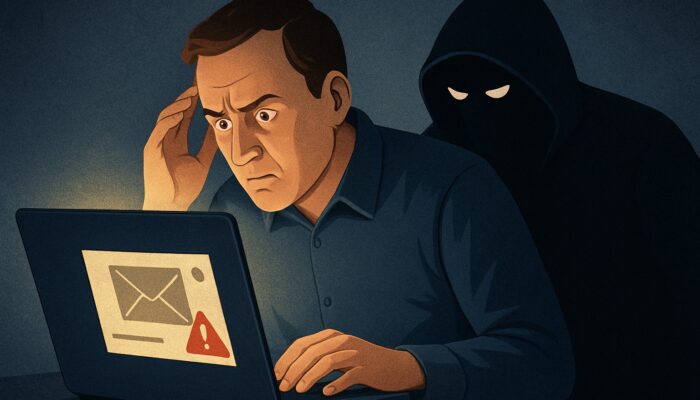
To effectively defend against phishing scams, it is crucial to identify suspicious communications that request personal information or prompt immediate actions through deceptive links or attachments. Users must stay alert for unusual sender addresses and grammatical inconsistencies as initial warning signs to reduce their vulnerability.
Taking the time to closely examine emails and messages can significantly improve your security. If something seems off, trust your instincts. Cybercriminals often impersonate recognised organisations, making it essential to verify any communications that raise concerns.
What Persuasive Techniques Do Phishing Emails Employ?
Understanding the psychological manipulation tactics used in phishing scams enables individuals to recognise deceptive language designed to provoke urgency or fear. Phishing emails typically exploit emotional triggers, pushing recipients to make hasty decisions. Familiarity with these tactics fosters more informed choices during online interactions, ultimately lowering risks.
Fraudsters frequently leverage familiar logos and branding to enhance their credibility, which can mislead recipients. By recognising these psychological strategies, individuals can sharpen their awareness of potential dangers and resist the urge to act impulsively.
Building Daily Security Habits
Establishing consistent practices, such as validating sources before clicking any links, strengthens your defences against the constantly evolving tactics employed by scammers in everyday online activities. Making it routine to verify URLs and sender addresses can greatly reduce the chances of falling prey to phishing attempts.
Encouraging a culture of caution within your social networks can heighten collective awareness. Sharing insights about phishing scams and motivating others to maintain similar vigilance fosters a safer online environment for everyone involved.
Expert Insights on Preventing Phishing Scams
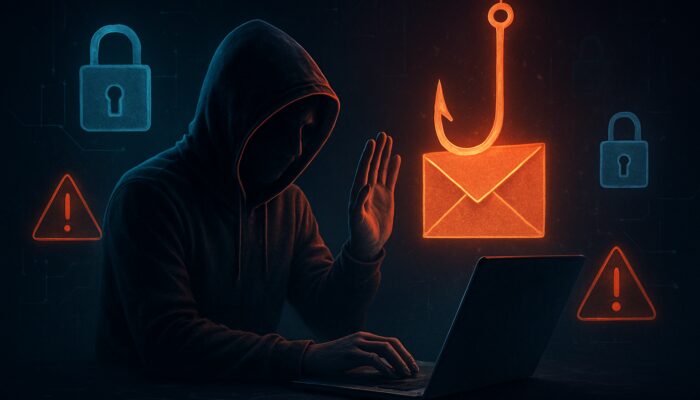
Recommended Detection Techniques from Cybersecurity Professionals
Learning from cybersecurity experts about their threat assessment methods can help individuals cultivate reliable habits that safeguard their information during frequent online interactions. Many professionals suggest using tools to analyse email headers, which can trace the origin of a message and reveal its authenticity or possible signs of phishing.
Another effective strategy is to meticulously review content for inconsistencies, such as irregular URLs or unusual requests for sensitive information. By adopting these practical detection techniques, users can significantly enhance their ability to spot phishing attempts before they escalate into serious threats.
What Steps Should You Follow to Verify Requests?
Establishing actionable steps to confirm the legitimacy of requests received via email or messages can prevent individuals from falling into common traps associated with phishing prevention strategies. A sensible approach is to contact the organisation directly using verified contact information instead of replying to the email.
Utilising reverse lookup tools can also aid in verifying the authenticity of suspicious phone numbers or email addresses. These verification processes empower users to make informed decisions about whether to engage with a request or disregard it entirely.
What Are the Key Benefits of Preventing Phishing Scams?
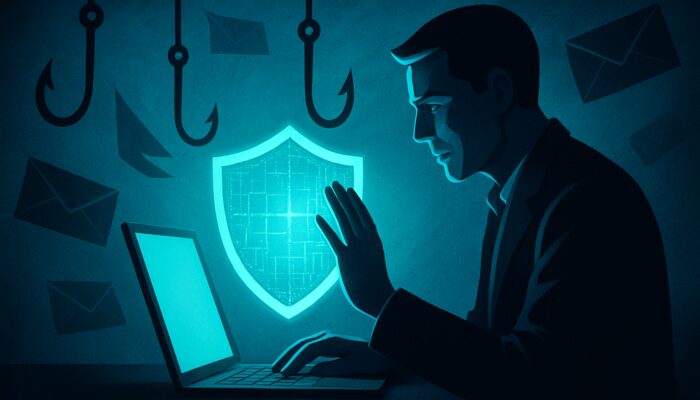
Experts stress that ongoing education is crucial for maintaining vigilance against sophisticated phishing attempts that target unsuspecting users. Regular training sessions can enhance awareness of the latest phishing strategies and reinforce the importance of scepticism when confronted with unsolicited communications.
- Increased understanding of phishing tactics
- Improved decision-making capabilities
- Enhanced security for personal and business information
- Greater confidence in online transactions
Staying informed about the evolving landscape of phishing scams is essential for everyone, from individuals to organisations. This proactive approach can lead to a significant reduction in successful phishing incidents.
How Can You Analyse Common Phishing Techniques?
Security experts provide in-depth analyses of prevalent phishing strategies employed by attackers, helping users swiftly identify warning signs. Techniques such as spear phishing target specific individuals, while mass phishing casts a wider net to capture vulnerable victims.
By familiarising themselves with these tactics, users can adopt best practices that mitigate risks associated with fraudulent communications across various platforms. Recognising patterns in phishing attempts enables individuals to stay ahead of potential threats.
What Advanced Security Solutions Should You Consider Implementing?
Security professionals recommend integrating software tools and browser extensions that provide real-time alerts and automatically block harmful websites. These solutions can significantly enhance defences against the ever-evolving phishing tactics employed by skilled cybercriminals.
For example, anti-phishing browser extensions can assess web pages in real time, alerting users to potential threats before they engage with harmful content. By leveraging these advanced security measures, individuals can strengthen their defences against phishing attempts.
What Are the Major Signs of Phishing Attempts?
How to Recognise Urgent Language in Messages?
Messages that pressure recipients for immediate action often indicate attempts to evade careful scrutiny and manipulate individuals into disclosing sensitive information without adequate consideration. Phishing emails typically feature phrases like “urgent action required” or “immediate verification needed,” aimed at inducing anxiety.
By recognising such language as a potential warning sign, users can take a moment to critically assess the situation. Pausing to reflect can prevent impulsive decisions that may compromise personal information.
How to Verify Sender Information for Authenticity?
Always scrutinise email addresses for slight variations that mimic trusted contacts, as this straightforward measure is a fundamental aspect of phishing scam prevention routines. Scammers often create email addresses that closely resemble legitimate ones, making thorough examination essential.
By ensuring the sender’s address aligns with the expected domain, users can significantly diminish their risk of becoming victims of phishing attempts. Employing email verification tools can assist in confirming the legitimacy of suspicious senders.
How to Avoid Clicking on Dubious Links?
Hovering over hyperlinks reveals their true destinations and prevents unintentional visits to harmful sites designed to steal credentials or install malware. Phishing emails frequently contain links that appear legitimate but redirect users to malicious websites.
By exercising caution and validating URLs before clicking, individuals can avoid inadvertently compromising their security. This simple practice helps protect users from significant risks and maintain their online safety.
How to Spot Poor Grammar or Spelling Mistakes?
Phishing emails commonly contain grammatical errors and spelling mistakes, as scammers rush to create convincing messages or lack proficiency in the target language. These discrepancies often act as warning signs for recipients, suggesting that the communication may not be genuine.
By honing the ability to detect these inconsistencies, users can fortify their defences against phishing scams. A professionally crafted email from a reputable source typically demonstrates meticulous attention to detail.
How to Identify Unsolicited Attachments?
Uninvited emails with attachments often conceal malware intended to compromise systems. Phishing attempts frequently exploit trust to extract sensitive data from users through unexpected requests for credentials or payments.
Being cautious with unsolicited attachments is vital for maintaining security. Users should refrain from opening attachments unless they are fully confident in the sender’s legitimacy and the context of the message.
What Are the Research-Backed Benefits of Preventing Phishing Scams?
How to Evaluate the Effectiveness of Prevention Strategies?
Research indicates that structured approaches to phishing scam prevention result in fewer incidents and increased confidence in managing digital communications across various platforms. Organisations that implement consistent training and awareness programmes report a significant decline in successful phishing attacks.
By equipping individuals with the knowledge and tools necessary to identify and respond to phishing threats, these structured strategies foster a culture of vigilance. This proactive approach can substantially enhance overall cybersecurity.
How to Strengthen Your Overall Security Posture?
Ongoing training enhances recognition skills and promotes proactive measures that effectively protect both personal and professional information. Engaging in continuous education regarding phishing tactics ensures that users remain informed about the latest threats and countermeasures.
By cultivating a security-first mindset, individuals can navigate the digital landscape more effectively and reduce risks associated with phishing scams. This heightened awareness contributes to a safer online environment for all users.
Which Detection Tools Are Most Effective?
Advanced software combined with user awareness creates layered defences that address multiple pathways exploited in contemporary phishing campaigns. Tools such as email filters, antivirus software, and browser extensions can significantly enhance detection capabilities.
By utilising these resources, users can identify potential threats more efficiently and implement appropriate measures to protect their information. Merging technology with education is crucial for establishing a robust defence against phishing attempts.
How to Reduce Financial Losses Related to Phishing?
Research shows that proactive avoidance of phishing scams leads to substantial savings by preventing unauthorised transactions and data breaches. Individuals and organisations that invest in phishing prevention strategies experience reduced recovery costs and greater operational stability.
By minimising the financial repercussions of successful phishing attempts, users can protect their financial health and security. This proactive strategy highlights the importance of investing in phishing scam prevention measures.
How to Mitigate Psychological Stress Associated with Phishing?
Findings from various studies reveal that effective phishing avoidance alleviates user anxiety regarding online activities. When individuals feel more secure in their digital interactions, they can navigate online environments with increased confidence.
This reduction in stress enhances overall mental well-being, allowing users to focus on other important aspects of their lives without the constant worry of falling victim to phishing scams.
How Do Regular Updates Strengthen Scam Protection?
Why Is It Vital to Keep Security Software Updated?
Maintaining up-to-date systems addresses vulnerabilities that scammers exploit through outdated applications. Regular updates ensure ongoing effectiveness in phishing scam prevention efforts. Cybercriminals frequently target known weaknesses, making it essential to remain proactive against potential threats.
By prioritising software updates, users can significantly bolster their defences against phishing attacks. This straightforward practice can lead to considerable enhancements in overall security.
What Are the Key Benefits of Regular Phishing Scam Prevention?
Frequent updates promptly close security gaps and reduce exposure to newly discovered threats in digital environments. Regular software updates not only improve functionality but also enhance defences against evolving phishing tactics.
By keeping systems current, individuals and organisations can better shield themselves from potential breaches and ensure a safer online experience.
How to Effectively Monitor System Changes?
Noticing unexpected changes after updates helps confirm that protective measures remain active and effective. Regularly monitoring system settings and software configurations can alert users to any unauthorised modifications.
By being vigilant about system integrity, individuals can quickly identify potential security issues and take necessary actions. This proactive approach is critical for maintaining a strong defence against phishing scams.
Proven Methods for Effective Phishing Scam Prevention
What Practical Email Screening Steps Should You Adopt?
Establishing routines to thoroughly review incoming messages before responding or engaging with any embedded content can significantly enhance phishing scam prevention efforts. Creating a checklist can assist users in identifying potential warning signs in emails.
For example, confirming the sender’s address, analysing the language used, and checking any links or attachments can encourage a more cautious approach. This routine fosters a habit of scepticism that is essential for online safety.
How to Raise Phishing Awareness Among Team Members?
Sharing knowledge within groups strengthens collective defences and cultivates an environment where everyone contributes to safer practices. Regular training sessions and workshops ensure that all members are aware of the latest phishing tactics and prevention strategies.
Encouraging open discussions about phishing scams allows team members to share experiences and insights. This collaborative approach can create a more informed and vigilant group equipped to recognise and respond to threats effectively.
Why Is Regular Monitoring of Account Activity Important?
Conducting routine checks for unusual logins or transactions enables early intervention and limits potential damage from successful phishing attempts. By keeping track of account activity, users can swiftly identify unauthorised access and take necessary steps.
Establishing alerts for suspicious activity can further enhance security. These proactive measures help individuals stay informed about their accounts and ensure that any potential threats are addressed without delay.
How Does Multi-Factor Authentication Enhance Security?
Implementing two-factor authentication adds an extra layer of security to accounts by requiring a second form of verification beyond just passwords. This significantly reduces the risk of unauthorised access, even if attackers successfully obtain credentials through phishing.
Many online services offer multi-factor authentication options, making it easier for users to improve their security. By taking advantage of this feature, individuals can better protect their sensitive information from potential breaches.
Why Is Timely Reporting of Suspicious Activities Crucial?
Promptly reporting suspected phishing attempts to the relevant authorities facilitates immediate investigation and threat mitigation. This proactive strategy not only safeguards the individual but also contributes to broader awareness and improved security measures throughout the organisation and beyond.
Fostering a culture of reporting within organisations enhances vigilance and contributes to a safer online environment. By sharing information about phishing attempts, users can help protect others from falling victim to similar scams.
Frequently Asked Questions
What Is Phishing?
Phishing refers to a cybercrime where attackers impersonate legitimate organisations to deceive individuals into revealing sensitive information, such as passwords or credit card numbers.
How Can I Identify a Phishing Email?
Look for indicators such as poor grammar, urgent language, suspicious sender addresses, and unexpected attachments. Always verify the sender’s identity before engaging with any requests.
What Should I Do If I Receive a Phishing Email?
Do not respond or click on any links. Report the email to your email provider and delete it immediately to minimise potential risks.
Can Phishing Scams Target Businesses?
Yes, phishing scams frequently target businesses, employing tactics like spear phishing to exploit specific individuals within an organisation.
What Measures Can I Take to Protect Myself from Phishing Scams?
Implement security practices such as multi-factor authentication, regular software updates, and education on identifying phishing attempts to bolster your defences.
What Are Some Common Phishing Techniques?
Common techniques include email spoofing, fraudulent websites, and social engineering tactics that create a sense of urgency or fear to prompt quick actions.
Is It Safe to Click on Links in Emails from Trusted Contacts?
Even if an email appears to originate from a trusted contact, verify the message’s content and check for any unusual requests before clicking on links.
How Frequently Should I Update My Security Software?
Regularly update your security software, ideally whenever updates are available, to ensure you have the latest protections against emerging threats.
What Is Multi-Factor Authentication?
Multi-factor authentication is a security measure that requires two or more verification methods to access an account, providing an additional layer of protection beyond just a password.
How Can I Report Phishing Attempts?
Report phishing attempts to your email provider or the relevant authorities in your country. This helps in tracking and effectively mitigating such threats.
Follow our Facebook page for the latest updates!
The article Avoid Phishing Scams: Key Tips for Online Safety was found on https://limitsofstrategy.com
The article Avoid Phishing Scams: Essential Online Safety Tips was first published on https://electroquench.com