Explore Captivating Puzzle Toys for Your Pets' Mental and Physical Stimulation
What Varieties of Interactive Puzzle Toys Can Enrich Your Pets' Playtime?
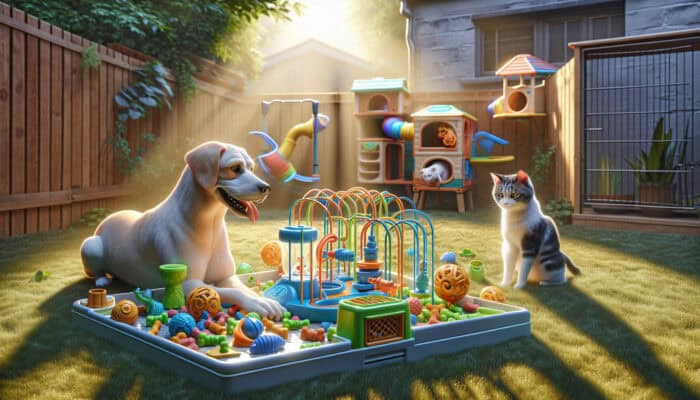
When seeking puzzle toys to combat your pets' boredom, you will discover an extensive range that caters to various needs, each uniquely designed to provide essential mental stimulation and engaging physical challenges. These enticing toys include treat dispensers that reward pets for their efforts, interactive mazes that foster critical thinking skills, and hide-and-seek toys that tap into their natural instincts. By actively engaging with these toys, pets not only maintain high activity levels but also effectively reduce destructive behaviours, contributing to their overall well-being. Below, you will find a practical list of notable categories of puzzle toys that are worth considering:
- Treat-dispensing toys
- Interactive maze toys
- Hide-and-seek puzzles
- Snuffle mats
- Level-based challenge toys
- Interactive electronic toys
How Do Puzzle Toys Play a Role in Reducing Pet Boredom?
Puzzle toys are more than mere playthings; they serve as crucial sources of mental stimulation that encourage pets to engage in problem-solving activities, which is vital for keeping them active and emotionally satisfied. By interacting with these toys, pets can avoid issues like anxiety and destructive behaviours, particularly during times of loneliness or restlessness. Engaging both their minds and bodies with these toys contributes to a more balanced and content pet. Offering a variety of challenges not only entertains pets but also positively influences their emotional health and overall happiness.
What Essential Materials Should You Look for in Quality Puzzle Toys?
The construction of high-quality puzzle toys typically incorporates durable, safe materials such as rubber, plastic, or food-grade silicone. These materials ensure that the toys can withstand vigorous chewing while remaining easy to clean, making them suitable for various home environments. It is essential to select toys that are non-toxic and designed for repeated use, allowing pets to enjoy their puzzle toys safely for extended periods. This careful consideration is vital for the health and happiness of your beloved companions.
In What Ways Do Puzzle Toys Improve Pet Well-Being and Alleviate Boredom?
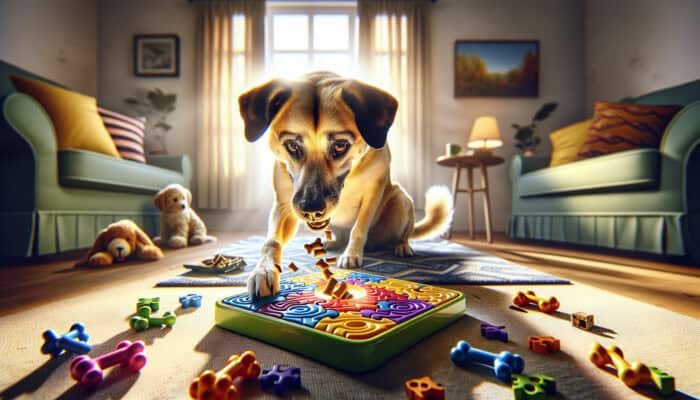
What Role Does Mental Stimulation Play in Pet Health?
The mental stimulation that puzzle toys provide is critical for maintaining pets' engagement and alleviating feelings of restlessness. These toys mimic natural hunting behaviours, prompting pets to think critically and explore their instincts. For example, a dog using a treat-dispensing toy must figure out how to manipulate it to access its reward, creating a rewarding and fulfilling experience. Real-world applications include using a snuffle mat, where pets search for hidden treats, or interactive toys that require them to push or roll objects to discover their rewards. Activities like these foster happier, healthier pets by promoting engaging and interactive play sessions.
What Signs Indicate That Your Pet May Benefit from Puzzle Toys?
Pets often exhibit signs of boredom through behaviours such as pacing, chewing furniture, or excessive barking. Introducing puzzle toys can effectively redirect this pent-up energy, leading to a more balanced daily routine. Pets that seem anxious or restless during regular playtimes are prime candidates for these stimulating toys. Recognising these early indicators can significantly enhance their behaviour and mental health, enabling them to lead happier lives enriched with engaging activities.
What Long-Term Benefits Can Puzzle Toys Provide for Your Pet's Behaviour?
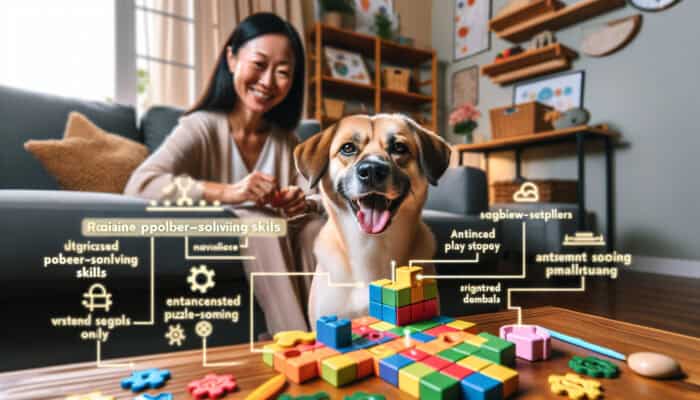
Incorporating puzzle toys into a pet's daily routine encourages the development of positive behavioural habits over time. As pets learn to entertain themselves, they cultivate a calmer demeanour and adapt more readily to independent play. Regular interaction with these toys nurtures essential problem-solving skills, instills a sense of accomplishment, and fosters a more balanced temperament. This ultimately results in increased happiness and reduced anxiety levels. Long-term engagement with puzzle toys significantly enriches their lives while simultaneously strengthening the bond between pets and their owners.
How Can You Choose the Most Appropriate Puzzle Toys for Your Pet?
Selecting the right puzzle toys necessitates careful consideration of your pet's age, size, and energy level to ensure they offer suitable challenges without causing frustration. For instance, puppies may benefit from toys that allow for adjustable difficulty, which can grow with them, while older cats might prefer simpler designs to keep them engaged. Always take your pet's individual preferences and play styles into account, incorporating toys that align with their instincts to enhance their overall engagement. This tailored approach fosters a more satisfying play experience for your pets.
What Techniques Can You Use to Integrate Puzzle Toys into Daily Routines?
To fully harness the benefits of puzzle toys, it is essential to weave them into your pet's daily activities, such as during mealtimes or play sessions. This structured routine not only sustains mental stimulation over time but also enriches their playtime experience. For example, using a treat-dispensing ball during play can transform a mundane exercise into an exciting challenge. This practice encourages positive habits and prevents boredom, ultimately improving overall pet satisfaction through consistent interaction with these engaging toys.
Expert Insights on the Importance of Puzzle Toys for Engaging Pets
What Practical Tips Should You Follow When Selecting Puzzle Toys?
Pet experts recommend choosing puzzle toys based on your pet's size and energy level to ensure effective engagement. Start by evaluating the toy's durability and complexity relative to your pet's experience; opt for a robust toy that can withstand vigorous play. Look for features such as adjustable difficulty to allow you to modify the challenge level as your pet becomes more skilled, fostering sustained interest and interaction over time. Following these expert suggestions can significantly enhance your pet's overall play experience.
How Do Professionals Assess the Safety of Puzzle Toys?
Evaluating the safety of puzzle toys involves examining the materials for non-toxicity and ease of cleaning. Experts emphasise the importance of non-breakable designs to prevent choking hazards. Furthermore, toys that can be easily washed guarantee they remain hygienic, promoting reliable, everyday interaction. Implementing a routine for checking toys for wear and tear further enhances safety during playtime, ensuring that your pet's toys remain in good condition and safe for use.
What Advantages Do Experts Attribute to Puzzle Toys?
Experts assert that engaging with puzzle toys significantly enhances cognitive health in pets. These toys can effectively mitigate boredom-related behavioural issues, such as excessive barking or destructive chewing. For instance, a professional pet trainer might advocate for a routine that incorporates daily play with puzzle toys alongside structured training sessions to boost overall pet satisfaction. Integrating these activities creates a more enriched environment, leading to pets that are mentally stimulated and engaged, resulting in happier and healthier companions.
How to Choose the Most Suitable Puzzle Toys for Your Pet
What Key Considerations Should You Keep in Mind for Various Pet Types?
When selecting puzzle toys, it is vital to consider your pet's age and breed. Younger, more energetic pets may thrive with challenging toys that stimulate their problem-solving abilities. In contrast, older pets might favour simpler designs that are easier to manipulate. Ensuring that the toy aligns with your pet's physical capabilities and cognitive development leads to more enjoyable play experiences, enhancing engagement without causing frustration. This thoughtful selection process ultimately contributes to a more satisfying and enriching playtime for your furry companions.
What Common Mistakes Should You Avoid When Choosing Puzzle Toys?
A frequent mistake pet owners often make is opting for toys that are overly complex for novice pets. This can lead to frustration and disinterest in play. Instead, begin with simpler options that allow pets to gradually build their skills. Over time, introduce more complex toys as your pet becomes more adept at problem-solving. This gradual approach maintains enjoyment and fosters a sense of accomplishment, which is crucial for keeping pets engaged and content.
What Are the Best Practices for Maintaining Puzzle Toys?
Proper maintenance of puzzle toys involves regular cleaning and inspection for signs of wear and tear. Keeping these toys in good condition ensures they remain safe and effective for continued use, mitigating potential health risks. Here are some practical cleaning methods to consider:
- Wash toys with warm, soapy water after every use
- Utilise a mixture of vinegar and water for deep cleaning
- Regularly inspect for cracks or loose parts
- Store toys in a dry area to prevent mould growth
- Replace toys that show signs of wear
What Are the Key Benefits of Puzzle Toys for Pets?
Puzzle toys provide crucial mental stimulation, helping to avert boredom while enhancing problem-solving skills in pets. They promote physical activity, alleviate anxiety, and encourage healthier behaviours. Through interactive play, these toys strengthen the bond between pets and their owners, creating a more fulfilling life. Engaging with puzzle toys not only entertains pets but also significantly contributes to their overall health and happiness, making them an indispensable addition to any pet's playtime routine.
How Can You Successfully Introduce Puzzle Toys to Your Pets?
To effectively introduce puzzle toys, start gradually with easier levels that help build your pet's confidence and interest. Supervise initial play sessions to ensure safety and offer encouragement, helping pets associate these toys with positive experiences. As their comfort level grows, you can increase the complexity of the puzzles, thereby enhancing their engagement and keeping playtime both interesting and enjoyable for your pets.
What Are the Essential Features of Effective Puzzle Toys?
How Do Adjustable Difficulty Levels Enhance Engagement for Pets?
Adjustable difficulty levels represent a significant feature that aids in maintaining pets' engagement. They enable pets to progress at their own pace, making toys more tailored to individual needs. This adaptability is crucial for sustained mental exercise, as pets can continuously face new challenges without feeling overwhelmed. By preserving their interest and encouraging ongoing cognitive development, these adjustable features ensure that playtime remains both enjoyable and rewarding for pets.
What Is the Significance of Durability in Puzzle Toy Design?
Durable toys are essential as they withstand rough play, ensuring they remain functional and safe over time. A robust design supports consistent use without frequent replacements, which can be both costly and frustrating for pet owners. Investing in high-quality materials not only enhances safety but also creates a more enjoyable, stress-free play experience for pets, enabling them to benefit from their toys for extended periods.
How Can You Effectively Incorporate Toys into Your Pet's Daily Routines?
Integrating puzzle toys into daily routines can significantly enhance a pet's quality of life. By providing structured play, these toys effectively maintain interest and overall activity levels. For instance, using puzzle toys during mealtimes can transform feeding from a mundane task into an engaging challenge. This method not only keeps pets mentally stimulated but also prevents boredom or destructive behaviours, enriching their playtime with excitement and purpose.
What Advantages Do Rewards Provide When Incorporated into Puzzle Toys?
Incorporating rewards into puzzle toys, such as treats or sounds, serves as a powerful motivator for pets. This positive reinforcement system encourages further interaction with the toy, enhancing problem-solving skills and sustaining long-term interest in play. The anticipation of earning a reward upon successfully completing a challenge ensures that toys remain not only entertaining but also effective tools for training and mental health, fostering a deeper bond between pets and their owners.
Research-Backed Methods for Maximising the Use of Puzzle Toys
What Insights Do Expert Training Techniques Offer?
Research indicates that combining puzzle toys with training techniques fosters essential skills in pets. For optimal outcomes, experts recommend a structured approach that guides pets through step-by-step methods during play. For instance, using a puzzle toy as a reward after completing a training session can significantly enhance a pet's confidence and willingness to engage in future learning opportunities. This integration of training and play provides a comprehensive developmental experience for pets.
How Can You Monitor Your Pet's Progress with Puzzle Toys Over Time?
Monitoring behavioural improvements through puzzle toys can highlight positive changes in pets. To maximise benefits and engagement, strategies should centre on gradually introducing toys and observing how pets adapt. Keeping a journal of your pet’s interactions can yield valuable insights into their progress, allowing you to adjust the types of toys or challenges presented to maintain their interest and enthusiasm over time, ensuring continuous growth and enjoyment.
What Key Insights Have Studies Revealed About Toy Utilisation?
Studies suggest that puzzle toys can significantly reduce stress in pets. To optimise these benefits, vary play sessions and incorporate diverse types of toys to keep experiences fresh and engaging. This approach ensures that pets remain stimulated without feeling overwhelmed, promoting mental well-being and sustained interest in play. Such variety enhances their cognitive engagement while contributing to a healthier and happier pet overall.
Why Are Pets So Drawn to Puzzle Toys?
What Makes Puzzle Toys Rewarding for Pets?
Puzzle toys captivate pets due to the rewards they provide, such as treats or satisfying sounds during play. This reward system fosters a strong connection between challenge and positive outcomes, making the toys incredibly appealing. As pets successfully solve puzzles, their satisfaction increases, reinforcing the behaviour and encouraging ongoing interaction. This reward-based engagement transforms playtime into a fulfilling and stimulating experience for pets.
How Do Puzzle Toys Simulate Natural Instincts?
Puzzle toys effectively simulate natural foraging behaviours, allowing pets to explore and interact in enjoyable ways. By encouraging them to think critically and engage their innate curiosity, these toys amplify the joy of play while facilitating essential mental exercise. This imitation of instinctual behaviours is key to maintaining pets' happiness and mental health, fulfilling their natural needs while providing a satisfying outlet for their energy.
What Potential Drawbacks Should You Be Aware Of When Using Puzzle Toys?
While puzzle toys offer numerous advantages, some may inadvertently frustrate pets if they are too challenging. Striking a balance between features and challenges is crucial to prevent disinterest. Common drawbacks include overly complex toys that may lead to anxiety. Here are a few potential issues along with corresponding solutions:
- Too complex for beginners – Start with simpler toys.
- Weak construction – Choose durable materials.
- Unengaging designs – Rotate toys regularly.
- Over-stimulation – Limit playtime to prevent frustration.
Strategies for Sustained Enjoyment of Puzzle Toys
How Can You Use Toy Rotation to Maintain Ongoing Interest?
Rotating puzzle toys keeps playtime fresh and exciting, preventing pets from losing interest over time. Introducing varied challenges helps keep pets mentally active and engaged. By regularly swapping out toys and introducing new types, pet owners can sustain a stimulating environment that encourages ongoing curiosity and exploration. This method ensures that each play session remains engaging and fulfilling for pets, enhancing their overall experience as they encounter new challenges.
What Are Effective Strategies for Storing Toys at Home?
Properly storing puzzle toys is crucial for maintaining their condition. Keeping them in a clean and dry location ensures they are always ready for use, thereby extending their lifespan. Organising toys in a designated storage area can help pets anticipate playtime, increasing their excitement and engagement when toys are brought out. This organisation not only promotes a tidy space but also enriches the pet's play experience, making playtime more enjoyable.
How Can You Adapt Toys as Your Pets Age?
As pets age, adjusting the complexity of puzzle toys to suit their changing needs is crucial. Doing so helps maintain their engagement and the health benefits associated with mental stimulation. Opt for toys that offer adjustable difficulty levels or simpler designs, ensuring that even senior pets can partake in the benefits of puzzle play tailored to their abilities. This thoughtful adaptation promotes continued enjoyment and mental exercise throughout their lives, ensuring that pets remain engaged and active.
Frequently Asked Questions About Puzzle Toys for Pets
What Are Puzzle Toys for Pets?
Puzzle toys are interactive playthings specifically designed to stimulate pets mentally and physically, often incorporating treat dispensers or problem-solving challenges to keep them engaged and entertained.
How Do Puzzle Toys Benefit Pets?
Puzzle toys foster mental stimulation, alleviate boredom, and encourage physical activity in pets, leading to healthier behaviours and stronger bonds with their owners through interactive play.
Are All Puzzle Toys Safe for Pets?
Not all puzzle toys are made equally; it’s essential to choose those made from non-toxic materials and designed for durability to ensure safety during play.
How Often Should I Rotate My Pet's Puzzle Toys for Optimal Engagement?
Rotating puzzle toys every few weeks can help maintain your pet's interest and prevent boredom, providing fresh challenges that keep them mentally engaged.
Can Puzzle Toys Effectively Reduce Anxiety in Pets?
Yes, puzzle toys can help alleviate anxiety by providing mental stimulation and a constructive outlet for energy, contributing to a calmer, more balanced pet.
At What Age Is It Appropriate to Introduce Puzzle Toys?
Puzzle toys can be introduced to pets as young as a few months, but it’s crucial to select age-appropriate toys that match their developmental stage and cognitive skills.
How Do I Clean Puzzle Toys to Ensure Their Longevity?
To clean puzzle toys, wash them with warm soapy water after each use, and check for any signs of wear. Deep cleaning can be performed using a mixture of vinegar and water.
What Should I Do If My Pet Loses Interest in a Puzzle Toy?
If a pet loses interest in a puzzle toy, consider rotating it out or introducing new challenges. Engaging them with treats or rewards can also rekindle their enthusiasm and keep them motivated.
Are There Specific Types of Pets That Benefit More from Puzzle Toys?
While all pets can benefit from puzzle toys, highly intelligent breeds such as Border Collies and certain cats may find them particularly stimulating and enjoyable.
How Can I Tell If My Pet Truly Enjoys a Puzzle Toy?
Signs of enjoyment include active engagement with the toy, excitement during play, and positive body language, such as a wagging tail or a playful demeanor. These indicators suggest that your pet enjoys the interactive challenges provided by the toys.
Join our community on Facebook today for more tips and insights!
The Article Puzzle Toys for Bored Pets: Fun Ways to Stimulate and Engage Pets First Published On https://elgatoencasa.com
The Article Puzzle Toys for Pets: Engaging Ways to Combat Boredom Was Found On https://limitsofstrategy.com
The Article Puzzle Toys for Pets: Fun Solutions to Alleviate Boredom found first on https://electroquench.com