Exploring the Surging Trend of Eco-Friendly Supplements
What Essential Traits Characterise Eco-Friendly Supplements?

When discussing eco-friendly supplements, we refer to products meticulously crafted with a pronounced emphasis on sustainability and ethical considerations, aiming to significantly reduce ecological harm while promoting personal health. These supplements transcend the realm of mere individual wellness; they also prioritise the planet's health, drawing in an ever-expanding demographic of environmentally conscious consumers. The guiding principle behind eco-friendly supplements revolves around responsible sourcing, ethical production, and mindful consumption practices. The key characteristics of these products encompass:
- Natural ingredients: Incorporation of organic and plant-based components that reflect a commitment to health.
- Sustainable sourcing: Ingredients sourced from farms dedicated to eco-friendly practices, ensuring minimal environmental impact.
- Minimal packaging: Utilisation of recyclable or biodegradable materials for packaging to reduce waste.
- Transparency: Clear and honest labelling that outlines sourcing and manufacturing processes, fostering trust.
- Ethical labour practices: A commitment to fair labour conditions and community support, enhancing social responsibility.
- Carbon footprint reduction: Initiatives aimed at decreasing emissions during production and distribution processes.
As awareness of environmental issues grows, the demand for products that align with personal values is steadily increasing. Eco-friendly supplements signify a pivotal shift in consumer behaviour, highlighting the importance of health not only for individuals but also for the broader ecological landscape.
What Should You Understand About Ingredients and Sourcing Practices?
The sustainability of supplements is fundamentally dependent on the sourcing of their ingredients. Numerous brands are increasingly prioritising ethical and environmentally friendly practices that contribute to the conservation of natural resources. Common sustainable sourcing techniques include:
- Organic farming: Avoiding synthetic pesticides and fertilisers to foster soil health and promote biodiversity.
- Wild harvesting: Collecting plants from their natural habitats in a manner that does not harm ecosystems.
- Regenerative agriculture: Practices aimed at restoring soil health and enhancing biodiversity through responsible farming.
- Local sourcing: Minimising carbon emissions by procuring ingredients from nearby suppliers, thus supporting local economies.
- Fair trade practices: Ensuring fair wages and safe working conditions for farmers and labourers, reinforcing ethical standards.
By embracing these methods, brands can guarantee the quality of their products while also playing a crucial role in fostering a more sustainable agricultural system. This holistic approach to sourcing underscores the interconnectedness between health, environmental stewardship, and ethical practices, appealing to a diverse range of consumers seeking responsible choices.
How Is Consumer Demand Shaping Eco-Friendly Product Availability?
A noticeable transformation in consumer behaviour is currently taking place, driven by heightened awareness of environmental challenges. Shoppers are increasingly seeking products that resonate with their values, resulting in a remarkable surge in demand for eco-friendly and sustainable items, including supplements. The key factors contributing to this trend encompass:
- Awareness of climate change: Consumers are becoming more educated about the implications of their purchasing choices on the environment.
- Health consciousness: There is a prevalent belief that sustainable products offer greater health benefits and contribute to personal wellness.
- Ethical considerations: Many consumers prefer brands that demonstrate social responsibility and transparency in their operations.
- Influence of social media: Online platforms play a pivotal role in spreading information about sustainable brands, enhancing their visibility and appeal.
This consumer-driven demand has prompted brands to innovate and adapt their practices to meet the expectations of eco-conscious shoppers. As the market continues to evolve, the call for sustainability will undeniably shape the future landscape of the supplement industry.
Prominent Sustainable Supplement Brands to Watch
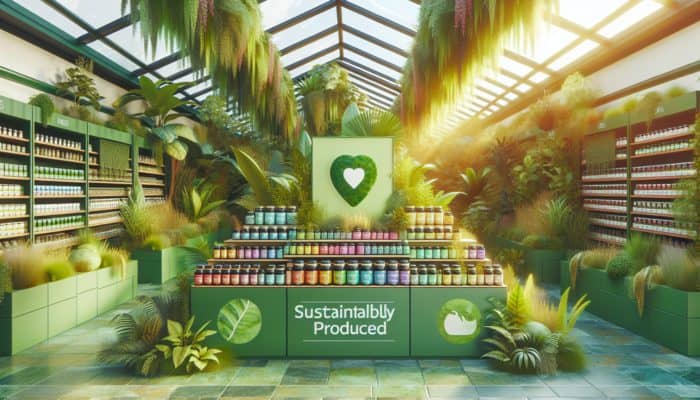
What Distinguishes Leading Brands in the Market?
A brand’s commitment to sustainability is crucial in differentiating it within a saturated market. Successful sustainable supplement brands adopt a comprehensive approach to sustainability, which encompasses not just their products but the entire ethos of the brand itself. A prime example is Garden of Life, celebrated for its focus on organic ingredients and transparent sourcing practices. Their unwavering dedication to sustainability has fostered a loyal customer base, demonstrating that consumers appreciate brands grounded in ethical principles.
Another remarkable brand is Athletic Greens, renowned for its commitment to high-quality, organic ingredients while prioritising environmental accountability. Their transparency regarding ingredient sourcing and dedication to sustainability initiatives deeply resonates with health-conscious consumers. These brands exemplify that sustainability is not just a marketing tactic but a fundamental aspect of their mission and identity.
Furthermore, brands like Sun Potion highlight adaptogenic herbs sourced from sustainable farms, reinforcing the connection between wellness and environmental stewardship. These exemplary brands effectively communicate their sustainability initiatives, empowering consumers to make informed choices aligned with their values.
How Do Brands Cultivate Transparency in Their Operations?
Transparency is vital for establishing trust with consumers in the sustainable supplement landscape. Brands that effectively communicate their sourcing, production methods, and environmental impacts can forge stronger relationships with their clientele. Key strategies for fostering transparency include:
- Open ingredient lists: Providing comprehensive information about every ingredient in their products to enhance consumer knowledge.
- Sourcing narratives: Sharing the stories behind the origins of ingredients and the processes involved in their harvesting and production.
- Lab testing results: Offering third-party lab results to validate product purity and potency, assuring consumers of quality.
- Environmental impact disclosures: Publicly sharing the brand’s carbon footprint and sustainability initiatives to promote accountability.
Brands such as New Chapter implement these practices to ensure consumers are well-informed about their purchasing choices. By prioritising transparency, these brands not only build consumer trust but also set a benchmark for industry practices, encouraging other brands to follow suit.
What Significance Do Certifications Hold Within the Supplement Industry?

Certifications serve as crucial validation tools for sustainable supplement brands, offering reassurance to consumers regarding a product's eco-friendliness. These certifications clarify the sustainability claims made by brands, providing tangible evidence of their practices. Key certifications to look for include:
- USDA Organic: Ensures that products meet rigorous organic farming standards, promoting environmental health.
- Non-GMO Project Verified: Confirms that products are free from genetically modified organisms, ensuring natural integrity.
- Fair Trade Certified: Guarantees that producers receive fair wages and work under ethical conditions, fostering social equity.
- Vegan Certified: Indicates that no animal-derived ingredients were used, and no animal testing occurred, aligning with ethical standards.
Brands like Nature’s Way and Vega leverage these certifications to bolster their credibility and reassure consumers of their commitment to sustainable practices. Certifications not only help maintain consumer trust but also compel brands to adhere to industry regulations and best practices, promoting a collective movement towards enhanced sustainability in the supplement sector.
How Can Consumers Actively Support Sustainable Brands?
Consumers play a pivotal role in promoting the shift towards sustainability by choosing brands that prioritise eco-friendly practices. Simple yet impactful actions can significantly influence market dynamics and encourage brands to embrace sustainable methods. These actions encompass:
- Researching brands: Taking the initiative to understand a brand’s commitment to sustainability and its ethical practices.
- Choosing certified products: Opting for brands that feature reputable sustainability certifications, ensuring informed choices.
- Spreading awareness: Educating friends and family about the advantages of sustainable supplements to foster a broader understanding.
- Engaging with brands: Providing feedback on sustainability practices or suggesting improvements to promote constructive dialogue.
By embracing these practices, consumers not only support existing sustainable brands but also help generate demand for more eco-friendly products in the marketplace. As awareness continues to grow, brands will be motivated to prioritise sustainability, leading to broader, positive changes throughout the industry.
What Future Trends Are Poised to Shape Sustainable Supplements?
The future of sustainable supplements is set to be influenced by emerging trends that prioritise eco-friendliness and innovation. Anticipated trends include:
- Plant-based ingredients: A notable increase in the popularity of plant-based supplements that advocate both health and environmental sustainability.
- Biodegradable packaging: A growing trend among brands to adopt packaging innovations that are biodegradable or compostable, reducing waste.
- Carbon-neutral production: An increasing number of brands committing to carbon-neutral manufacturing processes, minimising their ecological footprint.
- Supply chain transparency: Enhanced tracking and transparency throughout the supply chain to ensure ethical practices and accountability.
These evolving trends illustrate the supplement industry’s responsiveness to consumer demands and technological advancements. By embracing these innovations, brands can remain relevant and competitive while fostering a culture of sustainability that benefits both individuals and the planet.
What Are the Fundamental Manufacturing Processes Behind Sustainable Supplements?
What Key Manufacturing Steps Are Essential for Sustainability?
Implementing sustainable manufacturing practices is vital for minimising the environmental impact of supplement production. These processes focus on waste reduction and resource conservation throughout the entire manufacturing cycle. Key steps in sustainable manufacturing include:
- Renewable energy utilisation: Harnessing renewable energy sources such as solar or wind to power production facilities, thereby reducing reliance on fossil fuels.
- Water conservation measures: Employing techniques that minimise water usage during manufacturing processes, promoting resource efficiency.
- Recyclable materials: Choosing recyclable materials for production to foster circular economies and reduce waste.
- Lean manufacturing practices: Streamlining processes to eliminate waste and enhance efficiency, ensuring optimal resource utilisation.
Brands like NutraBio exemplify these practices, showcasing their commitment to reducing the carbon footprint associated with supplement manufacturing. By adopting sustainable manufacturing processes, brands can ensure their products are not only effective but also produced in a manner that promotes environmental health and sustainability.
What Innovative Eco-Friendly Packaging Solutions Are Emerging?
Packaging has a significant impact on the sustainability of supplements, often contributing notably to waste. Many sustainable supplement brands are now opting for eco-friendly packaging solutions that align with their environmental values. Strategies include:
- Biodegradable materials: Utilising packaging that naturally decomposes without harming the environment, thus reducing landfill contributions.
- Minimalistic packaging: Reducing excess packaging materials to limit waste and enhance product appeal.
- Recyclable options: Choosing materials that can be easily recycled after use, promoting responsible disposal practices.
- Refillable containers: Encouraging consumers to reuse containers through refill programs, fostering a culture of sustainability.
Brands such as Alter Eco and Kuli Kuli are leading the way in innovative packaging solutions that not only protect the product but also minimise environmental impact. The adoption of eco-friendly packaging strategies reflects a commitment to sustainability that resonates with eco-conscious consumers, reinforcing the brand’s competitive edge.
How Can Energy Efficiency Be Improved in Production Processes?
Energy efficiency is a crucial element of sustainable manufacturing in supplement production. Implementing energy-efficient production methods can significantly reduce the carbon footprint associated with supplement manufacturing. Effective strategies include:
- Energy-efficient machinery: Utilising advanced machinery that consumes less energy during production, contributing to cost savings and environmental benefits.
- Process optimisation: Streamlining production processes to enhance energy efficiency and reduce waste at every stage.
- Regular energy audits: Conducting assessments to identify areas for improvement in energy consumption, fostering continuous progress.
- Employee training: Educating staff on energy-saving techniques and the importance of sustainability, creating a culture of responsibility.
Brands like Garden of Life demonstrate a commitment to energy efficiency, showcasing innovative practices that reduce energy consumption while maintaining product quality. By prioritising energy-efficient production methods, brands can contribute to a more sustainable future, appeal to environmentally conscious consumers, and reduce operational costs.
What Strategies Can Be Employed for Sourcing Sustainable Ingredients?
The sourcing of sustainable ingredients is fundamental to the overall sustainability of the supplement manufacturing process. Brands that prioritise sourcing from responsible suppliers can significantly lessen their environmental impact. Common strategies for sustainable sourcing include:
- Direct trade relationships: Establishing direct partnerships with suppliers to ensure ethical practices and fair compensation.
- Local sourcing: Supporting local farmers and minimising transportation emissions, thereby enhancing community relationships.
- Seasonal sourcing: Utilising ingredients that are in season to reduce environmental impact and support local agriculture.
- Promoting biodiversity: Sourcing ingredients that support biodiversity and ecological balance, ensuring a healthier environment.
Brands like Wild Friends actively engage in sustainable sourcing practices, ensuring that their products are made from ethically sourced ingredients. By emphasising sustainable sourcing, brands can create a positive environmental impact while delivering high-quality products to consumers.
What Effective Waste Management and Reduction Strategies Exist?
Implementing effective waste management and reduction strategies is crucial for minimising the environmental impact of supplement production. Brands are increasingly adopting practices that focus on waste reduction, recycling, and responsible disposal. Key strategies include:
- Zero-waste initiatives: Implementing practices that aim for minimal waste generation during production, fostering a circular economy.
- Recycling programmes: Establishing initiatives to recycle materials used in manufacturing, promoting responsible disposal.
- Upcycling: Finding creative ways to repurpose waste materials into new products, reducing landfill contributions.
- Partnerships with waste management companies: Collaborating with experts to ensure responsible waste disposal and recycling practices.
Sustainable brands like Forager Project highlight the importance of effective waste management in their operations, emphasising the need to minimise waste at every stage of production. By prioritising waste management strategies, brands can contribute to a circular economy and promote sustainability throughout their supply chains.
What Are the Advantages of Choosing Sustainable Supplements?
How Do Sustainable Supplements Reduce Environmental Impact?
Choosing sustainable supplements can markedly diminish environmental impact, influencing everything from production methods to disposal practices. By opting for eco-friendly products, consumers actively contribute to healthier ecosystems. The benefits of selecting sustainable supplements include:
- Lower carbon emissions: Sustainable production processes typically lead to reduced greenhouse gas emissions, supporting climate action.
- Resource conservation: Sustainable sourcing practices ensure the responsible use of natural resources, preserving them for future generations.
- Reduced pollution: Manufacturing processes aligned with sustainability principles generally generate less waste and pollution, enhancing environmental quality.
- Support for ecosystems: Sustainable practices often promote biodiversity, helping to maintain healthy ecosystems and natural habitats.
Brands like Aloha are dedicated to minimising their environmental footprint, illustrating how sustainable supplements can contribute to a healthier planet. By endorsing sustainable practices, consumers can play a pivotal role in environmental conservation and encourage brands to emphasise sustainability.
What Health Benefits Are Associated with Sustainable Ingredients?
Sustainable ingredients are frequently linked to numerous health benefits, as they are generally cultivated using methods that prioritise environmental health. By choosing sustainable supplements, consumers can experience a variety of benefits associated with these ingredients. Key health advantages include:
- Higher nutrient density: Sustainably sourced ingredients are often richer in nutrients, leading to improved health outcomes and vitality.
- Reduced exposure to toxins: Organic and sustainably raised ingredients typically contain lower levels of synthetic chemicals, promoting overall well-being.
- Enhanced bioavailability: Natural ingredients sourced sustainably often exhibit higher bioavailability, allowing the body to absorb and utilise them more effectively.
- Improved gut health: Many sustainable supplements include prebiotics and probiotics that promote digestive wellness and overall health.
Brands like Moon Juice focus on incorporating sustainable ingredients that provide these health benefits, appealing to health-conscious consumers. By selecting sustainable supplements, individuals can enhance their health while positively impacting the environment.
What Ethical Business Practices Are Supported by Sustainable Choices?
By opting for sustainable supplements, consumers actively endorse ethical practices that promote social and environmental justice. This conscientious decision fosters a more responsible industry that values sustainability. Key ethical practices supported by consumers include:
- Fair labour practices: Supporting brands that ensure fair wages and safe working conditions for all employees, contributing to social equity.
- Community engagement: Encouraging brands to invest in local communities through responsible sourcing and support programmes.
- Animal welfare: Advocating for brands that adhere to ethical standards regarding animal treatment and testing, promoting humane practices.
- Environmental stewardship: Supporting brands that prioritise ecological health and aim to minimise their environmental footprint, contributing to a sustainable future.
Brands such as Ritual highlight their commitment to ethical practices, demonstrating how consumer choices can create a ripple effect in promoting a responsible industry. By supporting sustainable supplements, consumers can advocate for ethical practices and contribute to a more just and environmentally conscious world.
Strategic Recommendations for Sustainable Supplement Brands
How Can Brands Improve Their Sustainability Initiatives?
Brands seeking to elevate their sustainability can implement various innovative practices and technologies. Taking actionable steps towards sustainability not only benefits the environment but also fosters brand loyalty among consumers. Improvement strategies include:
- Conducting sustainability audits: Regularly evaluating practices to identify areas for enhancement and promote continuous improvement.
- Investing in renewable energy: Transitioning to renewable energy sources to reduce carbon emissions and support environmental initiatives.
- Strengthening supplier relationships: Collaborating with suppliers who share a commitment to sustainability, fostering ethical practices.
- Engaging in continuous improvement: Staying informed about new sustainable practices and technologies to maintain competitiveness.
Brands like NutraBlast exemplify these strategies by focusing on enhancing sustainability throughout their operations. As brands take deliberate steps to improve their sustainability, they will attract environmentally conscious consumers eager to support their initiatives.
What Is Involved in Establishing a Sustainable Supply Chain?
A sustainable supply chain is essential for reducing the environmental impact of supplement production. Brands that emphasise ethical sourcing and efficient logistics can substantially lower their carbon footprint. Key components of establishing a sustainable supply chain include:
- Supplier diversity: Collaborating with a wide range of suppliers to promote equitable practices and economic support.
- Efficient logistics: Streamlining transportation processes to minimise emissions and enhance efficiency, supporting sustainable practices.
- Traceability: Implementing systems to trace the origin of ingredients and ensure ethical sourcing, fostering transparency.
- Partnerships for sustainability: Collaborating with other organisations to promote sustainability throughout the supply chain, enhancing collective impact.
Brands such as HempFusion actively strive to develop sustainable supply chains, emphasising ethical practices throughout every aspect of the supply chain, from sourcing to distribution. By concentrating on sustainability within their supply chains, brands can cultivate a culture of responsibility and transparency that resonates with consumers.
What Are Effective Marketing and Consumer Education Strategies?
Effective marketing and consumer education are crucial for promoting sustainable supplements and influencing consumer choices. Brands must communicate their sustainability initiatives clearly and compellingly to engage their audience. Strategies include:
- Educational content: Providing informative resources about the importance of sustainable practices and their impact on health and the environment.
- Storytelling: Sharing the journey of product development, including sourcing and production practices, to foster connection.
- Social media engagement: Leveraging social platforms to connect with consumers and showcase sustainability efforts, enhancing brand visibility.
- Community involvement: Engaging with local initiatives to raise awareness about sustainability and environmental responsibility.
Brands like Ritual excel in this regard by creating educational resources that empower consumers to make informed decisions regarding sustainability. By prioritising marketing and consumer education, brands can effectively promote sustainable supplements and drive meaningful change within the industry.
What Does the Future Hold for Sustainable Supplements?
What Trends Are Shaping the Industry's Future?
Emerging trends in the supplement industry are driving innovation and sustainability, influencing how brands develop and market their products. These trends encompass:
- Personalisation: Customising supplements to cater to individual needs and preferences, while considering sustainability and health benefits.
- Functional foods: Integrating supplements with food products to amplify health benefits and enhance consumer appeal.
- Collaboration: Partnerships between brands and environmental organisations to promote sustainability initiatives and drive industry change.
- Technology integration: Leveraging technology to enhance supply chain transparency and efficiency, supporting sustainable practices.
These trends are reshaping the future of the supplement industry, prompting brands to continually innovate. By staying attuned to these trends, brands can remain competitive and meet the evolving demands of eco-conscious consumers.
What Innovations Are Emerging in Sustainable Ingredient Sourcing?
Innovations in sourcing and developing sustainable ingredients are crucial for the future of the supplement industry. These advancements create new opportunities for eco-friendly products. Notable developments include:
- Novel ingredient sourcing: Exploring underutilised plant species that offer sustainable benefits and nutritional value.
- Biotechnology: Employing biotechnological advancements to create sustainable ingredients more efficiently and responsibly.
- Upcycled ingredients: Incorporating by-products from other industries to create new supplement ingredients, reducing waste.
- Regenerative agriculture: Promoting practices that restore and enhance soil health, supporting environmental sustainability.
Brands like Kuli Kuli are at the forefront of innovation, introducing new sustainable ingredients that reflect a commitment to both health and environmental sustainability. By embracing these innovations, brands can continue to develop products that resonate with environmentally conscious consumers.
What Role Does Technology Play in Advancing Sustainability?
Technology plays an integral role in advancing sustainability within the supplement industry. By leveraging technology, brands can streamline processes and minimise their environmental impact. Key technological advancements include:
- Supply chain tracking: Utilising blockchain and other technologies to enhance supply chain transparency and accountability.
- Energy-efficient manufacturing: Implementing advanced machinery to reduce energy consumption and enhance production efficiency.
- Data analytics: Using data to optimise production processes and minimise waste, contributing to sustainability goals.
- Consumer engagement platforms: Developing platforms that educate consumers about sustainability and foster brand loyalty.
Brands such as NutraBio harness technology to elevate their sustainability initiatives, showcasing the transformative influence of innovation in the supplement sector. By embracing technology, brands can drive meaningful change and appeal to eco-conscious consumers.
What Are the Implications of Regulatory Changes on Sustainability?
Changing regulations are reshaping the future of sustainable supplements, compelling brands to adapt their practices for compliance and environmental accountability. Key regulatory trends include:
- Stricter labeling requirements: Increasing demands for transparency in ingredient sourcing and production practices to protect consumers.
- Environmental regulations: New laws focused on reducing pollution and promoting sustainable practices within the industry.
- Health claims regulations: Enhanced scrutiny of health claims made by supplement brands to ensure accuracy and safety.
- Incentives for sustainability: Government initiatives encouraging brands to adopt sustainable practices and support eco-friendly initiatives.
As regulations evolve, brands must remain vigilant and adaptable, ensuring compliance while promoting sustainability. Companies that embrace these changes position themselves favourably in a competitive market, attracting increasingly eco-conscious consumers.
How Is Consumer Demand Influencing Eco-Friendly Product Development?
Consumer awareness and demand for eco-friendly products are motivating brands to prioritise sustainability in their supplement offerings and marketing strategies. This growing demand is characterised by:
- Increasing eco-consciousness: Consumers actively seek sustainable options that align with their values and contribute to environmental health.
- The influence of social media: Online platforms amplify discussions surrounding sustainability, thereby influencing consumer choices and brand visibility.
- Desire for transparency: Consumers expect brands to be open about their sourcing and production practices, fostering trust.
- Preference for ethical brands: A tendency to support brands that demonstrate social and environmental responsibility in their operations.
Brands like Athletic Greens capitalise on this demand by prioritising sustainability in their messaging and product development. As consumer preferences continue to evolve, brands that align with these values will thrive in a marketplace increasingly defined by sustainability.
How Do Sustainable Supplements Affect the Environment?
What Strategies Are Effective for Minimising Carbon Footprint?
Sustainable supplements aim to significantly diminish their carbon footprint through various eco-friendly practices throughout their lifecycle. These efforts encompass every stage, from production to distribution. Key strategies include:
- Renewable energy sources: Utilising solar, wind, or other renewable energy in production to reduce reliance on fossil fuels.
- Optimised logistics: Streamlining transportation processes to minimise greenhouse gas emissions and enhance efficiency.
- Local sourcing: Reducing transportation distances by sourcing ingredients locally, thereby supporting local economies.
- Research and development: Investing in technologies that enhance energy efficiency and lower emissions, supporting sustainability goals.
Brands like Garden of Life actively engage in practices aimed at reducing their carbon footprint, showcasing their commitment to environmental responsibility. By implementing these strategies, sustainable supplements contribute to a healthier planet and a sustainable future.
What Waste Management and Recycling Initiatives Are Being Adopted in the Industry?
Implementing effective waste management and recycling initiatives is crucial for minimising the environmental impact of supplement production. Sustainable brands are increasingly adopting strategies that focus on waste reduction and responsible disposal. Key practices include:
- Composting: Utilising organic waste from manufacturing processes for composting rather than disposal, promoting sustainability.
- Recycling programmes: Implementing initiatives that encourage consumers to return packaging for recycling, fostering responsible consumer behaviour.
- Waste audits: Regularly conducting assessments to identify waste sources and areas for improvement, promoting accountability.
- Upcycling initiatives: Finding creative uses for waste materials to minimise landfill contributions and promote resourcefulness.
Brands like NutraBlast exemplify the importance of effective waste management, focusing on sustainable practices throughout their operations. By prioritising waste management and recycling, brands can significantly reduce their environmental footprint and promote sustainability.
What Are the Long-Term Environmental Benefits of Sustainable Supplements?
The long-term environmental benefits of sustainable supplements extend far beyond immediate impacts, contributing to broader ecological preservation. Key benefits include:
- Reduced pollution: Sustainable practices often lead to lower levels of pollution, improving air and water quality for future generations.
- Resource conservation: Emphasising responsible sourcing helps preserve natural resources for future generations, ensuring availability.
- Promoting biodiversity: Sustainable practices can enhance biodiversity and improve ecosystem health, fostering resilience.
- Climate resilience: Supporting sustainable agriculture contributes to climate resilience and adaptability, promoting long-term ecological health.
Brands like Kuli Kuli are committed to ensuring their practices yield long-term environmental benefits, thereby fostering a healthier planet for future generations. By prioritising sustainability, these brands help create a lasting impact that benefits both individuals and the environment.
How Do Sustainable Practices Foster Biodiversity?
Sustainable supplements often utilise ingredients that support biodiversity, which is vital for maintaining ecosystem health and species diversity. By thoughtfully sourcing ingredients, brands can promote biodiversity in several ways:
- Encouraging diverse crop cultivation: Sourcing from farms that promote a variety of crops fosters ecosystem balance and resilience.
- Supporting indigenous farming practices: Collaborating with local communities that value biodiversity and traditional methods, enhancing community ties.
- Investing in habitat restoration: Contributing to projects that restore natural habitats affected by agricultural practices, promoting ecological recovery.
- Utilising sustainable harvesting methods: Ensuring that harvesting practices do not deplete natural resources, supporting long-term sustainability.
Brands like Nature’s Way actively engage in practices that promote biodiversity while ensuring the sustainability of their ingredient sourcing. By emphasising biodiversity, these brands contribute to healthier ecosystems and reinforce the importance of environmental stewardship.
What Drives Consumer Trends and Preferences in Supplements?
What Factors Influence Consumer Choices in Supplements?
Consumer choices in supplements are increasingly influenced by sustainability, reflecting a broader trend towards environmental responsibility. Factors driving these choices include:
- Environmental awareness: Consumers are more informed about their ecological impact and prioritise sustainable options in their purchasing decisions.
- Health consciousness: A belief that sustainable products are better for personal health and well-being, enhancing overall quality of life.
- Social responsibility: A preference for brands that demonstrate ethical sourcing and production practices, aligning with consumer values.
- Influence of peer recommendations: Recommendations from friends and family can sway consumer decisions towards sustainable brands, fostering community engagement.
As consumers become more discerning, brands that emphasise sustainability possess a significant opportunity to influence purchasing decisions. By aligning their practices with consumer values, brands can cultivate loyalty and appeal to eco-conscious shoppers.
How Does Brand Loyalty Impact the Sustainable Market?
Brand loyalty plays a vital role in shaping consumer preferences, especially in the sustainable supplement sector. Consumers are more inclined to remain loyal to brands that prioritise sustainability, creating a cycle of positive reinforcement. Factors contributing to brand loyalty include:
- Consistent messaging: Brands that consistently communicate their sustainability efforts are more likely to foster customer loyalty and trust.
- Product quality: High-quality, effective products build trust and encourage repeat purchases, reinforcing consumer commitment.
- Customer engagement: Active engagement with consumers can strengthen brand relationships and loyalty, creating a sense of community.
- Community involvement: Brands that participate in local initiatives often enjoy stronger loyalty from consumers, enhancing brand reputation.
Brands like Ritual exemplify how a commitment to sustainability can foster loyal customer relationships. By emphasising shared values and fostering community connections, brands can strengthen their market position and retain loyal customers.
How Do Consumers Access Information About Sustainable Supplements?
Consumers access information about sustainable supplements through various channels, enabling them to make informed purchasing decisions. Key avenues for information access include:
- Online reviews: Consumers often rely on reviews and testimonials to assess product effectiveness and sustainability, guiding their choices.
- Brand websites: Many brands provide detailed information about their sourcing and sustainability practices on their websites, enhancing transparency.
- Social media: Platforms such as Instagram and Facebook facilitate the sharing of information and brand engagement, fostering community dialogue.
- Educational content: Blogs, articles, and videos help consumers learn more about sustainability and its significance in their purchasing decisions.
Brands that prioritise transparency and engage with consumers through these channels can enhance their credibility and foster trust among consumers. By providing accessible information, brands empower consumers to make informed choices aligned with their values.
Frequently Asked Questions about Sustainable Supplements
What Defines Sustainable Supplements?
Sustainable supplements are products created with environmental and ethical considerations, aiming to minimise ecological impact while promoting health and well-being.
Why Is Ingredient Sourcing Crucial for Sustainability?
Sourcing is vital, as it affects the environmental impact of ingredients and influences the overall sustainability of the supplement.
In What Ways Can Consumers Support Sustainable Brands?
Consumers can support sustainable brands by selecting products with robust sustainability practices, sharing knowledge, and encouraging others to prioritise eco-friendly options.
Which Certifications Should I Look for in Supplements?
Seek certifications such as USDA Organic, Non-GMO Project Verified, and Fair Trade Certified to ensure a product's sustainability claims are credible.
What Are the Benefits of Choosing Sustainable Supplements?
Choosing sustainable supplements can lead to a reduced environmental impact, health benefits from high-quality ingredients, and support for ethical practices in sourcing and production.
How Do Brands Maintain Transparency?
Brands maintain transparency by openly communicating about ingredient sourcing, production practices, and environmental impact, often through detailed labelling and consumer outreach.
What Trends Are Shaping the Future of Sustainable Supplements?
Emerging trends include the use of plant-based ingredients, biodegradable packaging, carbon-neutral production, and increased transparency in supply chains.
How Do Sustainable Supplements Contribute to Biodiversity?
Sustainable supplements often utilise ingredients sourced from diverse crops and promote practices that support ecosystem health, contributing to biodiversity conservation.
What Role Does Technology Play in Enhancing Sustainability?
Technology enhances sustainability by optimising supply chain processes, improving energy efficiency, and facilitating transparency in ingredient sourcing.
How Can Brands Enhance Their Sustainability Practices?
Brands can enhance their sustainability efforts by conducting thorough sustainability audits, investing in renewable energy sources, and fostering supplier relationships founded on ethical principles.
Connect with us on Facebook!
The Article Sustainable Supplement Brands to Watch: Top Picks appeared first on https://athleticsupplement.com
The Article Sustainable Supplement Brands: Must-Watch Top Picks Was Found On https://limitsofstrategy.com