Last Updated on November 26, 2025 by David
Master the Art of Achieving the Signature Wet Look on Your Natural Slate Flooring
-
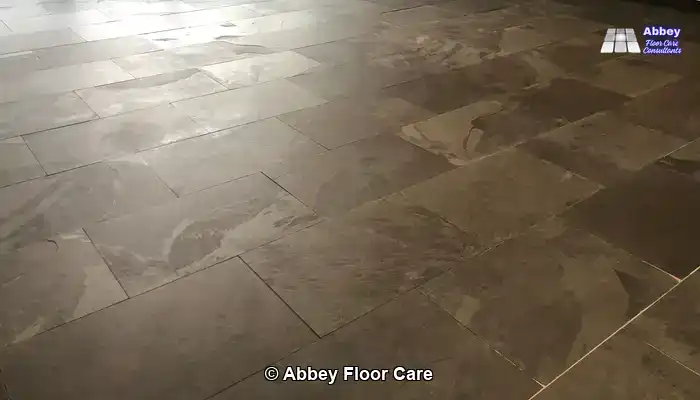
Understanding the Signature Wet Look Finish on Slate: This section delves into how Colour-enhancing sealers establish a chemical bond with natural slate flooring, resulting in a robust and striking “wet look” that intensifies colour vibrancy while enhancing resistance to everyday wear. This finish is perfect for diverse settings, including kitchens, hallways, patios, and outdoor areas, ensuring your slate flooring retains its stunning aesthetic appeal no matter the environment.
-
Identifying Causes of Slate Colour Loss and Effective Restoration Solutions: This part investigates why slate tiles may lose their vibrant hues over time and highlights how Abbey Floor Care’s expert application of colour-enhancing sealers can restore their original brilliance. It includes advice on selecting from various finish types—matte, satin, and gloss—allowing homeowners to choose the perfect aesthetic that complements their interior design.
-
Recommended Maintenance Practices for Long-lasting Wet Look: This section offers insights into the critical importance of resealing your slate floor every 3–5 years with pH-neutral cleaners. It advises against using acidic or abrasive products to maintain the wet look effectively. Such diligent maintenance not only guarantees enduring protection but also enhances the visual appeal, ensuring that your slate flooring continues to look stunning for many years to come.
-
Addressing Common Questions About Wet Look Finishes: This section answers frequently asked questions regarding slipperiness, reversibility, and costs associated with the project in the Surrey area, along with other pertinent floor-care topics, equipping homeowners with the essential knowledge needed to make informed decisions about their slate flooring.
Natural slate exudes a timeless charm; however, its beauty can fade due to daily wear and tear. Homeowners throughout Surrey often desire their slate floors to appear deeper, darker, and glossier—akin to the look of freshly washed tiles that are yet to dry. Achieving this sought-after aesthetic, known as the “wet look,” can be accomplished through the application of specific sealing products. Unlike standard sealers that merely protect the surface, colour-enhancing sealers actively enhance the inherent tones of the stone while imparting a subtle sheen. This comprehensive guide elucidates the principles behind achieving the wet look, the products that facilitate this transformation, and effective strategies for maintaining it over time.
Expert Tip: Essential Products for Daily Grout Maintenance Cleaning
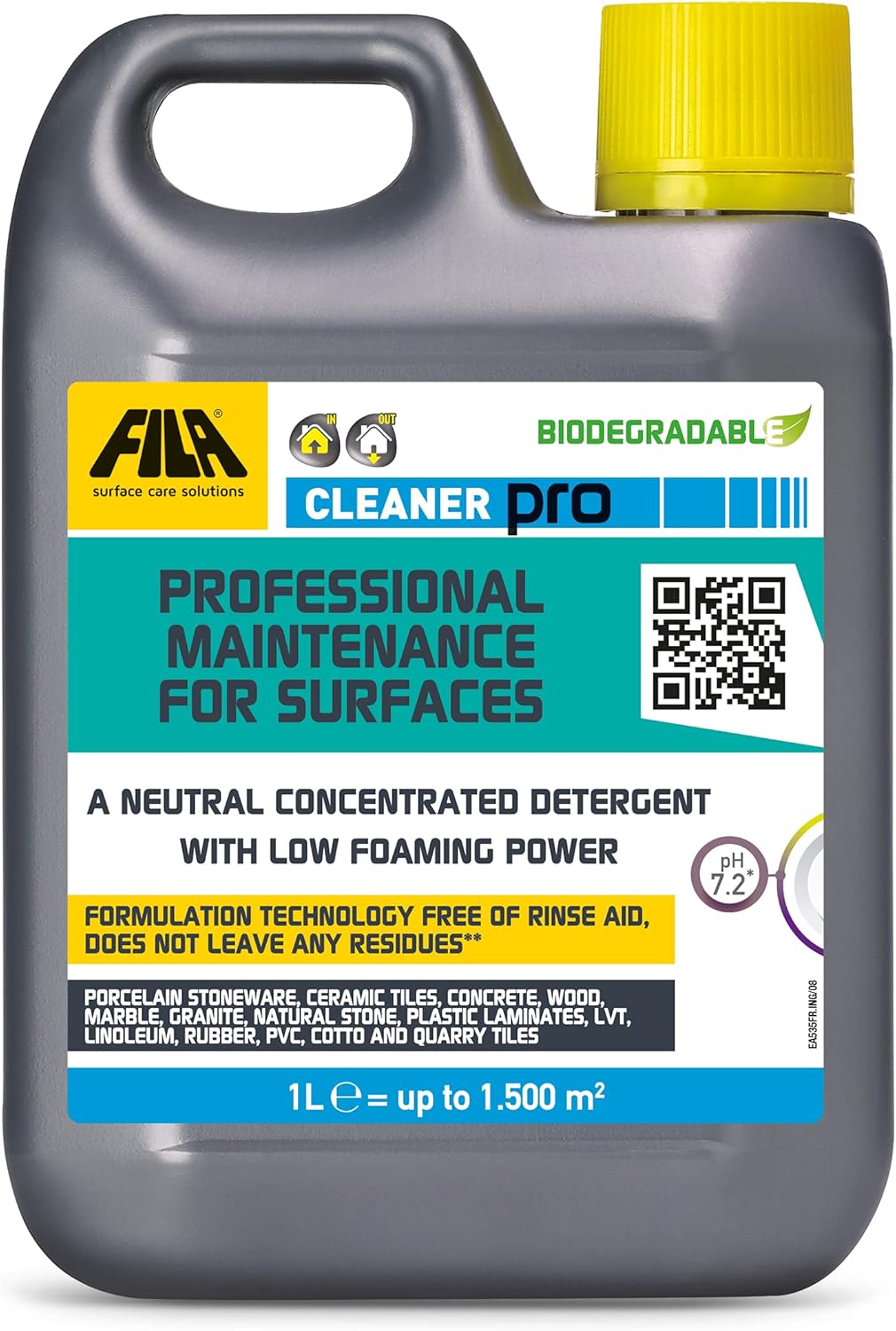
Fila Pro Floor Cleaner
|
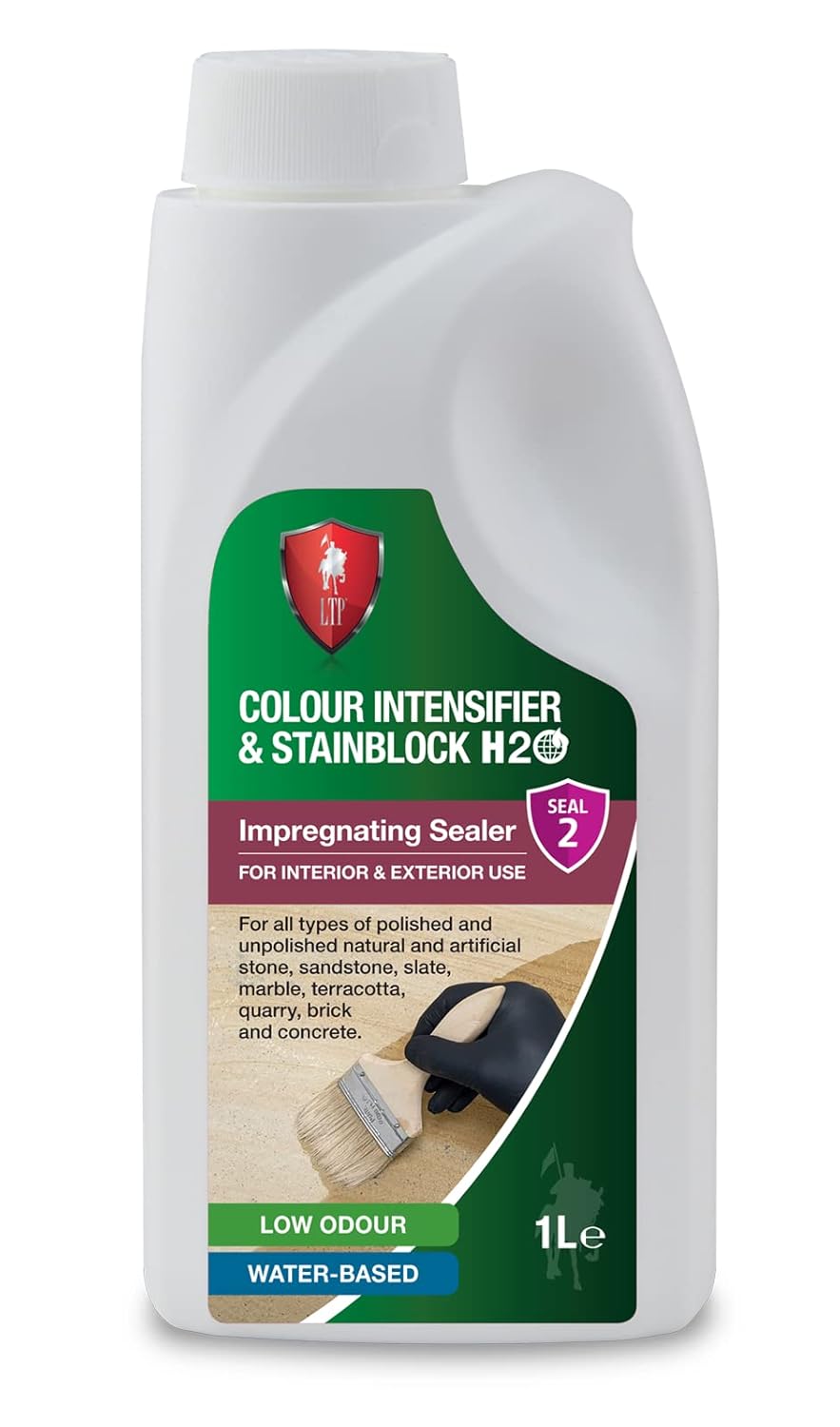
LTP Colour Intensifier & Stainblock H20
|
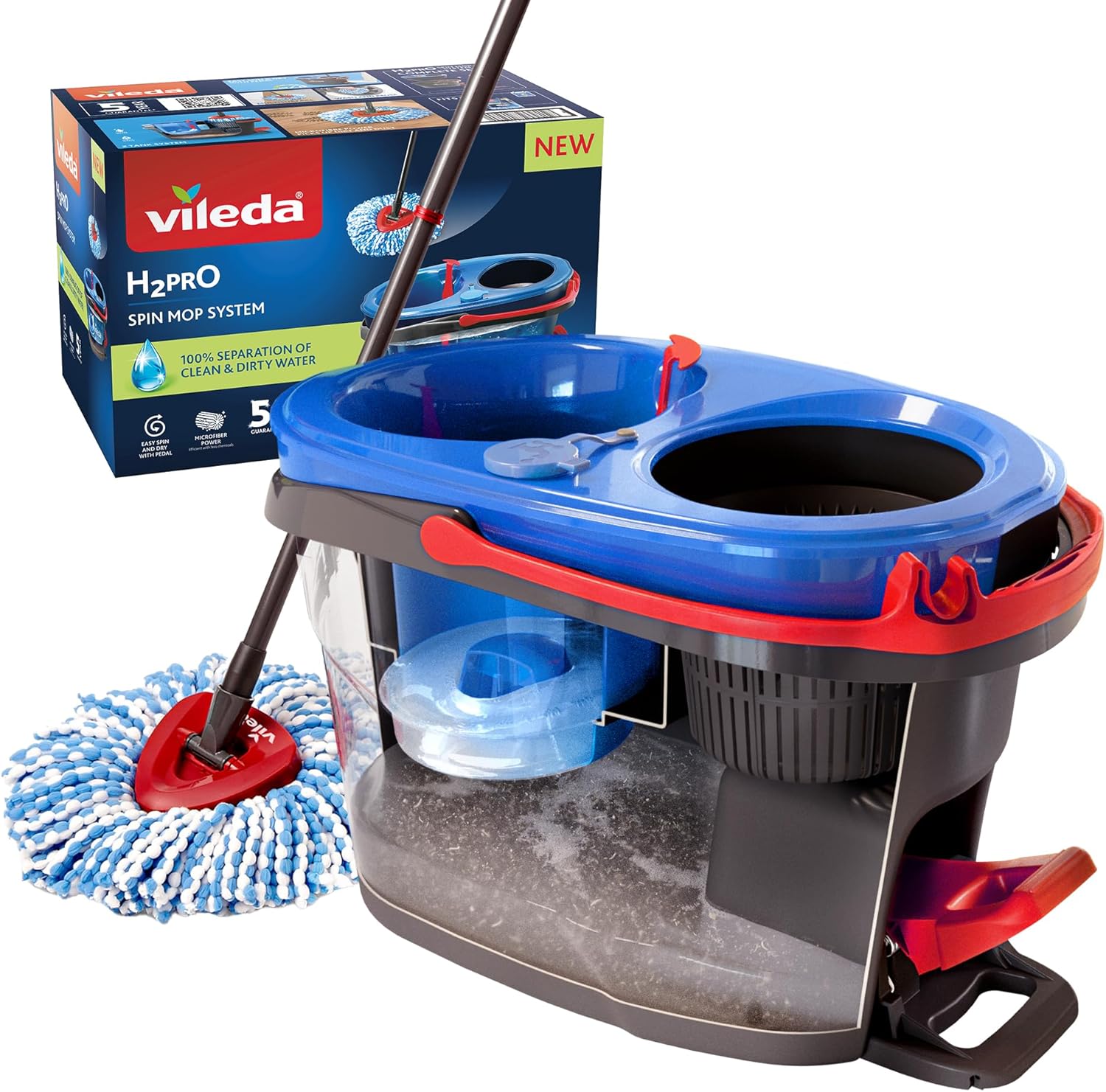
Vileda H2PrO Spin Mop System
|
What Do Homeowners Mean by a “Wet Look” Finish?
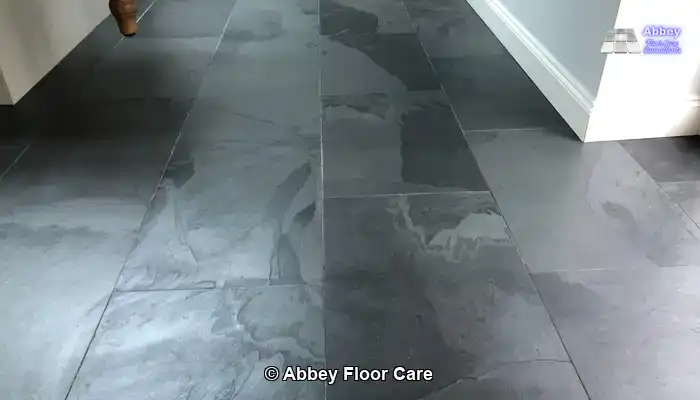
Exploring the Gloss, Depth, and Colour Restoration of Slate Flooring
The wet look is not merely about high shine or artificial gloss. It focuses on restoring the depth and richness of the natural colour found in Slate. When left dry, Slate can appear pale, chalky, and uneven. However, when wet, its tones deepen, become more vibrant, and visually appealing. Homeowners aiming for a damp appearance usually desire enhanced colour without creating a slippery surface. The appropriate sealer accentuates the stone’s unique features while protecting it from stains and wear.
Why Do Slate Tiles Lose Their Colour Over Time?
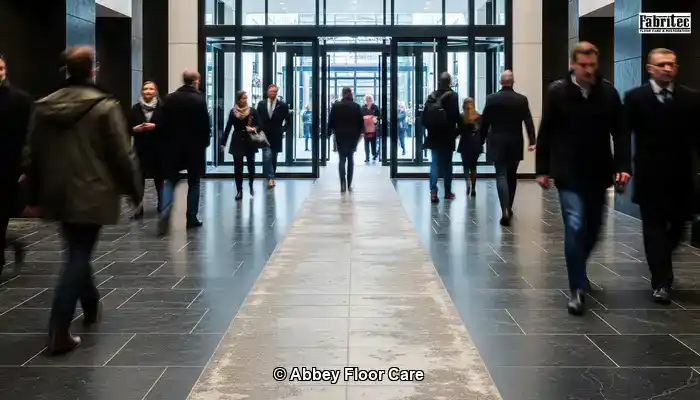
Understanding Natural Stone Characteristics and Surface Dulling
Slate is a metamorphic stone recognised for its layered minerals, which give it rich and varied tones. However, these tones are most vivid when the surface remains wet or freshly sealed. Over time, foot traffic, cleaning agents, and exposure to air can dull the surface. This process is not indicative of damage but rather a natural effect of wear. As the stone’s pores open, fine particles settle within, leading to a pale or uneven appearance. Without enhancement, slate can lose the depth and contrast that make it visually striking.
Comparing Standard Sealers with Enhancing Sealers for Optimal Results
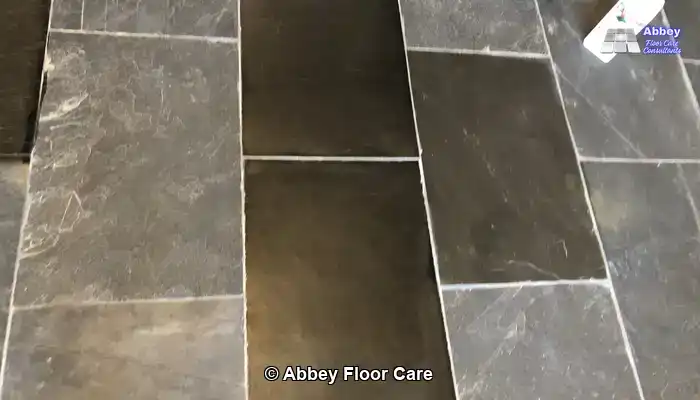
Differences Between Penetrating Sealers and Topical Coatings Explained
Standard sealers are designed to protect stone from moisture and staining. Most of these are penetrating sealers, which infiltrate the surface to create an invisible barrier. While these products help maintain the stone’s integrity, they do not significantly alter its appearance. In contrast, topical coatings rest upon the surface and can enhance gloss; however, they may wear unevenly and could peel away over time. For homeowners desiring a wet look, relying solely on penetrating sealers will not achieve the desired visual effect.
The Function of Enhancing Sealers and Activation of Natural Pigments
Colour-enhancing sealers combine protective functions with aesthetic enhancements. They penetrate the stone like standard sealers while activating the natural pigments within the slate. This activation process intensifies the colour, enhances contrast, and creates a subtle sheen that mimics the appearance of wet stone. Unlike topical coatings, enhancing sealers bond with the stone, ensuring consistent wear over time. For homes in Surrey featuring slate floors, this method offers both beauty and durability.
Understanding the Mechanism of Colour-Enhancing Sealers for Slate
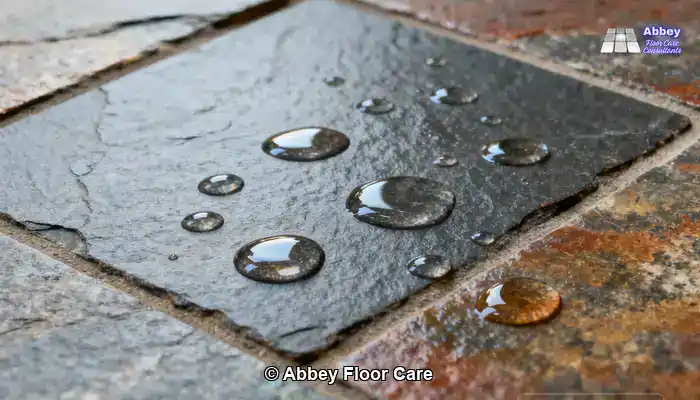
Examining the Chemical Bonding Process and Water Resistance Benefits
Colour-enhancing sealers penetrate the slate surface and create a bond with the stone’s internal structure. This chemical bond establishes a water-resistant layer that effectively repels moisture and staining agents from entering the pores. Unlike surface coatings that may peel or flake, enhancing sealers integrate seamlessly with the stone itself. This characteristic makes them particularly suitable for areas exposed to spills, routine cleaning, or high foot traffic. The final appearance is a wet look that remains dry and durable underfoot.
Assessing Visual Impact and Long-Term Performance of Enhancing Sealers
Upon application, the sealer activates the stone’s natural pigments, resulting in deeper tones and richer contrast. This visual enhancement is both immediate and enduring. Since the product is absorbed into the slate, it wears evenly, preventing patchy areas. Homeowners aiming for a consistently wet look across their flooring will find that enhancing sealers provide both aesthetic appeal and practical protection. With proper care, this finish can last for years without fading or losing its charm.
Selecting the Ideal Finish for Your Slate Floor: What You Need to Know
Comparing Matte, Satin, and Gloss Finishes for Slate Floors
Colour-enhancing sealers come in a variety of finish levels. A matte finish amplifies the colour without adding shine, making it an excellent choice for rustic or traditional interiors. Satin finishes offer a subtle sheen that captures light without appearing artificial, while gloss finishes provide a striking wet look, often preferred in modern or high-impact spaces. The choice ultimately depends on your design vision and the level of visual emphasis you wish to place on the stone’s texture and tone.
Matching the Finish to Room Functionality for Optimal Aesthetic Appeal
In high-traffic areas such as kitchens and hallways, a satin or matte finish may be more practical. These finishes enhance the stone’s appearance without drawing attention to wear or smudges. Conversely, gloss finishes are perfect for focal points like entranceways or decorative hearths, where the goal is to create a striking visual effect. For homeowners in Surrey, selecting the appropriate finish requires balancing aesthetics with practical use, ensuring the floor complements the overall ambiance of the space.
Identifying Areas Where Wet Look Finishes Shine the Brightest
Enhancing Kitchens, Hallways, and Feature Floors for Maximum Impact
Slate floors in kitchens and hallways often show signs of wear due to foot traffic and cleaning routines. A wet look finish revitalises depth and colour, making these busy areas appear more polished and cohesive. In feature areas such as entranceways or open-plan living spaces, the enhanced tones create a visual impact and help define the area. This finish not only protects the surface but also elevates the overall aesthetic of the flooring.
Revitalising Outdoor Slate and Patio Spaces for Enhanced Curb Appeal
Outdoor slate can look faded after prolonged exposure to rain, sunlight, and seasonal changes. Colour-enhancing sealers aid in revitalising the stone’s natural hues while protecting it from moisture ingress. While the wet look may be subtler outdoors, it still adds richness and contrast. For Surrey homeowners with garden paths, patios, or outdoor steps, sealing provides both aesthetic and functional benefits, especially when combined with slip-resistant treatments.
What is the Longevity of a Wet Look Finish on Slate Flooring?
Maintenance Guidelines and Recommended Resealing Intervals
A wet look finish achieved with a colour-enhancing sealer can last several years, depending on foot traffic and cleaning practices. In a typical Surrey household, resealing every 3 to 5 years is recommended to maintain both the visual impact and protective qualities. To extend the life of the finish, use pH-neutral cleaners and avoid abrasive pads or acidic products. Regular sweeping and promptly addressing spills also play a vital role in preserving the sheen. When the slate starts to look dull or begins absorbing water rapidly, it is a clear sign that resealing is necessary.
Addressing Common Concerns of Surrey Homeowners Regarding Slate Flooring
Will the Finish Make the Floor Slippery? Understanding Safety Features
Most colour-enhancing sealers are specifically formulated to enrich the colour without making the surface slick. A wet look does not equate to a damp feel; the finish remains dry to the touch and is safe for walking. In areas where slip resistance is crucial, such as bathrooms or outdoor steps, additional treatments can be applied to ensure grip while maintaining aesthetic appeal.
Can I Reverse the Wet Look Effect Later? Exploring Reversibility Options
Reversing a wet-look finish is possible but requires stripping the existing sealer and applying a different product. This process can be labor-intensive and may not fully restore the original appearance. Therefore, it is essential to make a thoughtful decision regarding your finish. If you have doubts, starting with a satin or matte enhancer allows for flexibility without committing to a high-gloss finish.
What Are the Typical Costs for Wet Look Finishing in Surrey?
Costs vary based on the size of the area, the condition of the slate, and the finish selected. In Surrey, homeowners typically invest in wet look sealing as part of a broader restoration or aesthetic upgrade. While enhancing sealers might be more expensive than basic options, they offer longer-lasting results and a more dramatic transformation. For feature floors or high-visibility areas, the value is both visual and practical.
The Article Achieving the Signature Wet Look on Natural Slate Flooring first found on https://www.abbeyfloorcare.co.uk
The Article Signature Wet Look on Natural Slate Flooring Achieved appeared first on https://fabritec.org
The Article Achieving a Signature Wet Look on Natural Slate Flooring Was Found On https://limitsofstrategy.com