Comprehensive Overview of FBC Testing in Oldham
What is the Purpose of an FBC Test?
Private FBC Test in Oldham: The Full Blood Count (FBC) test is a vital medical procedure that involves the analysis of a blood sample to identify various health conditions. In the UK, it is crucial for diagnosing issues such as anaemia, infections, and various blood disorders. The main components examined in this test include:
- Red blood cells
- White blood cells
- Platelets
- Haemoglobin levels
This thorough analysis provides essential insights into a patient’s overall health, allowing healthcare professionals to make informed decisions regarding further investigations or tailored treatments.
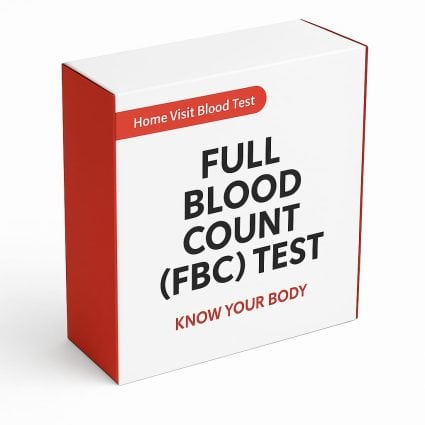

FBC testing is a routine procedure in UK clinics and is essential for ongoing health monitoring. By evaluating various blood components, it facilitates the early detection of common ailments, greatly improving treatment outcomes. The availability of these tests at local facilities encourages regular health checks, contributing to enhanced public health.
What Are the Key Features and Advantages of the FBC Test?
FBC tests in the UK are specifically designed to monitor multiple health aspects by analysing blood cell components. This testing method follows standardised procedures, ensuring that patients receive timely and accurate results across different healthcare facilities. The test provides crucial information regarding a patient’s immune system, oxygen-carrying capacity, and overall health status.
FBC testing also plays a vital role in preventative healthcare strategies. Regular testing can reveal potential health concerns before they develop into more serious issues, allowing for timely intervention. This proactive approach supports individual health management while furthering broader public health goals established by the National Health Service (NHS).
How Can Patients Prepare for an FBC Test?
Before undergoing an FBC test in UK hospitals, patients generally receive guidance to fast for a specified duration and ensure proper hydration. Fasting eliminates any dietary effects on the blood sample, leading to more accurate results. Healthcare professionals often provide tailored advice regarding dietary modifications prior to the test, which is essential for optimal outcomes.
Staying hydrated is equally important, as it makes blood collection easier. Patients should inform their healthcare provider about any medications they are taking, as some can affect the test results. Following these preparatory tips can significantly increase the reliability of the FBC test and ensure accurate results are achieved.
What Steps Are Involved in Conducting an FBC Test?
What Safety Measures Are Implemented During Testing?
Safety measures are of utmost importance during FBC testing in UK laboratories. Procedures prioritise patient safety by using sterile equipment and trained professionals to minimise risks. Regulated protocols ensure that the testing environment adheres to strict hygiene standards, which is critical for obtaining reliable results and maintaining patient health.
Healthcare facilities in Oldham and across the UK provide extensive safety training for staff involved in testing. This training encompasses proper blood sample handling, disposal of biohazard waste, and maintaining a clean environment, all contributing to the overall safety and effectiveness of the FBC test.
What Equipment is Necessary for the FBC Testing Process?
The equipment used in FBC testing is specifically designed to improve diagnostic accuracy and efficiency. Key tools in this process include automated analysers and sample tubes, which enable precise measurements of various blood components. These instruments are essential in UK practices, ensuring that results are both accurate and timely, which is vital for effective patient care.
To automated analysers, laboratories may use a variety of reagents and calibration standards to ensure the reliability of test results. Advances in blood testing technology have significantly enhanced the speed and accuracy of the FBC, establishing it as a crucial tool in modern healthcare.
What is the Typical Duration of the FBC Testing Procedure?
The FBC test is a relatively quick procedure, usually taking only a few minutes for sample collection. Once the blood sample is obtained, it is processed swiftly through laboratory systems, allowing for rapid results. This efficiency makes FBC testing a convenient choice for routine health assessments in the UK.
Patients appreciate the minimal disruption the test entails, as it can be seamlessly integrated into regular healthcare routines. Quick turnaround times for results enable healthcare providers to address any health concerns that may arise from the findings promptly, fostering timely interventions for patient wellbeing.
Professional Insights on FBC Testing in Oldham
How Do Healthcare Professionals Accurately Interpret FBC Results?
Interpreting the results of an FBC test requires a thorough understanding of the various indicators that reflect health trends. In the UK, healthcare professionals are trained to analyse these results and provide valuable insights to inform treatment decisions. For example, a low red blood cell count may indicate anaemia, while a high white blood cell count could suggest an infection.
Real-world clinical examples highlight the importance of accurate interpretation. For instance, a patient presenting with fatigue may have an FBC performed, revealing low haemoglobin levels, which prompts further investigation into potential underlying causes. Such insights are critical for effective patient management and treatment planning, ensuring that individuals receive the necessary care.
What Role Does FBC Testing Have in Preventive Healthcare?
The FBC test is essential to preventive healthcare initiatives within the UK medical system. Monitoring vital signs and blood components facilitates early intervention for various health issues. Regular FBC testing can identify potential problems before they escalate, supporting evidence-based proactive wellness strategies that benefit both patients and public health.
Experts assert that incorporating FBC testing into routine health assessments is vital for maintaining overall health. The test not only aids in the early detection of conditions but also empowers patients to take control of their health through informed decision-making, fostering a culture of proactive health management.
What Advanced Applications Does FBC Testing Have in Healthcare?
FBC testing has advanced uses in specialised treatments within the UK healthcare sector. Experts recommend integrating FBC results with other diagnostic tests for a comprehensive understanding of a patient’s health status. This holistic approach allows healthcare providers to customise interventions based on a patient’s unique needs, resulting in more effective treatment plans.
For instance, combining FBC results with metabolic panels can provide deeper insights into a patient’s nutritional status and organ function. Such integrated diagnostics enhance the quality of care and support more effective treatment strategies, ultimately benefiting patient outcomes and overall health.
How is Accuracy Preserved in FBC Testing Procedures in Oldham?
In Oldham, ensuring the accuracy of FBC tests is a priority for healthcare professionals. Factors influencing test accuracy include sample handling, environmental conditions, and laboratory staff training. Experts advocate for best practices in sample collection and processing to reduce errors and enhance diagnostic reliability.
Quality control measures are essential for maintaining the integrity of test results. Regular training programmes for laboratory personnel, alongside strict adherence to testing standards, contribute to the overall accuracy of FBC tests in the region. This commitment to quality ensures that patients receive trustworthy results for effective diagnosis and treatment.
What Effective Patient Education Strategies Are Used for FBC Testing?
Educating patients about FBC tests is a key focus for specialists in Oldham. Clear explanations improve understanding and encourage proactive health management. This aligns with NHS policies that advocate for informed choices and personalised care plans, empowering patients to engage actively in their health journeys.
Healthcare providers frequently employ various educational resources to clarify the importance of FBC tests. By addressing common questions and concerns, they enhance patient confidence and compliance, leading to improved overall health outcomes and a greater commitment to regular health monitoring.
What Benefits Does the FBC Test Offer Patients?
What Are the Key Health Monitoring Benefits of FBC Testing?
The FBC test provides significant health-monitoring advantages in UK medical practice. By offering ongoing insights into a patient’s blood composition, it aids in tracking conditions such as fatigue, infections, and other health issues. Regular testing allows healthcare providers to manage these conditions more effectively and adjust treatment plans as needed based on the results.
Patients benefit from proactive monitoring enabled by FBC tests, as they can detect potential health issues early. This early detection is crucial for preventing complications and ensuring timely interventions, ultimately leading to improved health outcomes and a higher quality of life for individuals.
What Are the Potential Risks and Mitigations Linked to FBC Testing?
While FBC testing is generally safe, there are some potential risks. In UK practices, side effects such as bruising or discomfort at the needle site are minimal and usually resolve quickly. Skilled procedures and trained staff help to mitigate these risks, ensuring patient comfort throughout the process.
Healthcare providers are dedicated to maintaining a safe testing environment. By following established protocols and employing best practices, they can minimise any adverse effects associated with FBC testing, allowing patients to undergo the procedure with confidence and assurance.
How Does FBC Testing Influence Long-Term Health Outcomes for Patients?
FBC testing significantly enhances long-term health outcomes within UK populations. By detecting imbalances or abnormalities early, healthcare professionals can implement tailored interventions that improve quality of life. Regular testing supports a proactive approach to health management, reducing the likelihood of developing serious conditions.
The long-term benefits of FBC testing include:
- Disease prevention
- Better management of chronic conditions
- Improved treatment outcomes
- Enhanced patient engagement in health
Such advantages emphasise the importance of integrating FBC tests into routine healthcare practices, nurturing a culture of preventive care that ultimately leads to healthier communities.
Effective Strategies for Preparing for an FBC Test
What Lifestyle Recommendations Should Patients Follow Before the Test?
Experts recommend several lifestyle adjustments before undergoing an FBC test in the UK. For optimal results, patients should avoid certain foods and beverages that could affect their blood composition, including fatty foods and alcohol for a period prior to the test.
To dietary changes, maintaining a healthy lifestyle is beneficial. Regular exercise, sufficient sleep, and effective stress management can positively influence blood health. These pre-test lifestyle strategies help ensure that the FBC results accurately reflect the patient’s health status and promote overall well-being.
Why is Follow-Up Important After an FBC Test?
After completing an FBC test, patients in the UK are encouraged to consult their healthcare specialists to discuss their results. This follow-up is crucial as it allows for a discussion regarding findings and any necessary modifications to health management plans. Specialists can offer guidance based on test results, ensuring that patients understand their implications for their health.
Implementing recommended changes based on FBC findings is vital for ongoing health. Whether it involves dietary changes, lifestyle modifications, or further testing, this collaborative approach enhances patient care and supports better health outcomes for all individuals.
How Can FBC Testing Be Combined with Other Diagnostic Assessments?
FBC testing can be effectively integrated with other diagnostic assessments in UK health evaluations. Experts advise coordinating FBC tests with screenings for conditions such as diabetes or cholesterol levels to provide a more comprehensive view of a patient’s health. This integrative approach enhances diagnostic value and supports more informed healthcare decisions based on a holistic view of health.
By considering FBC results alongside other test outcomes, healthcare providers can develop more personalised treatment plans. This holistic perspective on patient health is essential for addressing complex health issues and promoting overall wellness in the community.
What Makes FBC Testing in Oldham the Right Choice?
How Convenient is FBC Testing for Local Residents?
FBC testing is readily accessible for residents in Oldham, making it a practical choice for community health needs. Local healthcare services provide straightforward pathways for patients to undergo testing without significant barriers. This accessibility ensures that individuals can prioritise their health without unnecessary stress or complications.
The convenience of FBC testing in Oldham leads to higher participation rates in health assessments. When testing is easily available, more people are likely to take advantage of these services, resulting in improved health outcomes for the community as a whole.
Are There Cost-Effective Options for FBC Testing in the UK?
FBC testing in the UK is often cost-effective, particularly through public health schemes. This affordability allows more individuals to access essential health checks without financial burden. The NHS offers these services as part of its commitment to public health, making FBC testing accessible to numerous residents.
Patients can take comfort in knowing that regular health monitoring is financially feasible. This cost-effective approach encourages proactive health management and motivates individuals to seek necessary medical evaluations for their well-being.
What Contributes to Patient Satisfaction with FBC Testing?
Several factors influence patient satisfaction with FBC testing in Oldham. Feedback from patients highlights the importance of efficient processes and clear communication throughout the testing experience. These elements significantly enhance overall patient satisfaction and encourage continued engagement with healthcare services.
Healthcare providers strive to improve the testing experience by ensuring that patients feel informed and supported. By prioritising patient needs and addressing concerns, they can cultivate a positive environment that encourages individuals to take responsibility for their health and well-being.
Who Are the Qualified Healthcare Professionals Administering FBC Tests?
In Oldham, FBC tests are performed by highly trained medical staff committed to delivering accurate results and expert guidance. This level of professionalism guarantees that patients receive reliable diagnostics and personalised support for effective health management. The expertise of healthcare professionals is essential in interpreting results and advising treatment options.
Patients can trust the quality of care they receive during FBC testing. The dedication of healthcare providers to maintaining high standards contributes to improved patient outcomes and overall satisfaction with the healthcare experience.
How Does FBC Testing Integrate with Comprehensive Health Services?
FBC testing in Oldham integrates seamlessly with other health services, promoting a holistic approach to patient care. This integration facilitates follow-up treatments and preventive measures that enhance overall well-being. By collaborating across various healthcare disciplines, providers can ensure that patients receive thorough support tailored to their needs.
The interconnectedness of FBC testing with other health services is essential for maintaining continuity of care. This approach not only improves health outcomes but also fosters a supportive environment for patients navigating their health journeys.
Common Questions Regarding FBC Testing
How Frequently Should FBC Testing Be Conducted for Optimal Health Monitoring?
What is the recommended frequency for an FBC test? In the UK, it is generally advised to undergo an FBC test annually or as needed based on individual health profiles. Regular testing supports proactive monitoring of health status, ensuring that any potential issues are identified promptly.
How Can Patients Interpret Their FBC Results?
Understanding FBC reports in the UK context involves knowing the normal ranges for various blood components. Healthcare providers clarify these ranges to enable patients to make informed decisions about their health. Common result indicators include:
- Haemoglobin levels
- White blood cell count
- Platelet count
- Red blood cell count
What Alternatives to FBC Testing Should Patients Consider?
While the FBC test is a standard in UK care, alternatives such as specific blood panels may be discussed based on symptoms. These alternatives can provide targeted insights into specific health concerns, complementing the information obtained from an FBC test.
What is the Nature of an FBC Test?
An FBC test, or Full Blood Count, measures various components of the blood, including red and white blood cells, haemoglobin, and platelets, to evaluate overall health and identify potential health issues.
What is the Typical Wait Time for Receiving FBC Results?
Typically, FBC results are available within a few hours to a couple of days, depending on the laboratory’s processing times and the urgency of the request, ensuring timely information for both patients and healthcare providers.
Is Fasting Required Before an FBC Test for Accurate Results?
Fasting is generally recommended before an FBC test to ensure accurate results, although specific instructions may vary based on individual circumstances and healthcare provider recommendations.
What Does a Low White Blood Cell Count Indicate for Patient Health?
A low white blood cell count may indicate conditions such as bone marrow disorders, autoimmune diseases, or the effects of certain medications, necessitating further investigation to determine the underlying cause.
Can FBC Results Suggest Cancer or Serious Health Conditions?
While an abnormal FBC result can raise suspicion, it is not definitive for cancer. Further tests and evaluations are necessary for an accurate diagnosis and understanding of the patient’s health status.
What Should Patients Do If Their FBC Results Are Abnormal?
If your FBC results are abnormal, consult your healthcare provider for a detailed interpretation and recommendations for further testing or treatment options to address any potential health concerns.
Are There Any Risks Linked to FBC Testing?
FBC testing is generally safe, with minimal risks such as bruising or discomfort at the needle site. These effects are usually temporary and resolve quickly, ensuring a comfortable testing experience for patients.
How Can Patients Effectively Prepare for an FBC Test?
Preparation for an FBC test typically involves fasting for a few hours beforehand and staying hydrated. It is crucial to adhere to any specific instructions provided by your healthcare provider to ensure the best possible results.
What Conditions Can an FBC Test Help Diagnose for Patients?
An FBC test can assist in diagnosing various conditions, including anaemia, infections, blood disorders, and immune system issues, providing valuable information for healthcare providers to guide treatment.
Is an FBC Test Covered by the NHS for Patients?
Yes, FBC tests are typically covered by the NHS, making them accessible to UK residents without direct out-of-pocket costs at the point of care, promoting widespread health monitoring.
Connect with us on Facebook for More Information!
This Article Was First Found On https://bloodtest.co.uk
The Article FBC Test: Key Benefits and Guide for Oldham Residents found first on https://electroquench.com