Essential Ingredients for Crafting Irresistible Vegan Cheese Alternatives
Explore the Top Plant-Based Milk Options for Creating Vegan Cheese
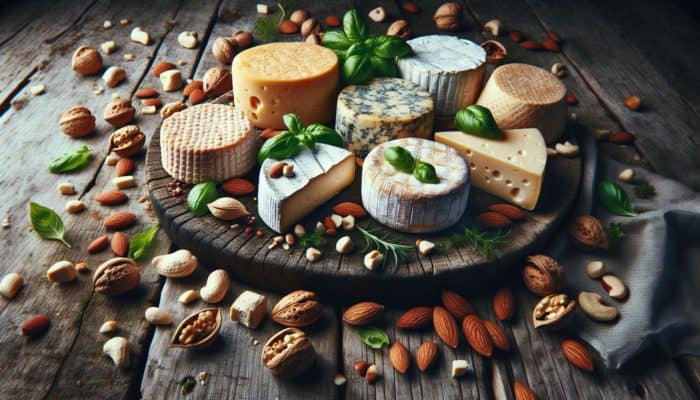
When embarking on the journey of crafting vegan cheese alternatives, the selection of suitable plant-based milks plays a pivotal role. These milks serve as the foundational base for your cheese, delivering a creamy texture and distinct flavour profiles that enhance your culinary creations. Popular choices such as soy, almond, and cashew milk each offer unique characteristics that significantly contribute to the final product. Soy milk stands out for its rich and creamy texture alongside a high protein content, making it an exceptional substitute for traditional cheese. In contrast, almond milk presents a lighter consistency with a subtle nuttiness, while cashew milk is notably rich and creamy, ideally suited for replicating the indulgent mouthfeel of conventional cheeses.
As you select a plant-based milk for your vegan cheese-making endeavours, it is crucial to assess the texture and flavour of the final product you aim to achieve. Some individuals may prefer the luxurious texture of cashew milk for creating a creamy, spreadable cheese, while others might favour almond milk for a lighter alternative. It is beneficial to experiment with various brands, as some may contain additives that can influence both taste and consistency. Always opt for unsweetened varieties to prevent any unexpected flavours that could disrupt your cheese-making process.
Discover the Transformative Benefits of Nutritional Yeast in Vegan Cheese Recipes
Nutritional yeast emerges as a remarkable ingredient in the realm of vegan cheese, renowned for its ability to impart a cheesy flavour without containing any dairy. This ingredient is a staple in numerous vegan kitchens due to its versatility and myriad health benefits. Here are compelling reasons to incorporate nutritional yeast into your vegan cheese recipes:
- High in B vitamins, including essential B12 when fortified.
- Rich in protein, offering a complete amino acid profile.
- Contains antioxidants that promote overall health.
- Low in calories and fat, rendering it a guilt-free addition.
Integrating nutritional yeast into your recipes not only enriches the flavour but also enhances the nutritional profile, making it an indispensable ingredient in your vegan cheese-making arsenal. Its cheesy, nutty essence can elevate even the simplest recipes into gourmet delights, ensuring satisfaction for even the most discerning cheese enthusiasts.
Key Thickening Agents for Perfecting the Texture of Your Vegan Cheese
Achieving the ideal texture is essential in the art of vegan cheese making, and thickening agents are integral to this process. The most commonly utilised options include Agar agar, tapioca starch, and carrageenan. Agar agar, sourced from seaweed, is perfect for creating a firm cheese that slices beautifully. On the other hand, tapioca starch imparts that sought-after stretchy, melty quality, rendering it ideal for vegan mozzarella. Carrageenan, another seaweed extract, contributes to a creamy consistency and is frequently found in commercial vegan cheeses.
When selecting thickening agents, it is vital to consider the type of texture you aspire to create. For a soft, spreadable cheese, relying solely on agar agar may not suffice; a combination of tapioca starch and nutritional yeast can yield a delightful, melt-in-your-mouth effect. Embrace the spirit of experimentation; the right combination can elevate your vegan cheese from a mere alternative to a delectable indulgence.
Proven Strategies for Successfully Crafting Vegan Cheese Alternatives

Exciting Vegan Cheese Recipes to Try at Home
The realm of vegan cheese recipes has experienced a remarkable surge in popularity, with both home cooks and professional chefs discovering innovative methods to create scrumptious alternatives. For instance, cashew cheese spreads have surged in popularity due to their rich texture and versatility. A basic cashew cheese can be crafted by soaking cashews and blending them with garlic, lemon juice, and nutritional yeast for a creamy dip that pairs beautifully with crackers or fresh vegetables.
Another cherished recipe is almond feta, where almonds are blended to a smooth consistency with lemon juice, garlic, and fresh herbs. This tangy cheese alternative is perfect for topping salads, spreading on bread, or simply enjoying on its own. Moreover, coconut-based cream cheeses have gained popularity as they meld coconut cream with a medley of herbs and spices, offering a delightful tropical twist to traditional cheese platters.
These examples underscore that the world of vegan cheese is both diverse and approachable, with a plethora of recipes that are straightforward to replicate in the comfort of your own kitchen. The key is to start with simple recipes and progressively incorporate more intricate flavours and techniques as your cheese-making confidence flourishes.
Effective Techniques for Fermenting Your Vegan Cheese
Fermentation can dramatically enhance your vegan cheese by introducing layers of flavour and a tangy profile reminiscent of aged dairy cheeses. To initiate the fermentation process, consider using rejuvelac (a fermented grain drink) or specific probiotic cultures. Here are some practical tips to facilitate the fermentation:
- Utilise soaked nuts or seeds as the base for your cheese.
- Incorporate a small amount of rejuvelac or probiotics into your mixture.
- Cover the mixture with a breathable cloth and allow it to sit at room temperature for 12-48 hours, depending on your desired tanginess.
- Taste the mixture periodically to monitor flavour development and adjust the fermentation time as necessary.
The beauty of fermentation lies in its capacity to elevate the complexity of flavours, transforming simple ingredients into extraordinary creations. This age-old process not only enriches vegan cheese alternatives but also aligns with the growing interest in fermented foods and their associated health benefits.
Understanding the Nutritional Profile of Vegan Cheese Alternatives
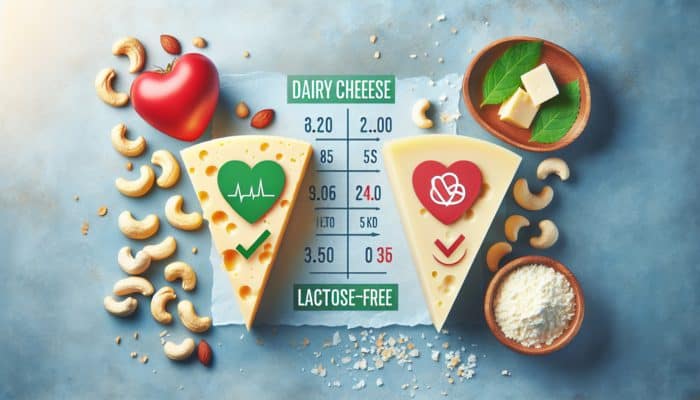
When assessing the nutritional profile of vegan cheese alternatives, it is imperative to compare them with traditional dairy cheeses. Typically, vegan cheeses boast lower levels of saturated fat and cholesterol, rendering them healthier options for heart health. For instance, many cashew-based cheeses are rich in healthy fats and provide a good source of protein while being lactose-free, making them suitable for individuals with dairy intolerances.
However, it is essential to acknowledge that not all vegan cheeses are created equal. Some may be highly processed and contain additives and preservatives, while whole-food-based vegan cheeses, crafted from nuts and seeds, often preserve more nutrients and deliver beneficial fats and vitamins.
Moreover, many vegan cheeses are fortified with vital vitamins such as B12, addressing a common concern for those adhering to plant-based diets. Ultimately, the nutritional profile can vary significantly, making it crucial for consumers to examine labels meticulously and select high-quality products that align with their dietary requirements.
How Do Different Plant-Based Milks Impact the Texture and Taste of Vegan Cheese?
The selection of plant-based milk profoundly influences the texture and taste of your vegan cheese creations. For example, almond milk generally results in a lighter, slightly nutty flavour, making it ideal for soft cheeses or spreads. Yet, its lower fat content may affect the creaminess of firmer cheeses.
In contrast, soy milk, which is abundant in protein and fat, can produce a more substantial cheese, making it an excellent choice for creamy and stretchy varieties, such as vegan mozzarella. Its neutral flavour profile allows other ingredients, such as nutritional yeast and spices, to shine through, enhancing the overall taste and appeal.
Cashew milk is particularly noteworthy for its richness, often yielding a creamier texture that closely mimics traditional cheese. The higher fat content contributes to a luxurious mouthfeel, making it suitable for a variety of cheese styles, from soft spreads to firmer slices. Understanding how each plant-based milk impacts the final product empowers makers to make informed choices and create the desired cheese experience.
Proven Strategies for Overcoming Common Vegan Cheese-Making Challenges
Creating vegan cheese can be a fulfilling endeavour, but it does come with its challenges. Common issues, such as graininess, separation, or undesirable flavours, can detract from your cheese-making ambitions. If you encounter a grainy texture, consider blending your mixture for a more extended period to ensure a smooth consistency. Adequately soaking nuts before blending can also help achieve a creamier outcome.
Separation may arise if the mixture is not properly emulsified. To counter this, incorporate ingredients such as tapioca starch or an extra splash of plant-based milk to help bind the mixture. Unpleasant flavours can stem from using expired ingredients or incorrect ratios, so prioritising freshness and balance in your recipe is crucial.
Always taste your mixture throughout the process; this practice not only enhances the final product but also helps identify any issues early on. By employing these troubleshooting techniques, you will be better equipped to create a consistent and delicious vegan cheese that will impress your friends and family.
What Are the Steps to Successfully Create Vegan Cheese at Home?
Gathering Essential Equipment to Kickstart Your Vegan Cheese-Making Journey
To embark on your vegan cheese-making journey, several essential tools will set you up for success. A blender is indispensable, as it helps you achieve the creamy, smooth consistency desired in many cheese alternatives. For recipes that necessitate straining, a cheesecloth or nut milk bag will prove invaluable in removing excess liquid and achieving the ideal texture.
Moulds or containers are also necessary for shaping your cheese. Silicone moulds are excellent choices, as they facilitate easy removal and can create a variety of shapes. Lastly, a thermometer can be beneficial, especially if you delve into fermentation, as maintaining the correct temperature is crucial for developing flavours.
Having the right equipment not only simplifies the cheese-making process but also enhances the quality of the final product. Investing in these tools ensures you are well-prepared for your vegan cheese adventures.
Beginner-Friendly Recipes to Launch Your Cheese-Making Experience
Starting with simple recipes is essential for building confidence in your cheese-making skills. One of the easiest options is cashew cheese, where soaked cashews are blended with nutritional yeast, garlic, lemon juice, and a pinch of salt for flavour. This creamy spread can be enjoyed on crackers or as a delightful dip for fresh vegetables.
Another excellent beginner recipe is almond feta. Soak almonds overnight, then blend with lemon juice, herbs, and garlic until smooth. After blending, place the mixture in a cheesecloth and shape it into a log. Refrigerate to firm up, and you’ll have a delightful cheese that can elevate any dish.
Lastly, consider crafting a basic vegan ricotta using blended tofu, nutritional yeast, lemon juice, and seasonings. This versatile cheese can be incorporated into pasta dishes, used as a topping on pizzas, or spread on toast. These straightforward recipes serve as a launching pad for exploring more complex flavours and techniques as your skills develop.
Strategies for Overcoming Common Challenges in Vegan Cheese-Making
While the process of making vegan cheese can be enjoyable, encountering problems is not uncommon. Issues like texture inconsistencies or flavour imbalances can arise, but they are generally manageable with the right approach. If your cheese turns out too runny, consider adding a thickening agent such as tapioca starch or agar agar to help bind the mixture.
Conversely, if your cheese is overly thick, a splash of plant-based milk can help restore a more desirable texture. For flavour challenges, remember that you can always adjust seasoning after blending. Adding more nutritional yeast, herbs, or acids like lemon juice can significantly enhance the final taste.
Lastly, if you're experiencing a grainy texture, consider blending your mixture for a longer period or ensuring that your nuts are adequately soaked before blending. These troubleshooting tips will empower you to refine your vegan cheese-making process and create consistently delightful alternatives.
Fermentation Techniques for Enhanced Flavour in Vegan Cheese
Fermentation is an exciting method that adds complexity and depth to your vegan cheeses. To begin, introduce probiotic cultures or rejuvelac to your nut or seed base. Soaking your nuts or seeds ahead of time is advisable, as this softens them and makes the blending process easier.
Once you have blended your base with the fermentation agent, transfer the mixture to a clean container and cover it with a breathable cloth. Allow it to sit at room temperature for 12-48 hours, depending on your desired level of tanginess. During this period, the mixture will develop its unique flavours, so tasting it periodically is essential to gauge its progress.
After fermentation is complete, you can use the fermented cheese as a base for additional recipes or enjoy it as is. This technique not only enhances the flavour of the cheese but also introduces beneficial probiotics, contributing to gut health and overall well-being.
Best Practices for Storing and Aging Vegan Cheese
Properly storing and aging your vegan cheese can significantly influence its texture and flavour profile. For short-term storage, keep your vegan cheese in an airtight container in the fridge. Most homemade vegan cheeses can last up to a week, although consuming them fresh is best for optimal taste and texture.
For aging, you will want to create an environment with controlled temperature and humidity. Some enthusiasts utilise caves or dedicated cheese fridges to manage these conditions effectively. Wrap your cheese in cheese paper or parchment to allow it to breathe while preventing excessive moisture loss.
As your cheese ages, you will notice changes in flavour and texture, often becoming more robust and complex. Regularly check on your cheese, and don’t hesitate to adjust humidity levels if it appears too dry or too moist. This careful attention during storage and aging will lead to a more rewarding and flavourful vegan cheese experience.
What Are the Benefits of Choosing Vegan Cheese Alternatives?
Assessing the Environmental Impact of Vegan Cheese Production
The production of vegan cheese alternatives typically results in a lower environmental footprint compared to traditional dairy cheese. Dairy farming is a resource-intensive practice, requiring substantial amounts of water, land, and feed, while also contributing to greenhouse gas emissions. In contrast, the production of plant-based cheese tends to utilise fewer resources and generate less pollution.
By opting for vegan alternatives, consumers can significantly reduce their environmental impact. Many brands emphasise sustainable sourcing and eco-friendly practices, further enhancing the positive effects of selecting vegan cheese. Embracing vegan cheese is not merely a dietary choice; it represents a commitment to promoting a sustainable future for our planet.
Exploring the Health Benefits of Vegan Cheese
One of the most compelling motivations to explore vegan cheese alternatives is their potential health benefits. Many vegan cheeses are lower in saturated fats and cholesterol compared to their dairy counterparts, making them healthier options for heart health. This is particularly beneficial for individuals concerned about managing cholesterol levels or reducing the risk of heart disease.
Additionally, vegan cheeses are typically devoid of lactose, which can cause digestive issues for many individuals. By opting for plant-based alternatives, you can savour the creamy, rich flavours of cheese without the discomfort associated with dairy. Furthermore, many vegan cheeses include beneficial nutrients, such as omega-3 fatty acids and antioxidants, which contribute to overall health and wellness.
Addressing Ethical Considerations in Selecting Vegan Cheese
Choosing vegan cheese aligns with ethical considerations surrounding animal welfare. Dairy farming often involves practices that can be distressing for animals, including confinement and separation from their young. By opting for vegan alternatives, consumers actively contribute to reducing the demand for dairy products, thereby promoting more humane treatment of animals.
Moreover, supporting plant-based products encourages the growth of ethical companies dedicated to sustainable and fair practices. This conscious choice allows consumers to align their dietary habits with their values, fostering a sense of responsibility and compassion towards animals and the environment.
Embracing Diversity and Innovation in Vegan Cheese Alternatives
The world of vegan cheese alternatives is marked by a remarkable variety of flavours and textures, driving innovation within the food industry. From cashew-based spreads to nutty feta or smoky gouda, there’s an extensive range of options that cater to diverse dietary preferences and culinary applications.
This innovation excites consumers and inspires chefs and home cooks to experiment with new flavour combinations and techniques. As demand for vegan products continues to rise, the market responds with an influx of creative and delicious offerings, ensuring that everyone can find a vegan cheese that suits their taste.
Research-Backed Advantages of Crafting Vegan Cheese Alternatives
Insights from Research on the Digestibility of Vegan Cheese
Research suggests that vegan cheese can be easier to digest for many individuals compared to traditional dairy cheeses. This is largely due to the absence of lactose, which can cause digestive discomfort in those with lactose intolerance. Studies indicate that many individuals who struggle with dairy experience relief when transitioning to plant-based alternatives.
Moreover, the simplicity of ingredients in homemade vegan cheese often results in fewer additives and preservatives, contributing to easier digestibility. Consequently, more individuals are discovering that vegan cheese can be a satisfying and gut-friendly option.
The Importance of Nutrient Fortification in Vegan Cheese Products
Many commercial vegan cheeses are fortified with essential vitamins and minerals, enhancing their nutritional value. For instance, some brands add vitamin B12, which is crucial for vegans, as this nutrient is predominantly found in animal products. Additionally, calcium and vitamin D are often included, making vegan cheeses more comparable to dairy cheese in terms of nutrient content.
When creating vegan cheese at home, you can also incorporate fortified ingredients to boost nutritional benefits. By selecting high-quality brands or fortifying your recipes, you can ensure your vegan cheese contributes positively to your overall diet.
Shifting Trends in Consumer Acceptance of Vegan Cheese Alternatives
Surveys reveal a growing acceptance and demand for vegan cheese alternatives among consumers. As awareness about the health and environmental benefits of plant-based diets increases, more individuals are open to exploring vegan cheese options.
This trend is reflected in the expanding variety of products available on supermarket shelves, with numerous brands innovating to provide tasty alternatives that mimic traditional cheeses. The increasing consumer interest encourages companies to invest in research and development, resulting in continuous improvements in flavour and texture.
Examining the Environmental Impact of Vegan Cheese Production
The environmental impact of vegan cheese production is significantly lower than that of dairy cheese. Research indicates that plant-based dairy alternatives require fewer natural resources and produce lower emissions. Transitioning from animal-based to plant-based products contributes to sustainability efforts, appealing to eco-conscious consumers.
By making choices that support vegan cheese alternatives, individuals can actively participate in reducing their environmental footprint. This commitment benefits personal health and contributes to broader efforts to combat climate change and conserve natural resources.
Health Benefits Associated with Consuming Vegan Cheese
Switching to vegan cheese can decrease cholesterol and saturated fat intake, potentially lowering the risk of heart disease. Many individuals have transitioned to plant-based diets for this reason, discovering that vegan cheeses can provide a satisfying alternative without the associated health risks.
Additionally, incorporating whole-food ingredients into homemade vegan cheese allows for better control over what goes into your food. This transparency can lead to healthier choices that align with personal health goals, making vegan cheese not just a dietary choice but a lifestyle enhancement.
Advanced Techniques for Mastering the Art of Vegan Cheese Crafting
Mastering the Aging and Ripening Process for Vegan Cheese
Aging vegan cheese is an advanced technique that can develop complex flavours over time. To create aged cheese, choose a base of nuts or seeds and blend with fermentation agents. After the initial fermentation, transfer the mixture to a suitable aging container while maintaining controlled temperature and humidity.
The aging process can last from a few days to several weeks, depending on the desired flavour intensity. As the cheese ages, its texture will evolve, typically becoming firmer while flavours deepen and become more pronounced. Regularly monitoring your cheese throughout the aging process is crucial, enabling you to fine-tune flavour profiles and textures.
This technique demands patience and careful attention but can yield extraordinary results, providing a gourmet touch to your vegan cheese repertoire.
Infusing Unique Flavours into Your Vegan Cheese Creations
Infusing flavours into your vegan cheese opens up a world of exciting possibilities. Experimenting with herbs, spices, and other ingredients can yield unique and captivating varieties. For instance, incorporating smoked paprika, garlic powder, or fresh basil can transform a basic cashew cheese into a bold dip or spread.
You can also explore sweet flavours, adding ingredients like maple syrup or vanilla extract to create dessert cheeses. The beauty of making your own vegan cheese lies in the ability to tailor it to your preferences and dietary needs, ensuring that the final product is both delicious and satisfying.
Encouraging creativity in your cheese-making process not only enhances the flavours but also allows you to delve into the diverse culinary world of plant-based cooking.
Creating a Variety of Textures in Your Vegan Cheese
Mastering techniques to produce a variety of textures is essential for crafting a well-rounded selection of vegan cheeses. For soft, spreadable cheeses, focus on blending your base until smooth, incorporating ingredients like coconut cream or cashew milk for added creaminess.
For firmer cheeses, consider incorporating more nuts or using thickening agents like agar agar or tapioca starch to achieve a sliceable consistency. You can also experiment with pressing the cheese mixture into moulds under weight, which promotes a firmer texture.
For a unique experience, create layered cheeses with different textures by mixing soft and firm bases. This technique not only enhances visual appeal but also provides a delightful contrast in mouthfeel, making your vegan cheese offerings truly stand out.
Frequently Asked Questions About Vegan Cheese Alternatives
What is the primary ingredient in vegan cheese?
Vegan cheese is typically crafted from plant-based ingredients, including nuts, seeds, soy, and coconut. These bases are often blended with nutritional yeast, spices, and thickening agents to create a creamy consistency and flavour that mimics traditional cheese.
Is vegan cheese a healthier choice compared to dairy cheese?
Generally, vegan cheese is lower in saturated fat and cholesterol, making it a healthier alternative for heart health. Additionally, it’s often free from lactose, which can cause digestive issues for some individuals.
Can I prepare vegan cheese without using nuts?
Absolutely! Vegan cheese can be made from various bases, including tofu, soy, coconut, or even vegetables. Numerous nut-free recipes are available that still deliver delicious flavours and textures.
How long can homemade vegan cheese be stored?
Homemade vegan cheese typically lasts about a week when stored in an airtight container in the fridge. For longer storage, consider freezing, but be aware that some textures may change once thawed.
Is vegan cheese suitable for baking purposes?
Many vegan cheeses melt well and can be used in baking, particularly those made from cashews or tapioca starch. However, it’s essential to select the appropriate type for your dish to achieve the desired meltability.
Can vegan cheese undergo aging like dairy cheese?
Yes, vegan cheese can be aged to develop complex flavours. Techniques involve fermenting the cheese base and storing it under controlled conditions to promote flavour development over time.
What are the most effective thickening agents for vegan cheese?
Popular thickening agents for vegan cheese include agar agar, tapioca starch, and carrageenan. Each provides unique characteristics that can help achieve different textures and consistencies in your cheese.
Are there vegan cheeses available that taste similar to cheddar?
Yes, several brands produce vegan cheeses that mimic the flavour of cheddar using a combination of nuts, nutritional yeast, and spices. Homemade versions can also replicate the taste of cheddar with the right ingredients and seasonings.
How can I enhance the flavour of my vegan cheese?
You can improve the flavour by incorporating herbs, spices, nutritional yeast, and acids like lemon juice. Experimenting with fermentation techniques can also lead to richer and more complex flavours in your cheese.
Can you recommend any commercial vegan cheese brands?
Several brands, such as Violife, Daiya, and Kite Hill, are well-regarded for their vegan cheese products. Each offers a variety of flavours and textures to cater to different palates and culinary needs.
Connect with us on Facebook!
The post How to Make Vegan Cheese Alternatives: A Comprehensive Guide appeared first on https://cookinggods.com
The Article Vegan Cheese Alternatives: Your Complete Guide to Making Them Was Found On https://limitsofstrategy.com