
Elevate Your Culinary Skills with Expert Food Preservation Techniques for Freshness and Flavor
Mastering food preservation techniques is crucial in the journey toward achieving culinary excellence and promoting environmental sustainability. By adopting these methods, you can enhance the delightful flavors of your meals while making a positive impact on our planet. This practice not only helps keep your greens vibrant but also prevents your leftovers from transforming into unintentional science experiments. Let’s explore the core principles of maintaining food freshness and flavor, starting with an in-depth look at the causes of spoilage.
Unlocking the Science Behind Food Spoilage: Key Factors Explained
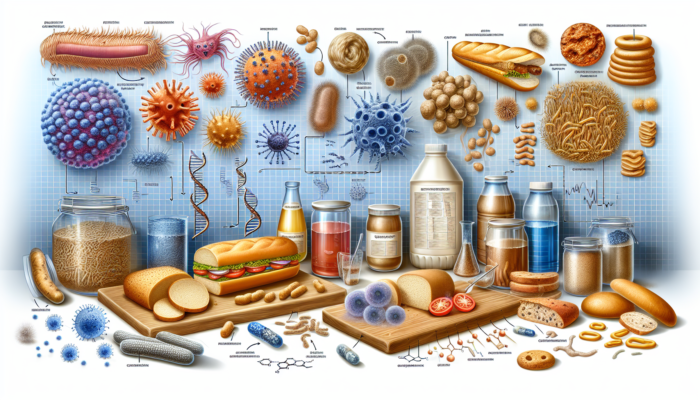
Spoilage is an unavoidable natural occurrence that affects our favorite food items; however, understanding the underlying science equips you with effective strategies to combat it. Three main factors play pivotal roles in food breakdown: microbial growth, enzymatic reactions, and oxidation. Microbial organisms, including bacteria, yeasts, and molds, thrive in nutrient-dense environments, making leftover pasta especially susceptible to deterioration. Essentially, the combination of high moisture and warmth accelerates spoilage.
Enzymatic activity is another crucial element in this process. Enzymes, which are natural proteins, are responsible for the ripening of fruits and vegetables. However, once food reaches its optimal ripeness, these enzymes can instigate a decline in quality. Additionally, oxidation is a chemical reaction involving oxygen and food components, often resulting in fat rancidity and the browning of fruits.
By understanding these foundational concepts, you can implement effective food preservation techniques that significantly prolong the shelf life of your ingredients. Every proactive step you take, from managing moisture levels to utilizing airtight containers, contributes to enhancing both freshness and flavor.
Optimizing Food Preservation: Ideal Temperature Settings for Refrigerators and Freezers
Temperature management is your most dependable ally in the ongoing struggle against spoilage. Maintaining your refrigerator at a consistent temperature of around 4°C (39°F) is vital for decelerating microbial growth. It’s a fine balance; if the temperature is too warm, you risk welcoming a bacterial invasion, whereas if it’s too cold, you might inadvertently freeze delicate herbs and other perishable goods.
Aim for freezer temperatures of -18°C (0°F) or lower. This specific temperature effectively halts microbial activity while safeguarding essential nutrients. However, the manner in which you store food in these cold environments is equally important. Utilizing airtight containers or heavy-duty freezer bags is crucial to avert freezer burn, a notorious adversary that can degrade food quality in terms of both flavor and texture. Make it a habit to label and date your frozen items, transforming your freezer into a well-organized culinary time capsule rather than a mysterious abyss.
By mastering temperature regulation, you’ll not only extend the freshness of your food but also elevate the overall quality of your meals.
Humidity Management: Proven Techniques for Keeping Your Produce Fresh and Crisp
Humidity is a vital yet often neglected factor in preserving produce. The key is achieving the perfect balance between excessive dryness and overwhelming moisture. Elevated humidity can spur mold growth, while low humidity can lead to desiccation, turning fresh carrots into unappetizing, shriveled sticks.
To effectively regulate humidity, make use of your refrigerator’s crisper drawers, which typically come with adjustable settings. For leafy greens, wrap them in a damp paper towel to retain moisture without creating a soggy environment. Furthermore, consider investing in humidity-control packs or DIY solutions, such as placing a small bowl of water in your fridge to help manage moisture levels.
Keeping fruits separated from vegetables is crucial to minimizing exposure to ethylene gas, which can accelerate ripening and spoilage. Apples, bananas, and avocados are notorious ethylene producers, so designate specific areas for them to prevent unwanted spoilage.
By mastering humidity control, you’ll ensure your produce remains vibrant and crisp, ready to enhance any dish with fresh flavors.