Explore the Essential Aspects of Vitamin D Blood Testing in the UK
What Is the Importance of Conducting a Vitamin D Blood Test?
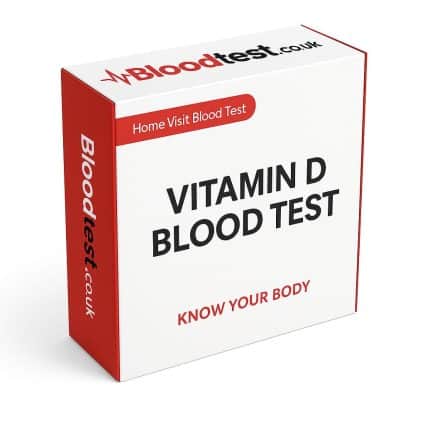
Private Vitamin D Blood Test in Newark-on-Trent: A vitamin D blood test is an essential diagnostic tool in the UK, designed to measure serum vitamin D levels accurately. This crucial vitamin is instrumental in promoting strong bones and bolstering immune function. The testing process typically involves a simple blood draw at local clinics, with the results offering vital insights into potential deficiencies, particularly prevalent during winter months when sun exposure is substantially limited.

Proper preparation is vital for patients to guarantee the accuracy of their results. Here are several essential preparatory steps to consider before undergoing the test:
- Avoid consuming high-fat meals for at least 24 hours prior to the test to prevent affecting absorption.
- Ensure adequate hydration by drinking plenty of water, while steering clear of excessive fluid intake just before the test.
- Consult your GP about any medications or supplements that may need to be paused before testing.
- Plan your test for the early part of the day to minimise disruptions later on.
By adhering to these preparatory measures, patients can significantly improve the reliability of their test results, ensuring that any deficiencies are correctly identified and effectively addressed.
What Symptoms Indicate Vitamin D Deficiency in the UK?
Vitamin D deficiency remains a significant concern in the UK, especially during winter months when sunlight exposure is considerably restricted. This deficiency often presents through various symptoms, such as chronic fatigue, bone pain, muscle weakness, and an increased susceptibility to infections. Residents of Newark-on-Trent, similar to many others across the UK, may experience these symptoms without realising they signify inadequate vitamin D levels. Early recognition of these signs is crucial, as they can escalate into more severe health complications if left untreated. Moreover, dietary adjustments and lifestyle changes can significantly aid in correcting this deficiency. Including fortified foods, such as certain breakfast cereals and dairy products, along with natural sources like oily fish, can substantially enhance vitamin D intake, promoting a proactive approach to health management.
How Can I Access Vitamin D Tests Through NHS Services?
Accessing vitamin D tests via NHS services in Newark-on-Trent is straightforward, especially for individuals belonging to at-risk groups, such as the elderly, pregnant women, and those with limited sun exposure. Typically, patients need a referral from their GP, who evaluates health needs in accordance with established public health guidelines. This referral process not only ensures affordability but also facilitates follow-up consultations tailored to individual health circumstances. The NHS aims to make testing accessible while addressing regional needs, highlighting the importance of monitoring vitamin D levels to sustain overall health, particularly during the darker months of the year.
How to Accurately Interpret Your Vitamin D Test Results
Understanding vitamin D test results requires comparing serum levels obtained from the blood sample against NHS guidelines. In the UK, a level below 25 nmol/L generally indicates a deficiency, which may require immediate intervention through lifestyle adjustments or supplementation. Healthcare providers in Newark-on-Trent utilise these results to offer personalised advice, which may include recommendations for increased sunlight exposure, dietary modifications, or specific vitamin D supplements tailored to individual requirements. Gaining a clear understanding of these results empowers patients to actively manage their health, which is particularly vital in a region where seasonal variations can significantly impact vitamin D levels.
What Treatment Options Are Available for Vitamin D Deficiency?
In the UK, the primary treatment for vitamin D deficiency usually involves healthcare professionals prescribing oral supplements. In areas like Newark-on-Trent, dosages are often customised based on the severity of the deficiency indicated by test results. For individuals with significant deficiencies, high-dose vitamin D options are available and can be crucial for restoring adequate levels swiftly. In conjunction with supplementation, healthcare providers frequently recommend incorporating vitamin D-rich foods, such as oily fish, eggs, and fortified dairy products, into daily meals. This multifaceted approach aims not only to rectify deficiencies but also to enhance overall health outcomes for individuals within the community.
How to Effectively Prepare for a Vitamin D Blood Test?
What Dietary Choices Should I Make Before the Test to Ensure Accurate Results?
Before undertaking a vitamin D blood test, it is essential to consider your dietary intake, as certain foods can influence test results. In the UK, it is generally advisable to avoid high-fat meals for 24 hours leading up to the test, as these can interfere with vitamin D absorption and metabolism. Instead, a well-balanced diet consisting of lighter meals is recommended. Hydration also plays a pivotal role; individuals should ensure they are adequately hydrated before the test, as this can facilitate the blood draw process. However, excessive fluid intake immediately before the test should be avoided to prevent dilution of the blood sample. By following these dietary guidelines, patients can help ensure that their vitamin D levels are accurately represented in the test results.
When Is the Optimal Time to Schedule the Test Within Your Daily Routine?
Strategically timing your vitamin D blood test within your daily routine can significantly affect the testing process. In Newark-on-Trent, it is advisable to book tests early in the day to help prevent disruptions that may interfere with your routine later on. Furthermore, depending on your clinician’s recommendations, fasting may be necessary. Fasting is vital for optimising assessment outcomes, ensuring that results genuinely reflect your body’s vitamin D status without interference from recent meals. Planning your test around these considerations contributes to a smoother experience and enhances the accuracy of results.
What Are the Possible Side Effects Associated with the Vitamin D Blood Test?
While vitamin D blood tests are generally regarded as safe and straightforward, minor side effects may occur. In the UK, patients might experience slight bruising, discomfort, or a sensation of pressure at the puncture site following the blood draw. Being aware of these potential side effects can help individuals in Newark-on-Trent feel more prepared and less anxious about the procedure. Patients should discuss any concerns with their healthcare providers prior to the test, as this open dialogue can provide reassurance and clarity. Overall, while minor, these side effects are typically short-lived and do not pose significant risks.
Why Is It Crucial to Avoid Certain Medications and Supplements Before Testing?
Before undergoing a vitamin D blood test, patients in Newark-on-Trent should consider how medications and supplements may affect their vitamin D levels. Some medications, including those for epilepsy or weight loss, along with certain supplements, can influence test results. Therefore, individuals are encouraged to consult their GP beforehand to determine if any medications or supplements should be paused prior to the test. This precautionary measure guarantees that the blood sample accurately reflects the true vitamin D status, allowing healthcare professionals to provide precise interpretations and recommendations based on the results.
Why Is Proper Hydration Essential Before the Test?
Maintaining proper hydration is crucial before a vitamin D blood test, as it significantly impacts the accuracy and ease of the blood draw. Individuals in Newark-on-Trent should aim to drink sufficient water in the hours leading up to the test. However, it is important to avoid excessive fluid intake immediately before the test to prevent dilution of the blood sample. Staying hydrated helps make veins more prominent, making it easier for healthcare professionals to obtain a sample with minimal discomfort. By following these hydration guidelines, patients can facilitate a smoother testing process and improve the reliability of the results.
Receive Expert Guidance for Vitamin D Blood Testing in Newark-on-Trent
Steps to Optimise Your Vitamin D Testing Experience
For individuals looking to undergo vitamin D testing in Newark-on-Trent, optimising the process can significantly enhance health management. The first step involves consulting a GP, who can evaluate your health history and determine whether a vitamin D test is necessary. Once a referral is obtained, scheduling the test at a local clinic becomes the next actionable step. Patients should adhere to the preparation guidelines discussed earlier, focusing on diet, hydration, and timing. Real-world examples show that individuals who follow these recommendations often report a smoother experience, with prompt results that empower them to make informed health decisions. Moreover, maintaining open communication with healthcare providers throughout this journey enhances the overall testing experience, ensuring that any concerns or questions are promptly addressed.
How Do Healthcare Experts Influence the Interpretation of Test Results?
The expertise of healthcare professionals plays a fundamental role in accurately interpreting vitamin D test results. In Newark-on-Trent, specialists consider various factors to provide personalised assessments. Key considerations include:
- Age: Different age groups have varying vitamin D requirements.
- Geographical location: Local sunlight availability significantly affects vitamin D synthesis.
- Health history: Pre-existing conditions may impact vitamin D metabolism.
- Lifestyle factors: Diet, physical activity, and sun exposure are all critical.
By evaluating these elements, experts can offer tailored recommendations and guide patients towards effective interventions. This personalised approach not only enhances the accuracy of interpretations but also fosters a deeper understanding of each individual’s health needs.
What Are the Advantages of Consulting Healthcare Specialists for Vitamin D Testing?
Seeking guidance from healthcare specialists in Newark-on-Trent when undergoing vitamin D testing offers substantial benefits. These experts provide tailored advice that addresses individual health concerns and needs, ensuring that patients receive the most relevant recommendations. Real-world examples demonstrate how early intervention through expert consultations can lead to improved vitamin D levels and enhanced overall wellbeing. Specialists often employ evidence-based strategies to assist patients in making lifestyle adjustments that effectively boost vitamin D levels, contributing to better health outcomes. This proactive approach empowers patients to take control of their health and highlights the importance of seeking specialised advice in achieving optimal vitamin D status.
What Are the Key Benefits of Vitamin D Testing?
How Does Vitamin D Support Bone Health?
Vitamin D testing is vital for supporting bone health, particularly in the UK, where deficiencies can lead to serious conditions such as osteoporosis. Identifying deficiencies early through testing enables timely interventions, which is crucial in regions like Newark-on-Trent that experience seasonal variations affecting sunlight exposure. Early detection allows for appropriate supplementation and dietary adjustments, helping to maintain strong bones and reducing the risk of fractures and other complications associated with low bone density. By ensuring adequate vitamin D levels, individuals can actively safeguard their skeletal health, promoting longevity and a higher quality of life.
How Does Regular Testing Improve Immune Function?
Regular vitamin D testing plays an integral role in enhancing immune function, particularly for residents in Newark-on-Trent who face the challenges of colder climates. Low vitamin D levels have been correlated with increased susceptibility to infections and illnesses, making it essential for individuals to monitor their vitamin D status. By identifying and rectifying deficiencies through testing, patients can bolster their immune response, potentially diminishing the incidence of colds, flu, and other ailments. This proactive approach to health not only improves individual resilience but can also contribute to better community health outcomes by minimising the spread of infectious diseases during peak seasons.
What Are the Long-Term Health Advantages of Vitamin D Testing?
Testing for vitamin D provides ongoing health benefits that extend beyond immediate concerns. In the UK, including Newark-on-Trent, regular monitoring of vitamin D levels can significantly lower the risk of chronic diseases such as cardiovascular conditions and certain types of cancer. By adhering to national guidelines and actively managing vitamin D status, individuals can take proactive steps towards better health, enhancing their quality of life over the long term. These long-term health benefits underscore the importance of routine testing as part of a comprehensive health management strategy, ultimately leading to a healthier population.
Research-Driven Insights on Vitamin D Blood Testing in Newark-on-Trent
What Are Some Real-World Success Stories Related to Vitamin D Testing?
In Newark-on-Trent, research-derived actionable insights indicate that vitamin D testing has led to significant health improvements for numerous patients. For instance, local case studies highlight individuals who, after identifying deficiencies through testing, made lifestyle changes such as increasing outdoor activity and adjusting their diet. These modifications resulted in notable enhancements in their vitamin D levels, leading to improved overall health. Healthcare professionals in the area support these changes with targeted advice, ensuring patients receive comprehensive guidance on maintaining optimal vitamin D levels. Such real-world examples illustrate the tangible benefits of vitamin D testing, reinforcing its importance in community health management.
What Factors Affect the Accuracy of Vitamin D Testing?
Several factors can influence the accuracy of vitamin D testing in the UK, particularly in Newark-on-Trent. Environmental conditions, including seasonal changes, can significantly impact vitamin D synthesis from sunlight exposure. Additionally, individual factors such as skin pigmentation, age, and existing health conditions can affect vitamin D levels and the body’s ability to utilise this crucial nutrient. Experts recommend closely monitoring these factors to ensure reliable results and meaningful interpretations. By implementing appropriate strategies to mitigate common testing errors, healthcare providers can enhance the accuracy and reliability of vitamin D assessments, leading to improved health outcomes for patients.
Why Is Regular Testing Crucial for Your Health?
Regular vitamin D testing is essential for tracking progress and adjusting treatment plans, particularly in Newark-on-Trent, where seasonal changes can significantly impact vitamin levels. Expert analysis suggests that ongoing monitoring enables healthcare professionals to identify trends and make informed decisions regarding supplementation and lifestyle modifications. Research indicates that individuals who routinely check their vitamin D status are more likely to maintain optimal levels, thereby reducing the risk of deficiencies and associated health complications over time. This proactive approach to health management underscores the significance of regular testing in fostering long-term wellbeing and preventing chronic health issues.
Why Is Vitamin D Indispensable for Overall Health?
What Effect Does Vitamin D Have on Mental Wellbeing?
Vitamin D significantly impacts mental wellbeing, influencing mood and cognitive function. In the UK, including Newark-on-Trent, low levels of vitamin D have been linked to mental health issues such as anxiety and depression, particularly during the darker months. Testing for vitamin D can help identify deficiencies associated with these conditions, enabling targeted interventions to improve mental health outcomes. By addressing vitamin D status through supplementation and lifestyle changes, individuals can enhance their mood and cognitive function, contributing to overall mental resilience during challenging times.
How Is Vitamin D Associated with Heart Health?
Vitamin D testing has uncovered critical connections between vitamin D levels and cardiovascular health. In Newark-on-Trent, residents who maintain optimal vitamin D levels may experience reduced risks of heart disease and other cardiovascular conditions. Research suggests that vitamin D helps regulate blood pressure and improve vascular function, making it essential for heart health. Regular testing allows individuals to monitor their vitamin D status and adopt preventive measures based on test outcomes, empowering them to make informed decisions regarding their cardiovascular health and overall wellbeing.
What Is the Overall Impact of Vitamin D on Wellness?
Maintaining adequate vitamin D levels through regular testing supports overall vitality and wellness. For residents in Newark-on-Trent, sufficient vitamin D contributes to enhanced energy levels, improved mood, and strengthened immune function. Testing enables individuals to track their vitamin D status and make necessary lifestyle adjustments, ensuring they remain vibrant and healthy. As part of a comprehensive health strategy, addressing vitamin D levels can help mitigate the risk of various health complications and promote a more active and fulfilling life.
How Does Vitamin D Influence Immune Function?
Vitamin D plays a vital role in bolstering immune responses against infections. In the UK, including Newark-on-Trent, routine testing and supplementation can reduce the risk of illness, enhancing resilience to common infections such as colds and flu. Ensuring adequate vitamin D levels strengthens the immune system, enabling individuals to combat pathogens more effectively. By prioritising vitamin D testing and addressing deficiencies, individuals can improve their overall health resilience, safeguarding themselves against infectious diseases and promoting long-term wellbeing through effective immune modulation.
Standard Procedures for Vitamin D Testing in the UK
What Are the Standard Blood Draw Techniques for Testing?
In the UK, standard procedures for vitamin D testing involve a quick and safe blood draw at local clinics in Newark-on-Trent. Trained healthcare professionals adhere to established NHS protocols to ensure minimal discomfort during the procedure. Typically, a small amount of blood is drawn from a vein in the arm, and the entire process is completed within minutes. Strict hygiene and safety standards are upheld, ensuring accurate results while prioritising patient comfort. For those concerned about discomfort, healthcare providers often offer reassurance and information about what to expect during the blood draw.
How Long Should You Expect to Wait for Results?
Processing times for vitamin D tests in the UK can vary, but patients in Newark-on-Trent typically receive feedback within a few days. This prompt turnaround allows for timely follow-up consultations with healthcare providers to discuss any identified issues or concerns. The rapid availability of results is beneficial for individuals eager to address deficiencies promptly. Patients can then receive tailored recommendations for dietary changes, supplementation, or lifestyle adjustments based on their test outcomes, facilitating proactive health management.
What Are the Costs and Insurance Coverage for Testing?
In the UK, vitamin D testing costs are frequently covered under the NHS for eligible cases, including individuals in Newark-on-Trent who meet specific criteria. This coverage ensures that essential health checks are accessible to those who need them most. For patients considering private options, understanding the costs of vitamin D testing is vital for planning affordable health checks. Transparency regarding coverage and costs empowers individuals to make informed decisions about their health management, ensuring they can access necessary testing without facing financial barriers.
What to Expect After a Vitamin D Blood Test?
How to Effectively Monitor Your Vitamin D Levels Over Time?
Post-test monitoring of vitamin D levels is crucial in the UK, as sustained levels are essential for long-term health. Residents of Newark-on-Trent can track their progress through repeated tests, helping them maintain optimal health standards. Regular follow-ups enable healthcare providers to assess the effectiveness of implemented interventions, whether through supplementation or lifestyle changes. This ongoing monitoring supports a proactive approach to health management, enabling individuals to adapt their strategies as needed to keep their vitamin D levels within the recommended range.
How to Adjust Your Diet Based on Your Test Results?
After testing, individuals in Newark-on-Trent may need to modify their diets based on their vitamin D results. If deficiencies are identified, healthcare professionals often recommend increasing the intake of vitamin D-rich foods, such as oily fish, eggs, fortified dairy products, and mushrooms. These dietary changes promote long-term nutritional balance and effectively aid in restoring vitamin D levels. By incorporating these foods into their daily meals, individuals can naturally enhance their vitamin D status, supporting overall health and wellbeing.
When Is It Necessary to Seek Further Professional Advice?
If vitamin D test results indicate ongoing issues, patients in Newark-on-Trent should seek further guidance from healthcare professionals. Persistent deficiencies may necessitate additional investigations to uncover underlying causes or evaluate the effectiveness of current treatment plans. During these consultations, comprehensive strategies to manage vitamin D status can be developed, ensuring individuals receive tailored support to address any health concerns effectively. Open communication with healthcare providers is key, as it enables patients to actively participate in their health management.
What Supplementation Recommendations Should You Follow After Testing?
In the UK, following a vitamin D blood test, individuals in Newark-on-Trent may require supplementation based on their results. Healthcare professionals typically recommend appropriate dosages to correct deficiencies, ensuring safe and effective management of vitamin D levels. This tailored approach considers individual health needs, lifestyles, and test outcomes, aiming to restore vitamin D levels while minimising risks. Regular follow-up consultations help monitor progress and adjust supplementation as needed, reinforcing the importance of ongoing health management to achieve optimal vitamin D status.
How to Implement Lifestyle Changes for Vitamin D Maintenance?
Post-testing, it is essential for residents of Newark-on-Trent to consider lifestyle adjustments to maintain optimal vitamin D levels. Regular exposure to sunlight is crucial, as it stimulates natural vitamin D synthesis in the skin. Additionally, incorporating physical activities into daily routines can enhance overall health and wellbeing. By making these changes alongside dietary adjustments, individuals can naturally boost their vitamin D levels, preventing future deficiencies. This comprehensive approach to health management not only supports vitamin D status but also fosters a proactive mindset towards overall wellness.
Frequently Asked Questions (FAQs)
What Is the Purpose of a Vitamin D Blood Test?
A vitamin D blood test measures the level of vitamin D in your serum to determine if you have a deficiency or are at risk of one.
How Frequently Should I Get Tested for Vitamin D?
It is generally recommended to test vitamin D levels annually, especially if you are at risk of deficiency due to limited sun exposure or dietary restrictions.
What Are the Symptoms Indicating Vitamin D Deficiency?
Signs of vitamin D deficiency may include fatigue, bone pain, muscle weakness, and an increased susceptibility to infections.
How Can I Effectively Improve My Vitamin D Levels?
Improving vitamin D levels can be achieved through sun exposure, dietary changes, and supplements as recommended by healthcare professionals.
Is Vitamin D Testing Available Through the NHS?
Yes, vitamin D testing is available through NHS services for eligible patients, particularly those at higher risk of deficiency.
What Is the Typical Wait Time for Results from a Vitamin D Test?
Typically, patients in Newark-on-Trent can expect to receive their vitamin D test results within a few days.
Are There Any Side Effects Associated with the Blood Test?
Minor side effects may include bruising or discomfort at the puncture site, but these are generally short-lived and not serious.
Can Medications Influence Vitamin D Levels?
Yes, certain medications can affect vitamin D metabolism, so it is important to discuss all medications with your GP before testing.
What Foods Are Rich Sources of Vitamin D?
Foods rich in vitamin D include oily fish, egg yolks, fortified dairy products, and certain mushrooms.
How Can I Maintain My Vitamin D Levels After Testing?
Maintaining vitamin D levels can be achieved through regular sunlight exposure, a balanced diet rich in vitamin D, and ongoing monitoring with your healthcare provider.
Join us on Facebook for the latest updates!

This Article Was First Found On https://bloodtest.co.uk
The Article Vitamin D Blood Test: Essential Information for Newark-on-Trent found first on https://electroquench.com

Post navigation
Previous Post
 Cats for Anxiety Relief: Naturally Reducing Daily Stress